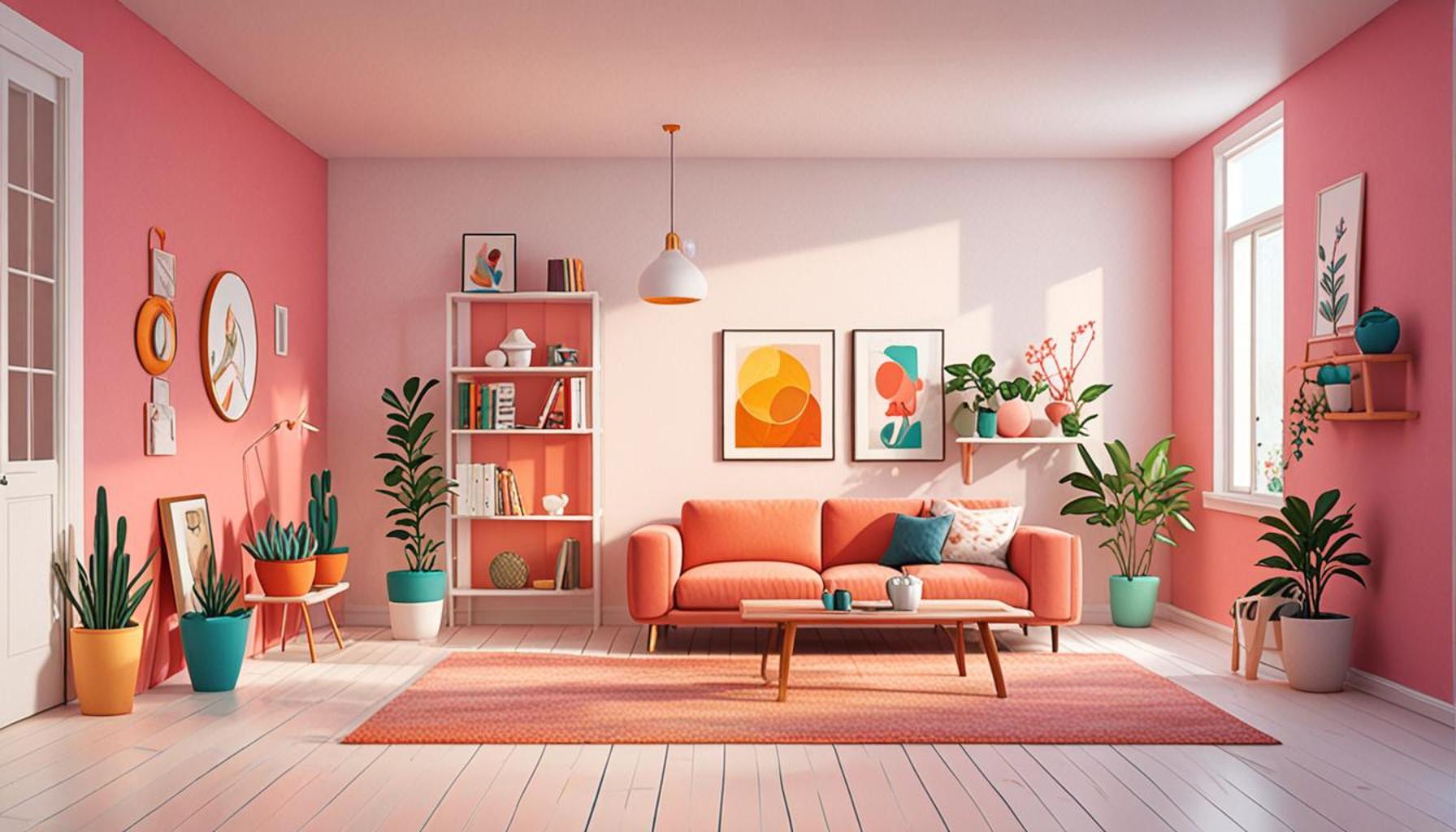
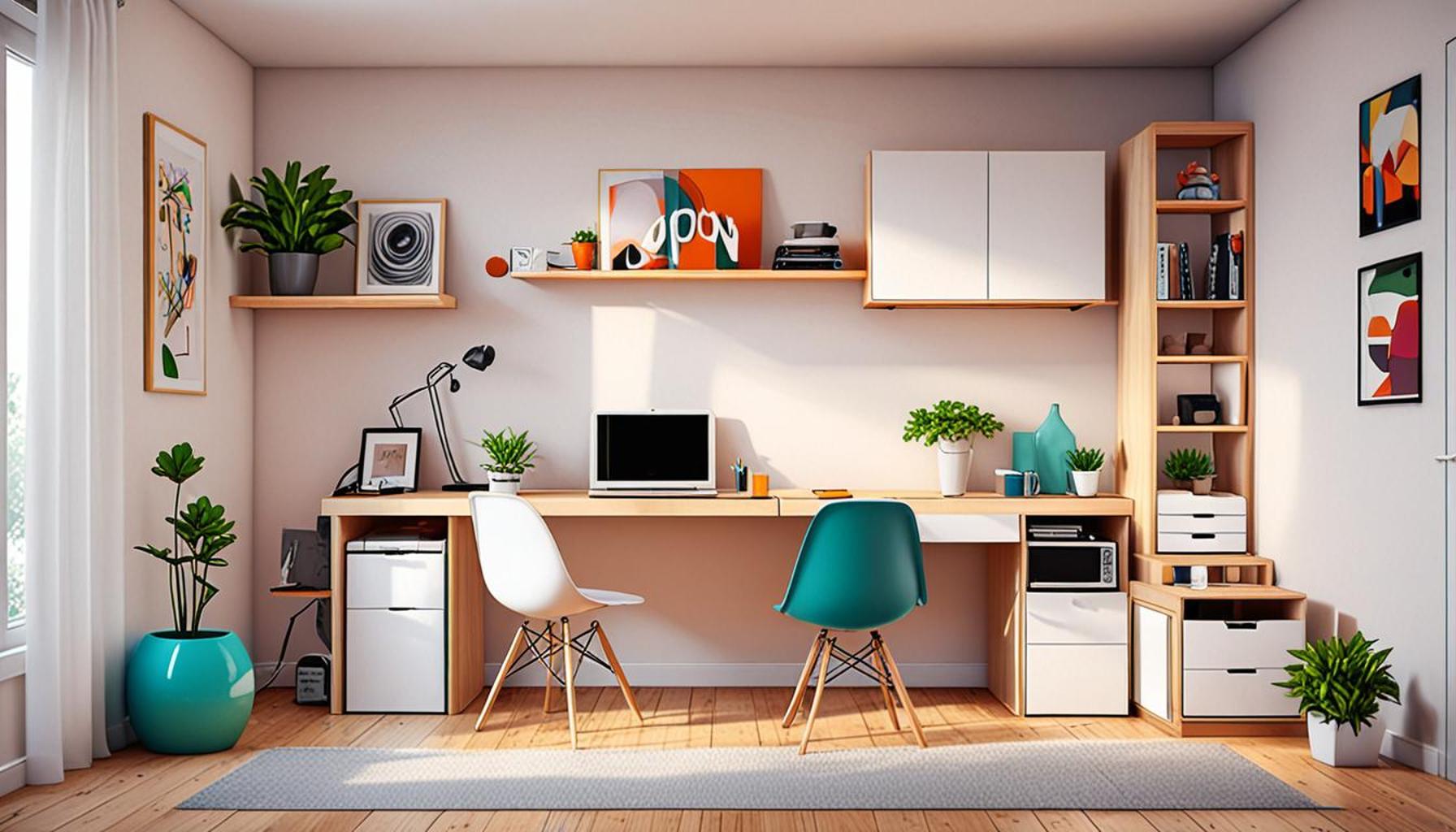
Simplified Spaces for Children: Creating Environments that Stimulate Creativity
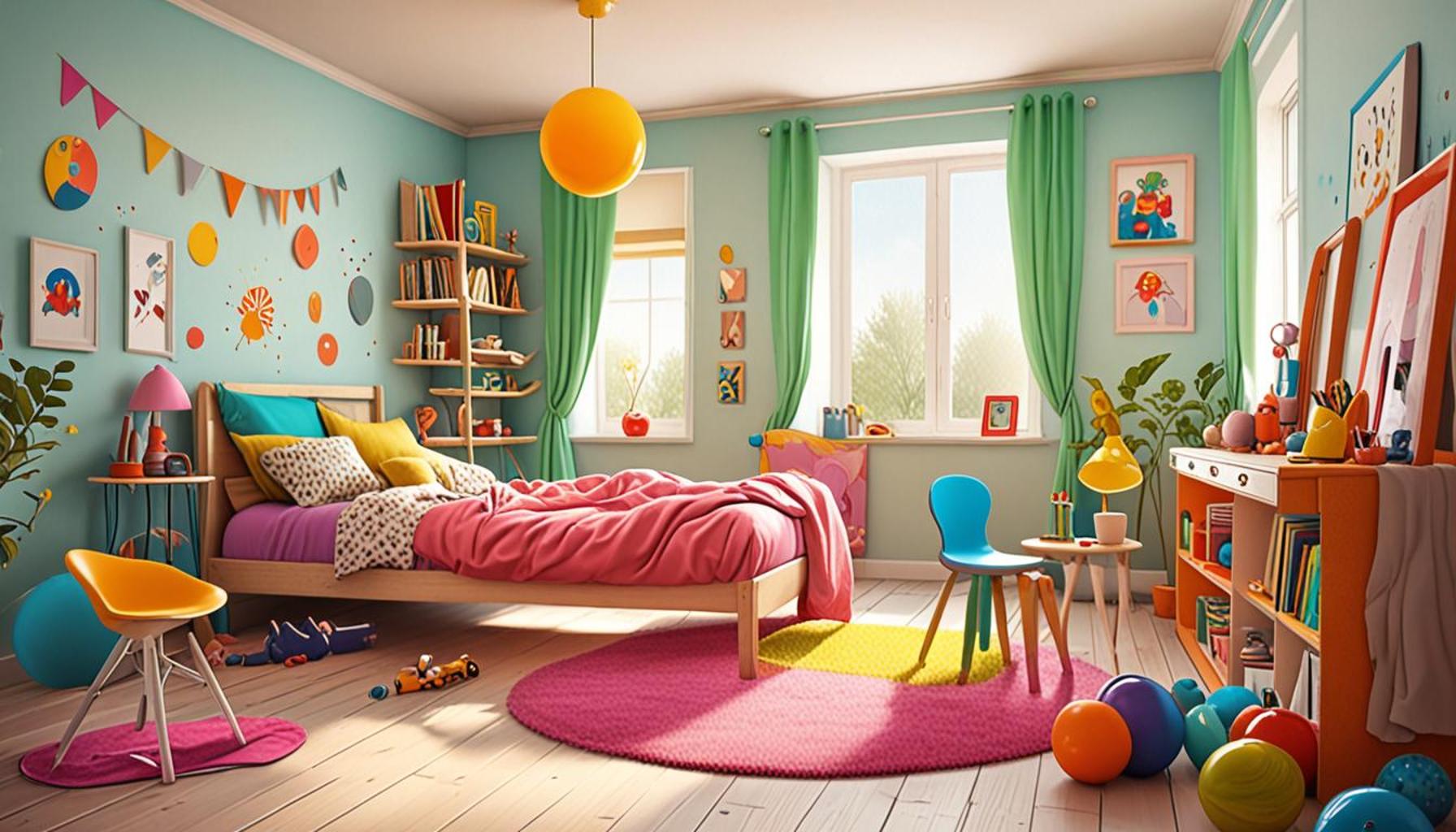
Creating Inspiring Environments for Kids
In today’s fast-paced world, children need spaces that not only engage their senses but also foster their imagination. Parents, educators, and community members in Nigeria can play a crucial role by designing areas that encourage creativity and learning. Simplified spaces can make a significant difference in children’s overall development and creativity. This is particularly vital as children navigate their formative years, where playing and learning simultaneously set the foundation for their future.
Why Simplified Spaces Matter
Creating an environment where children can thrive requires a deep understanding of their needs. Here are a few core benefits:
- Enhanced Focus: Simplified spaces help reduce distractions, allowing children to concentrate better. In a clutter-free zone, children are more likely to engage with tasks meaningfully, be it reading a book or trying their hand at a science project.
- Fostering Imagination: Open environments provide children the freedom to explore their creativity without restrictions. For instance, a child might turn a cardboard box into a spaceship or a puppet stage, showcasing how a bare space can ignite imaginative play.
- Safety and Comfort: A well-organized space minimizes chaos, making children feel secure and at ease. When children feel safe, they are more inclined to express their thoughts and ideas, thus bolstering their emotional well-being.
Elements of a Creative Space
To craft a space that sparks imagination, consider including:
- Natural Light: Sunlight can energize and uplift spirits. Implementing large windows or skylights in classrooms or play areas can improve mood and even aid in learning retention.
- Flexible Furniture: Movable chairs and tables encourage collaborative play and learning. In a classroom setting, furniture that can be reconfigured allows teachers to adapt their lessons according to the needs of their students, promoting interactive learning.
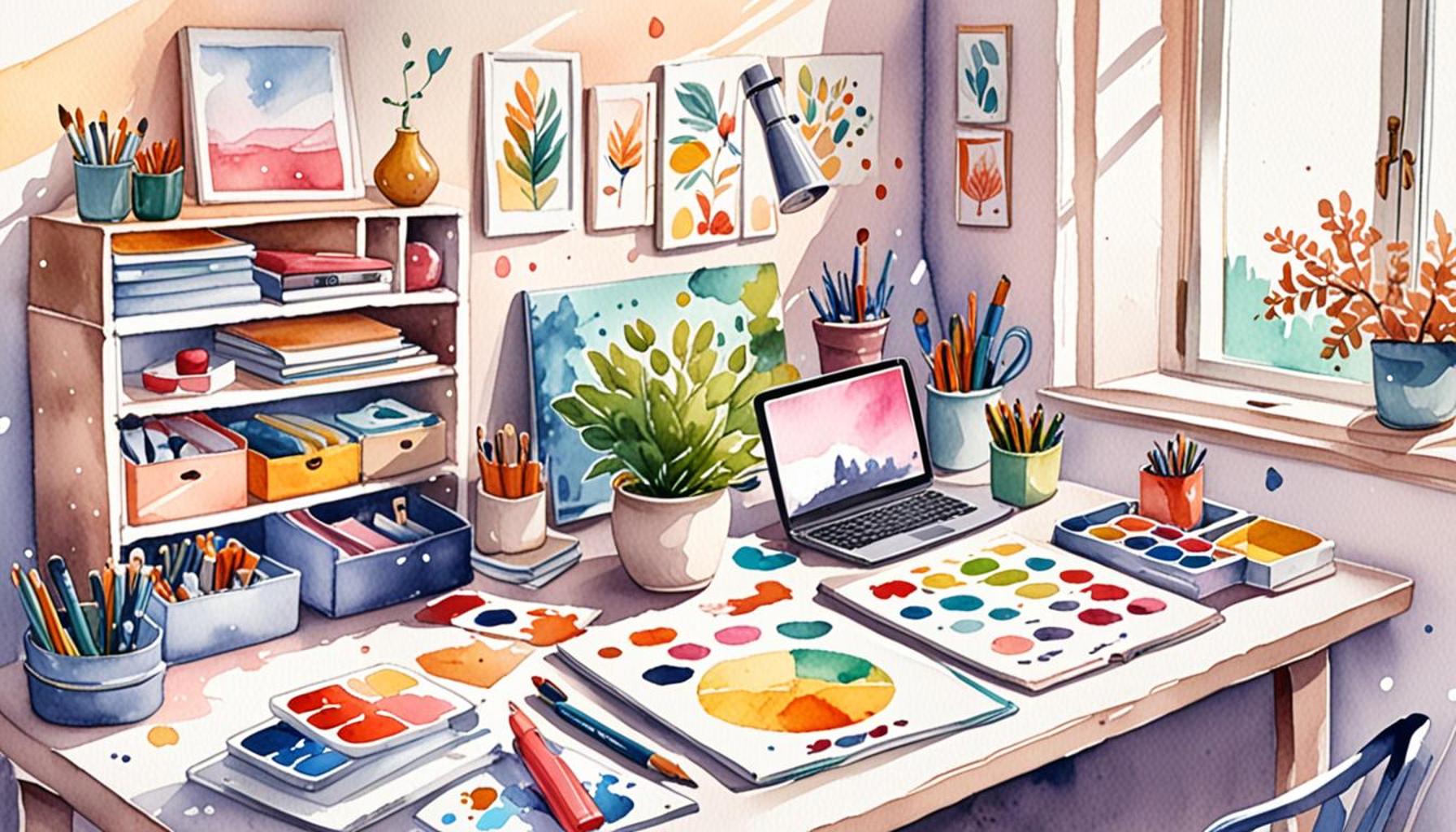
- Art Supply Stations: Designated areas stocked with materials promote artistic expression. Providing items such as crayons, fabrics, and recycled materials encourages children to create and explore their artistic sides, fostering both creativity and fine motor skills.
By focusing on these elements, we can create an atmosphere that is inviting, introspective, and ripe for astonishing new ideas. Paving the way for a generation of imaginative thinkers in Nigeria might also involve community initiatives such as public art projects or after-school workshops that transform unused spaces into creative hubs. These efforts cultivate creativity and also strengthen community ties, as children learn to collaborate and share resources.
Moreover, as Nigeria continues to evolve in various sectors, understanding the importance of inspiring environments for children can be a pivotal part of the conversation about education reform and societal development. By investing in simplified and engaging spaces, we not only nurture future leaders but also set the groundwork for innovation and artistic expression in the coming generations.
LEARN MORE: This related article may interest you
The Impact of Simplified Spaces on Creativity
When we consider the development of children, it’s crucial to recognize that the environments they inhabit play a vital role in shaping their cognitive and emotional growth. In Nigeria, where urbanization is rapidly changing the landscape, designing simplified spaces that promote creativity is not just a luxury but a necessity. These spaces create opportunities for children to explore their interests and engage with their surroundings in meaningful ways.
Creating Interactive Learning Zones
One of the primary elements of creating a stimulating environment for children is the establishment of interactive learning zones. These areas can encompass both indoor and outdoor settings, allowing children to transition seamlessly between different types of learning experiences. Key features include:
- Outdoor Playgrounds: Outdoor spaces filled with natural elements—such as trees, rocks, and plants—provide children with opportunities for unstructured play. These natural settings encourage exploration, imagination, and physical activity, which are all crucial for developing problem-solving skills.
- Creative Corners: Designating a corner in a classroom or home for creative activities can be transformative. This space can be stocked with materials like paint, clay, and building blocks that inspire children to create freely. Incorporating local crafts, such as traditional Nigerian bead-making or pottery, can also connect them to their cultural heritage.
- Learning Hubs: Setting up various learning hubs that focus on different subjects—be it science, art, or literature—provides children with resources and flexibility to choose their areas of interest. These hubs enrich the learning experience and cater to diverse learning styles.
The integration of these aspects creates a dynamic learning environment that promotes engagement and collaboration among children. Collaborative learning experiences help foster communication skills, empathy, and teamwork, which are vital life skills.
Encouraging Social Interaction
A simplified space not only caters to an individual’s imaginative capabilities but also enhances social interaction among children. For instance, environments that encourage group activities and collaborative projects enable children to learn from one another. In communities across Nigeria, organizing small workshops where children can work together on art or science projects not only nurtures creativity but also strengthens social bonds.
As parents and educators become more aware of these possibilities, they can take proactive steps to advocate for simplified spaces in their communities. By working together, they can establish initiatives that promote creative development and ensure that children’s spaces are designed with purpose and thoughtfulness.
Ultimately, transforming our perceptions of children’s spaces into nurturing environments can lead to remarkable changes in their creative capabilities and the overall community spirit. This journey might take time, but the rewards of fostering a generation of imaginative thinkers in Nigeria are undoubtedly worth the effort.
| Advantages | Key Features |
|---|---|
| Enhanced Imagination | Children in simplified spaces are more likely to engage in imaginative play, allowing creativity to flourish. |
| Less Distraction | A decluttered environment minimizes distractions, enabling better focus and personal expression. |
| Encouragement of Exploration | Simple designs invite children to explore their surroundings, giving them the freedom to learn through discovery. |
| Fostering Communication | Open spaces promote interaction among children, enhancing their social skills and teamwork. |
Creating environments that are devoid of excessive ornamentation can significantly enhance children’s experiences, fueling their creativity in ways that might not be apparent initially. Consider how these aspects aid in the development and growth of young minds. By setting the scene with fewer distractions, caregivers and educators can provide children with the necessary tools to become more inventive thinkers. Simplified spaces not only declutter their physical environment but also allow the mental space for innovation and collaboration. This can open avenues for deeper learning, where children can easily pivot from one activity to another, keeping the gears of exploration constantly in motion. In essence, adopting a simplified approach can transform ordinary spaces into extraordinary realms of potential and creativity. By creating areas conducive to imaginative play, we lay the groundwork for future innovative leaders.
CHECK OUT: Click here to explore more
Design Principles for Simplified Spaces
Creating an effective simplified space for children involves understanding various design principles that cater not only to aesthetics but also to functionality. These principles help enhance children’s creativity and support their learning in a comprehensive manner, especially in a culturally rich and diverse environment like Nigeria.
Flexibility and Adaptability
A crucial aspect of designing simplified spaces is the principle of flexibility and adaptability. Children thrive in environments that can be easily modified to accommodate different activities. For example, a classroom can feature movable furniture which allows for group seating arrangements, promoting collaboration and discussion. Additionally, the use of multi-functional spaces where a room can switch from a quiet reading nook to a crafting area with minimal effort encourages children to engage with various activities. This approach not only maximizes the use of space but also fosters creativity as children feel empowered to create settings conducive to their current interests.
Incorporating Natural Elements
Another compelling design principle is the incorporation of natural elements into children’s spaces. Studies have shown that exposure to nature can significantly enhance creativity and reduce stress. In Nigeria, utilizing local materials such as bamboo, reclaimed wood, and clay can transform learning spaces into vibrant, earthy environments. Moreover, integrating indoor plants and natural light helps in creating sensory-rich surroundings that can boost focus and inspiration. Schools can create gardens where children can participate in gardening activities, thus learning about patience, nurturing, and sustainability while being rooted in their local context.
Cultural Representation in Design
For an environment that stimulates creativity, it’s vital to include cultural representation within the design. Spaces that reflect local traditions, art, and customs not only forge a connection to children’s identity but also spark creativity through familiarity and inspiration. Incorporating murals of Nigerian landscapes, tribal patterns on furniture, or showcasing artifacts from different ethnic groups can enhance children’s engagement with their culture while promoting an understanding of diversity. Facilitating workshops that focus on local crafts, music, or storytelling can likewise enable children to explore creativity while honoring their heritage.
Sensory-Rich Environments
Sensory-rich environments are fundamental in stimulating children’s creativity and overall development. By utilizing textures, varied materials, colors, and sounds, educators can create an immersive learning experience. For instance, using colorful rugs and cushions can create inviting reading areas, while interactive sound panels can make the learning experience exciting and dynamic. This approach recognizes and caters to multiple learning styles, fostering environments where children can engage actively and express themselves in diverse ways.
Furthermore, incorporating elements like sensory bins filled with different materials, such as sand, small pebbles, and leaves enables children to explore their senses, encouraging tactile interaction that is essential for creative thinking.
Implementing these design principles can significantly uplift children’s experiences in simplified spaces. As communities increasingly prioritize these environments, the potential for supporting creativity and growth in children becomes a shared journey, leading to flourishing minds that contribute to society in myriad ways.
SEE ALSO: Click here to read another article
Conclusion
In conclusion, the creation of simplified spaces for children is not merely an aesthetic choice; it is a vital strategy for fostering creativity and healthy development. By embracing principles such as flexibility, natural integration, cultural representation, and sensory-rich environments, community leaders, educators, and parents can construct spaces that are not only functional but also captivating and inspiring for children. These environments encourage children to explore, collaborate, and engage with their world in unique ways, ultimately enhancing their ability to think creatively and critically.
In Nigeria, where cultural diversity is vast and dynamic, the importance of reflecting local traditions and values within these spaces cannot be overstated. Such designs not only nurture a sense of identity but also stimulate curiosity about the surrounding world, laying a foundation for the next generation of innovators and leaders. As we continue to reshape the environments that our children inhabit, we open the door to endless possibilities and breakthroughs in their cognitive and emotional capabilities.
As stakeholders embrace and invest in the concept of simplified spaces, the potential benefits extend far beyond individual experiences. There is an opportunity to create a ripple effect that strengthens communities through creative collaboration and cultural exchange. It is time for us to commit to these principles and prioritize the well-being of our children as they embark on the journey of exploration, imagination, and growth. By doing so, we will not only cultivate vibrant minds but also contribute positively to society as a whole, reflecting the essence of our rich cultural heritage while forging pathways for future achievements.

Beatriz
Beatriz Johnson is a seasoned minimalist and writer with a passion for simplifying the complexities of personal organization and decluttering. With over a decade of experience in the field, she specializes in topics like minimalist living, efficient organization strategies, and creating intentional spaces. Through her work, Beatriz empowers readers to make mindful decisions about their belongings, streamline their lives, and embrace a more organized and fulfilling lifestyle.