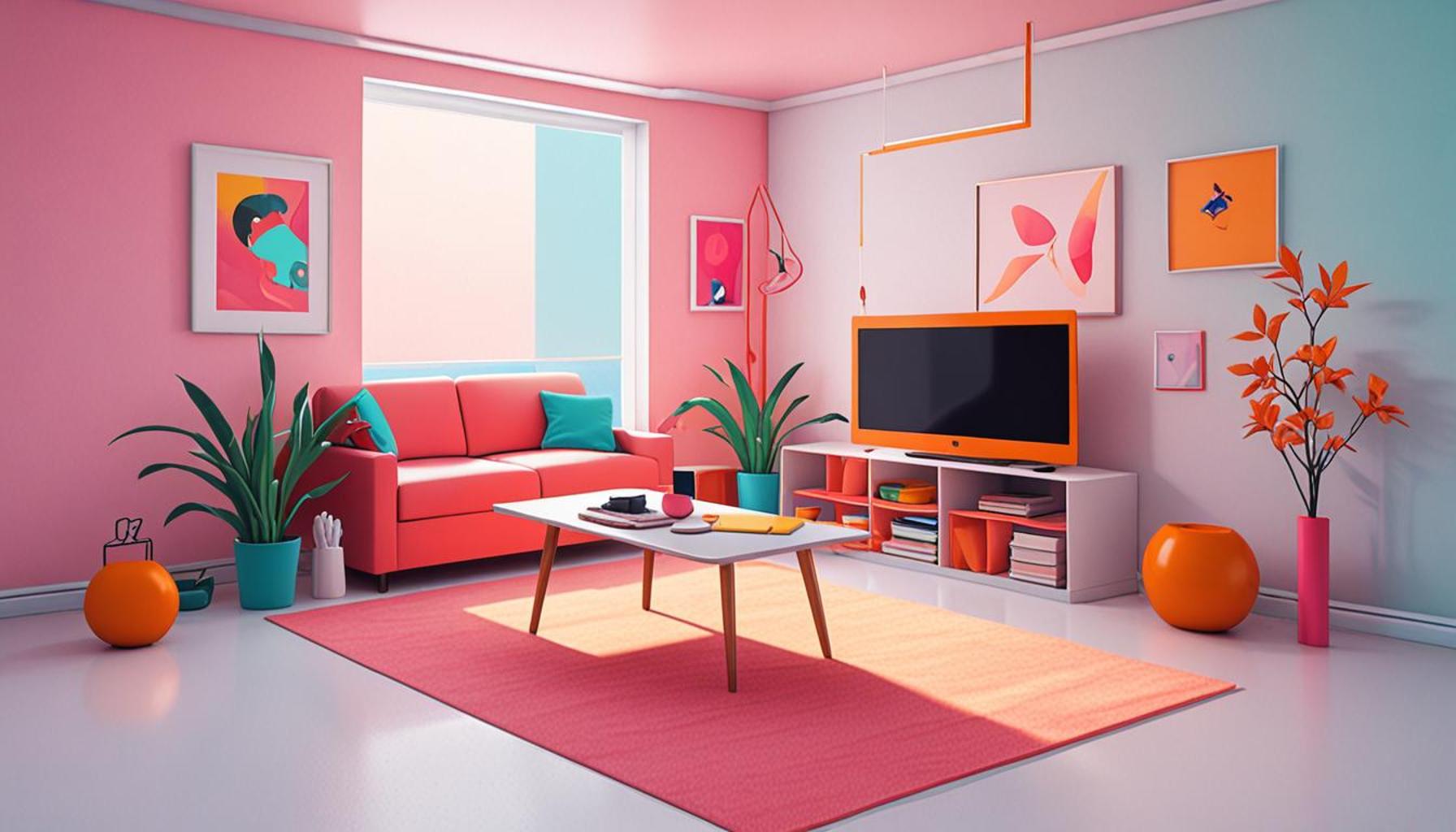
Minimalist Workspaces: Optimizing Productivity in Compact Environments
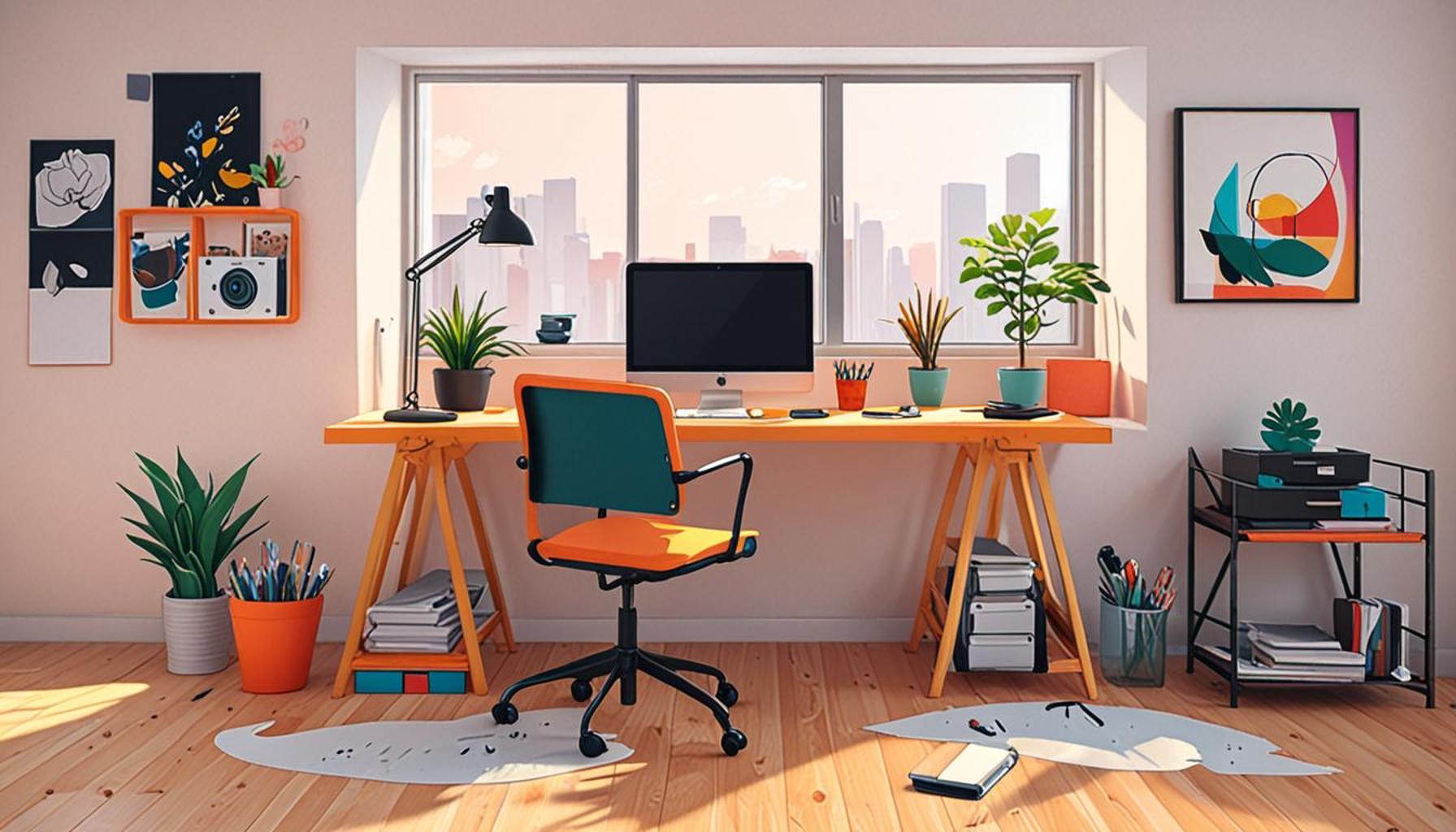
Creating Space for Productivity
In the fast-paced world of today, the concept of minimalist workspaces has gained remarkable traction, especially in urban areas like Lagos and Abuja. With the rise of remote work, many individuals find themselves confined to compact environments. This has led to a challenge: how to optimize productivity in these limited spaces.
Minimalism is not just a design aesthetic; it is a lifestyle choice that can profoundly impact work efficiency. The transition to smaller living and working spaces in Nigerian cities highlights the importance of minimalist principles that can create an environment conducive to productivity. For instance, a common challenge faced by remote workers in Lagos is the frequent noise and distractions from bustling street life. Adopting a minimalist workspace can help filter out these distractions, allowing individuals to focus better on their tasks.
Some key benefits of minimalist workspaces include:
- Reduced distractions: A clutter-free environment fosters focus. The absence of excess items reduces the temptation to engage in distracting activities, allowing for deeper concentration.
- Increased organization: Simplified layouts make it easier to locate essentials. By maintaining only what is necessary, workers can swiftly access their tools and materials, saving time and reducing stress.
- Enhanced creativity: Less visual noise stimulates innovative thinking. A clean, uncluttered workspace promotes mental clarity and opens up pathways for creative problem-solving, essential in today’s fast-evolving job market.
As more Nigerians adapt to working in smaller settings, it’s essential to recognize how a minimalist approach can transcend mere appearance. Practical solutions can elevate your workspace, such as:
- Multi-functional furniture: Choose pieces that serve dual purposes. For example, a desk that doubles as a storage unit can maximize function without sacrificing space.
- Smart storage solutions: Utilize vertical space with shelves. In cities where floor space is limited, hanging shelves or wall organizers can effectively free up invaluable desk space.
- Effective color schemes: Use calming hues to promote tranquility and focus. Soft blues or greens can make a workspace feel more open and inviting, enhancing overall productivity.
Discovering the perfect balance in a minimalist workspace can significantly boost productivity, making room for both efficiency and inspiration. The Nigerian entrepreneurial landscape, characterized by its dynamism and creativity, can greatly benefit from such adjustments. Moreover, these enhancements can be implemented gradually, allowing individuals to transform their work environments into stress-free zones conducive to achieving goals.
As we delve deeper into this topic, you’ll learn how to adopt these strategies in your own environment, thereby creating a workspace that not only looks great but also performs optimally. Through thoughtful adjustments and an embrace of minimalism, the potential for increased productivity is at your fingertips.
RECOMMENDED: Check out this similar article
Maximizing Functionality in Small Spaces
In the heart of bustling Nigerian cities, where space is often at a premium, creating a minimalist workspace can be the key to unlocking greater productivity. With many people transitioning to remote work, the challenge of optimizing small environments is more relevant than ever. In compact settings, every inch counts, making it essential to apply minimalist principles to declutter not just the physical space but also the mind.
Understanding how to leverage limited space effectively can transform the way we work. A minimalist approach promotes prioritizing elements that add value while eliminating those that do not contribute to productivity. Consider the desk setup as an example. A well-organized desk allows for fewer distractions and smoother workflow, which is critical given the external distractions present in Nigerian cities like Lagos, where the vibrant street life can often disrupt concentration.
Here are some actionable strategies to design your minimalist workspace for productivity:
- Establish a Defined Workspace: Clearly demarcate your work area, even if it’s just a corner of your living space. A defined physical boundary signals to your brain that it is time to focus.
- Limit Your Desk Essentials: Only keep essential tools like a computer, notebook, and pens on your desk. Decluttering your immediate space can significantly improve your ability to concentrate.
- Digital Declutter: Just as your physical workspace needs to be minimal, so does your digital landscape. Organize files and delete unnecessary documents to reduce mental clutter.
- Implement a Routine: Establishing a consistent daily schedule within your minimalist workspace can help reinforce discipline and structure, allowing for improved focus and efficiency.
The integration of these strategies can greatly enhance the functionality of your workspace, making small areas feel larger and more productive. By adopting a minimalist mindset, individuals can not only foster a more serene working environment but also create a space tailored to their specific needs. This reflects a growing trend among Nigerian professionals who are no longer bound by traditional office settings, but instead, are empowered to design their own spaces for maximum productivity.
Moreover, the rise of co-working spaces across Nigeria reflects the success of minimalist principles in practice—providing flexible, well-designed environments that prioritize productivity. These spaces often feature open layouts, shared resources, and streamlined decor aimed at reducing distractions, thereby serving as a microcosm of the minimalist approach.
As we explore further into the nuances of minimalist workspaces, we will discover how adopting this approach can lead to both personal and professional growth. Understanding the relationship between your environment and productivity is crucial, especially as today’s work culture increasingly demands adaptability and efficiency.
| Advantages | Key Features |
|---|---|
| Enhanced Focus | A minimalist workspace reduces visual distractions, promoting concentration and enhancing productivity. |
| Space Optimization | Compact setups utilize available space effectively, making it easier for individuals to arrange essential tools for their tasks. |
In the realm of minimalist workspaces, the concept of simplified environments fosters an atmosphere that is conducive to productivity. One of the significant advantages of such settings is the promotion of enhanced focus. By eliminating unnecessary clutter and distractions, individuals can channel their energy into the tasks at hand, leading to heightened efficiency. This focus is crucial in today’s fast-paced work culture, where multi-tasking can often hinder output.Additionally, the principle of space optimization is paramount in compact environments. Careful arrangement of essential tools not only maximizes functionality but also ensures that every item serves a purpose. Ergonomics plays a vital role here, as achieving the right layout can contribute significantly to overall work satisfaction and output. As more people move towards remote work or minimalistic choices, these benefits reshape how we view traditional workspace designs, encouraging a shift towards more intentional, streamlined environments.
ADDITIONAL INSIGHTS: Expand your understanding here
Incorporating Comfort and Style into Minimalism
While the essence of a minimalist workspace lies in simplicity, it is equally important to incorporate elements of comfort and style. The notion of minimalism often conjures up images of stark, cold environments devoid of personality. However, a minimalist workspace can still be inviting and personalized without being cluttered. In urban settings across Nigeria, where high temperatures can affect concentration, integrating comfort becomes crucial for prolonged productivity.
One effective way to do this is by selecting ergonomic furniture. Investing in a high-quality chair that offers support is essential, especially for those spending long hours working remotely. This not only enhances physical comfort, but also supports focus and efficiency. Additionally, consider a desk height that allows for a natural posture, thereby avoiding ergonomic strain.
Beyond furniture, incorporating elements of personal style can transform a workspace. Consider the following:
- Add Personal Touches: Displaying a few personal items such as framed photographs or artistic pieces can inspire creativity without taking away from the minimalist aesthetic. A well-placed potted plant can also introduce a touch of nature, improving air quality and providing a mental break.
- Use a Cohesive Color Scheme: Choose a color palette that speaks to you and promotes calmness, such as soft earth tones or muted blues. A cohesive color scheme can unify the space visually, making it more enjoyable to work in.
- Optimize Lighting: Good lighting is paramount in any workspace. Utilize natural light where possible, as it not only illuminates the area efficiently but also improves mood. When artificial lighting is necessary, opt for soft white bulbs that create a warm atmosphere.
Balancing minimalism with comfort can lead to a workspace that feels less like an office and more like an inspiring sanctuary. For many Nigerian professionals, enhancing the workspace with elements that resonate personally can provide the motivation needed to tackle daily tasks, especially in a culture where the dynamics of work are evolving rapidly.
The Impact of Technology on Minimalist Workspaces
In today’s digital world, the role of technology in crafting a minimalist workspace cannot be overstated. The emergence of smart devices and applications tailored for productivity can significantly reduce the number of physical items needed in your workspace. For instance, cloud storage options like Google Drive or Dropbox can minimize paper clutter, while task management apps such as Trello or Asana streamline workflow and keep you organized without necessitating a plethora of sticky notes or physical planners.
Moreover, the integration of multifunctional devices—including printers that also scan and copy—can help minimize the number of appliances in the workspace, thereby reinforcing the minimalist philosophy. This is particularly relevant in Nigeria, where many work-from-home individuals are learning to adapt to smaller living spaces that require efficient use of resources.
As remote work continues to be a viable option, understanding how technology intersects with minimalist design offers new avenues for enhancing productivity. Finding the right combination of tech tools can produce a workspace that feels not only organized, but also seamlessly integrated into daily routines.
Ultimately, the success of a minimalist workspace rests on striking a balance between functionality, comfort, and technology, creating environments in which both creativity and focus can flourish, despite the constraints of limited space.
LEARN MORE: This related article may interest you
Conclusion: Embracing Minimalism for Maximum Impact
As the work landscape continues to evolve, particularly in urban Nigeria, minimalist workspaces present a compelling solution to maximize productivity within compact environments. By focusing on a design that encourages simplicity, functionality, and comfort, professionals can create an atmosphere that not only fosters efficiency but also enhances creativity.
Through the thoughtful selection of ergonomic furniture, the integration of personal touches, and the strategic use of color and lighting, individuals can transform a stark workspace into a nurturing haven. Furthermore, the role of technology cannot be underestimated; embracing tools that streamline processes and reduce physical clutter is crucial for maintaining an organized and functional workspace.
It’s essential to understand that minimalism does not equate to deprivation or lack of personality. Instead, it encourages a deliberate approach to work-life balance, paving the way for greater satisfaction and performance in daily tasks. As we adapt to smaller living spaces and more flexible work structures, optimizing productivity through a well-curated minimalist workspace may well be the key to thriving in an increasingly competitive environment.
In summary, the synergy of minimalist design principles with modern technology creates not just a workspace, but a lifestyle conducive to success—a powerful invitation for Nigerian professionals to explore new strategies for enhancing their working lives while enjoying the benefits of a decluttered, focused, and stylish environment.

Beatriz
Beatriz Johnson is a seasoned minimalist and writer with a passion for simplifying the complexities of personal organization and decluttering. With over a decade of experience in the field, she specializes in topics like minimalist living, efficient organization strategies, and creating intentional spaces. Through her work, Beatriz empowers readers to make mindful decisions about their belongings, streamline their lives, and embrace a more organized and fulfilling lifestyle.