Creative Organization: Transforming Detachment into DIY Projects and Crafts
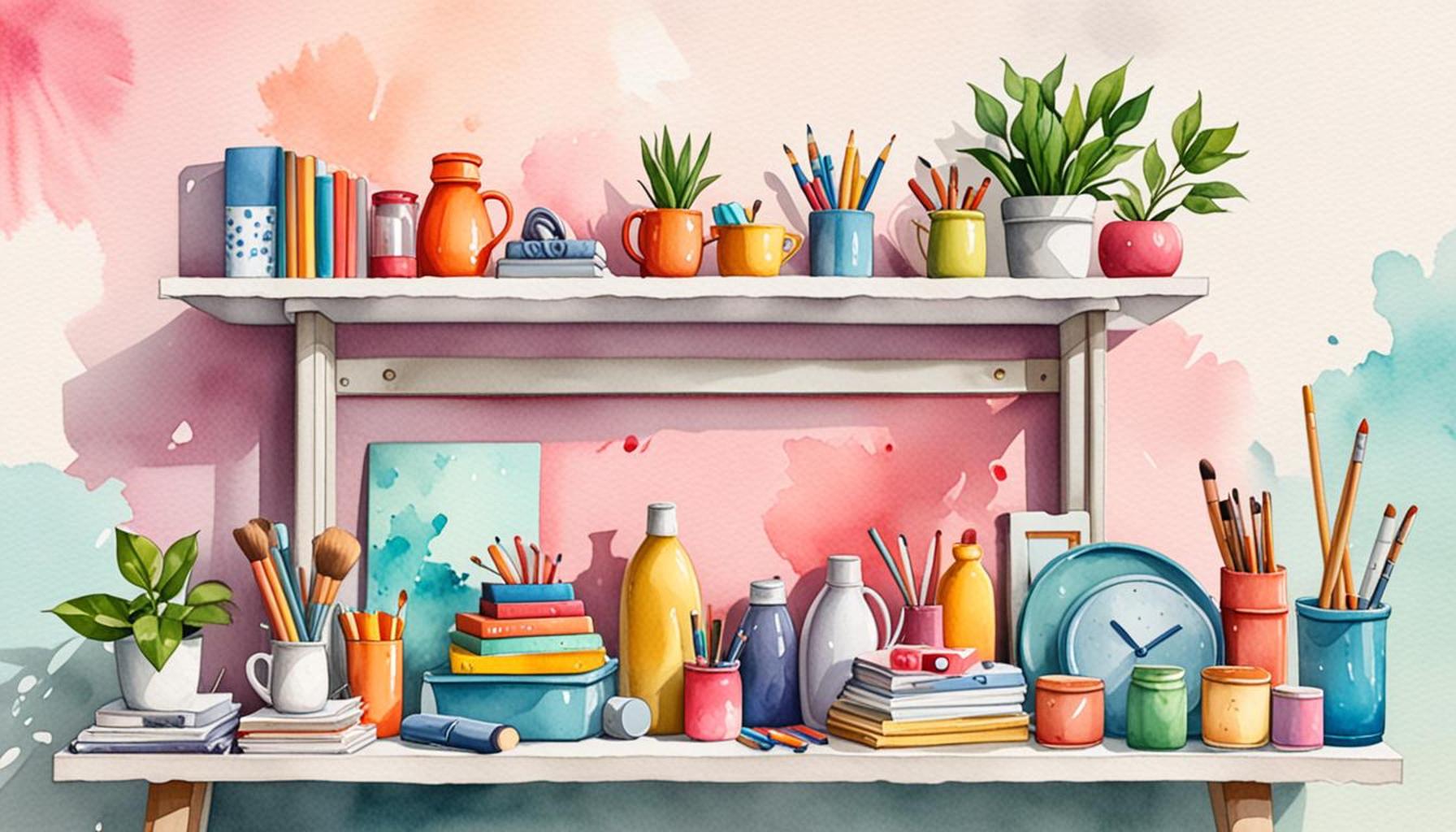
Have you ever looked around your space and felt overwhelmed by clutter? It’s common to experience detachment when our surroundings become chaotic. However, there’s a solution that shifts the focus from disarray to creativity. By embracing organization as a stepping stone, one can unleash a wave of creativity that transforms mundane items into extraordinary art.
Transforming a disorganized environment into stunning DIY projects and crafts not only sparks joy but also brings a sense of accomplishment. The satisfaction derived from conceptualizing a project and executing it can foster a deeper connection to one’s surroundings. Here are some ideas to kickstart your journey and reimagine what you can do with what you have:
- Upcycling Materials: Rather than discarding old containers, consider turning them into vibrant planters. For instance, you can use tin cans, glass jars, or old shoe boxes, painting and decorating them to create a beautiful display. This not only promotes sustainability but also adds greenery to your space, enhancing air quality and boosting your mood.
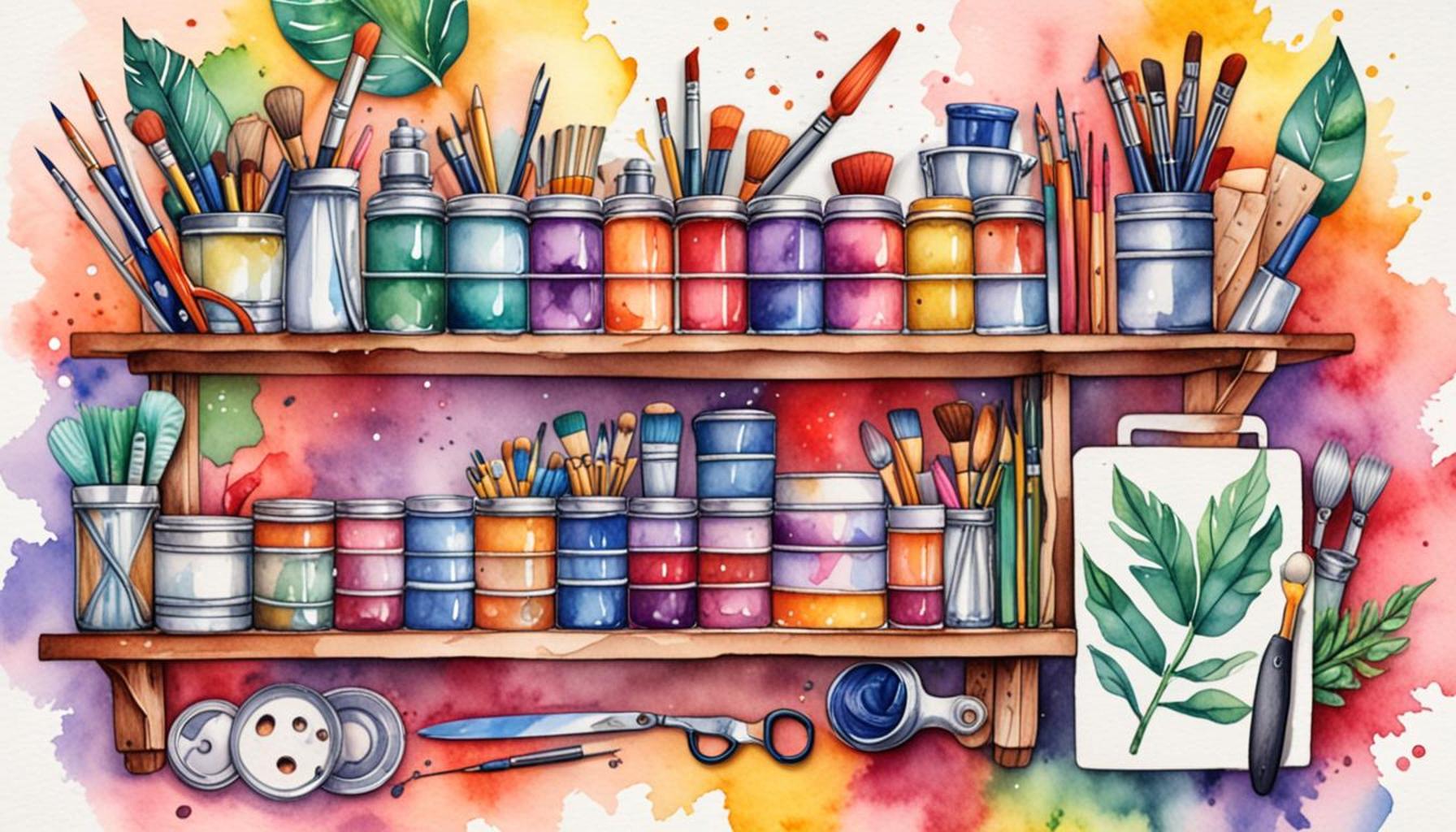
- Organizing Supplies: Crafting can generate a significant amount of materials that, if left unorganized, contribute to clutter. Utilize decorative boxes or even fabric scraps to sort supplies by category. For instance, grouping paint brushes, cutting tools, and paper types can streamline your creative process, allowing for easier access and encouraging spontaneous crafting sessions.
- Creating Wall Art: Rather than purchasing expensive art, consider assembling scrap materials into unique wall pieces. By using leftover fabric, cardboard, or even broken tiles, you can produce striking mosaics or collages that tell your story. Each piece becomes not just a decoration, but a testament to your creativity and resourcefulness.
This creative organization approach resonates deeply within the Nigerian context, where resourcefulness is often a way of life. In many local communities, traditional crafts involve repurposing materials. For example, colorful kente cloth leftovers might be used not only in clothing but also as accent pieces in home decor. Farmers can turn old crates into stylish furniture, reflecting both cultural significance and modern aesthetics.
Embracing this transformation can lead to a streamlined space and invigorated creativity. By taking small steps, such as dedicating time each week to declutter or setting up a designated crafting area, you can create an environment conducive to both productivity and innovation. Dive into the world of DIY and discover how to turn detachment into beautiful expressions of art that resonate with your identity and community.
LEARN MORE: This related article may interest you
Embracing the Power of Upcycling
In an age where sustainability is becoming increasingly vital, the concept of upcycling has gained popularity in Nigeria and around the world. This practice not only aids in reducing waste but also allows individuals to harness their creativity by repurposing everyday objects. Instead of tossing away discarded items, ask yourself: How can I transform this into something beautiful and functional? Upcycling fosters ingenuity and can be a fun family activity, encouraging both young and old to express themselves artistically.
- Transforming Trash into Treasure: Items such as plastic bottles can become brilliant bird feeders, while old shirts can be reimagined as reusable shopping bags. These projects are not only environmentally friendly, but they also tap into local craftsmanship, fusing traditional methods with modern creativity.
- Encouraging Community Collaboration: Organizing community workshops focused on upcycling can unite neighborhoods. Sharing skills to create art from leftover materials encourages a sense of belonging and pride in communal resources. As in many Nigerian traditions, gathering to create is not just about the products but building relationships.
- Crafting with Cultural Relevance: Upcycling can also be infused with cultural significance. An example is the transformation of old tire scraps into stunning garden furniture, reflecting both practicality and innovation. Such crafts can narrate stories of heritage, connecting artisans and their communities.
Organizational Strategies for Creative Spaces
A well-organized creative space is essential to maximizing your artistic potential. When materials are stored neatly, the mind is free to explore new ideas. Consider the following organizational strategies to transform your clutter into a source of inspiration:
- Functional Storage Solutions: Use transparent containers to hold various supplies, allowing you to see what’s inside at a glance. Labels can help identify materials quickly, reducing the time spent searching for items.
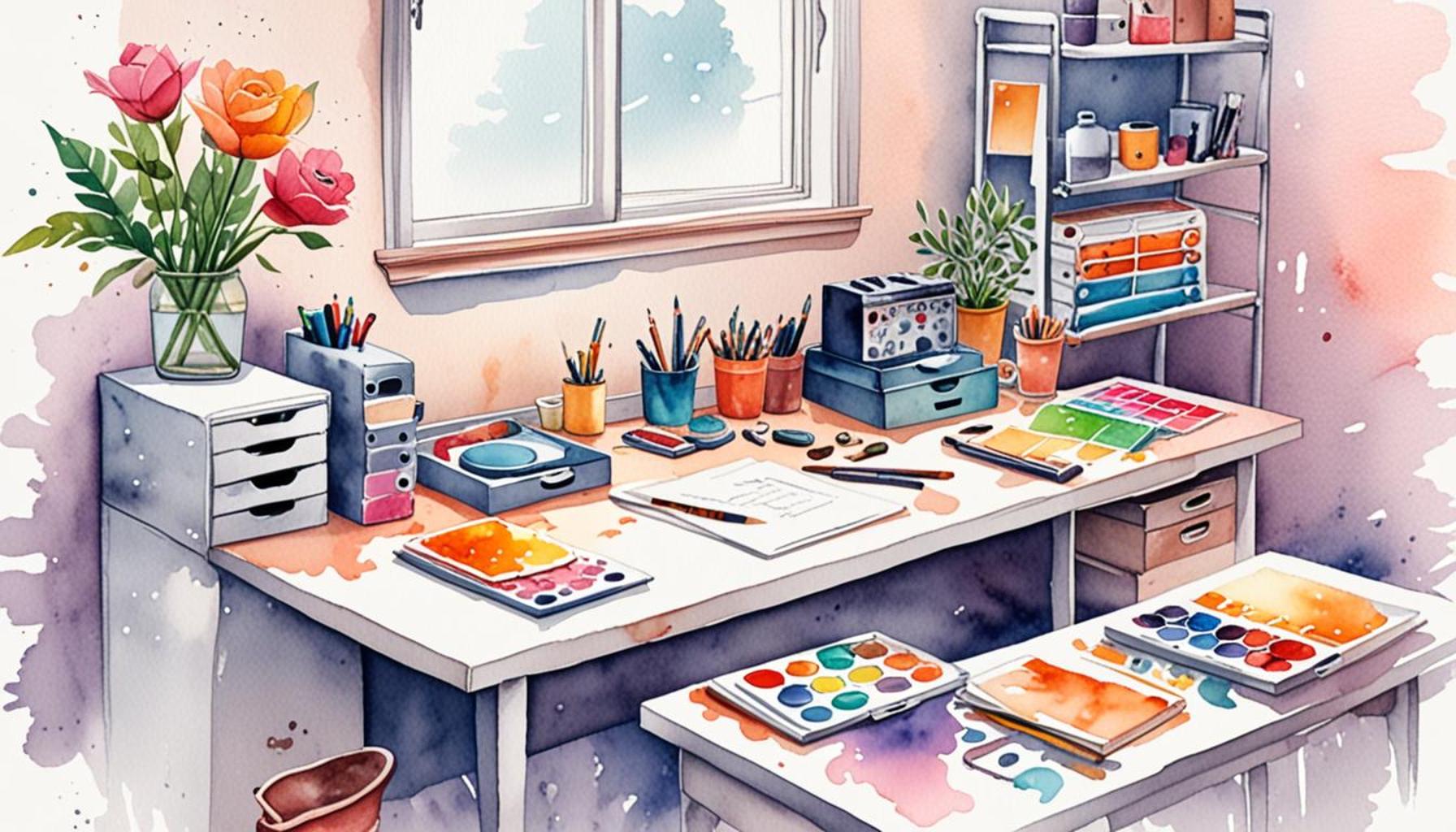
- Creating a Dedicated Craft Corner: Designate a specific area in your home for crafting activities. This should be a space where creativity can flourish, free from distractions. It can be as simple as a small table with essential tools at hand.
- Utilizing Vertical Space: Employ wall-mounted shelves or pegboards to keep supplies off surfaces. This not only clears up visual space but also adds an artistic touch, as you can curate an inspiring display of your favorite tools and materials.
The goal of these organizational strategies is not merely aesthetic; they serve to enhance your crafting experience, making it more enjoyable and less stressful. When everything is in its place, you’re more likely to engage in spontaneous creativity, transforming mundane materials into artistic expressions. Thus, enabling a harmonious balance between detachment and DIY creativity.
Creating Art that Reflects Your Identity
In Nigeria, art is deeply intertwined with identity and community. Using DIY projects as a medium, individuals can express their cultural narratives while reclaiming their spaces. Whether you are weaving local motifs into fabric art or incorporating traditional symbols into your crafts, you are not just creating; you are telling a story that resonates with your heritage. In times like these, when detachment grows from chaotic environments, let creativity be the bridge that connects you back to your roots and personal identity.
| Category | Details |
|---|---|
| Sustainability | DIY projects promote sustainable practices by repurposing materials that might otherwise go to waste. |
| Creativity | Engaging in crafts encourages individuals to express their creativity while simultaneously providing a sense of accomplishment. |
| Community | Organizing local events for sharing DIY skills fosters a sense of community and collaboration. |
| Skill Development | Participating in craft projects helps to develop various skills, including problem-solving and resourcefulness. |
Creative organization through DIY projects and crafts not only transforms discarded items but also reshapes personal and communal engagement. Through these creative processes, individuals can explore various artistic avenues and promote more sustainable lifestyles. Taking the time to craft handmade items fosters a deeper connection to one’s immediate environment and encourages a shared sense of purpose. It’s an invitation to delve into a world where creativity meets practicality, and where every project tells a unique story. By engaging with DIY culture, individuals and communities alike can rejuvenate their spaces while crafting lasting memories. Invest time in these activities, and discover the potential hidden within detachment—there lies the foundation for countless innovative projects.
SEE ALSO: Click here to read another article
Connecting Through Collaborative Crafting
One of the most vivid aspects of the Nigerian culture is the strong community bonds that flourish through shared creativity. Engaging in collaborative DIY projects not only fortifies these connections but also turns the act of creation into a communal experience. The simple act of crafting together can enhance relationships while nurturing a shared identity.
- Community Craft Days: Organizing regular craft days within neighborhoods can foster friendships as participants gather to create. A weekend spent working on a community mural or crafting items for local festivals not only beautifies the surroundings but also enhances community spirit. These gatherings can be rich with stories, laughter, and the sharing of skills, bridging gaps between generations.
- Leveraging Local Talent: Collaborating with local artisans can add depth to DIY projects. Imagine learning how to weave or bead from someone whose skills have been passed down through generations. Not only does this provide individuals with the tools to expand their creative endeavors, but it also ensures that traditional techniques are preserved and honored. This blending of modern DIY aesthetics with local craftsmanship reclaims cultural narratives and celebrates heritage.
- Art for a Cause: Many community-based DIY projects can also serve a charitable purpose. Crafting items to sell for fundraisers, such as home decor made from repurposed materials, brings people together toward a common goal. This not only paves the way for creativity to flourish but also ensures that the act of creation has a positive impact on society.
The essence of collaborative crafting is not just about the finished product; it is about the connections formed during the process. When creativity is harnessed collectively, it invokes a sense of belonging and transforms detachment into a meaningful experience. Encouraging neighborhood participation in craft-oriented activities can revitalize local spaces and foster a culture of creativity.
Innovative Materials and Methods in DIY Crafts
The beauty of DIY projects lies in the flexibility to use innovative materials and methods. In Nigeria, this innovation is often intertwined with traditional crafts, creating unexpected combinations that push the boundaries of creativity.
- Natural Elements: With an abundance of natural resources, such as clay, colorful fabrics, and wood, the Nigerian landscape provides myriad crafting possibilities. Artists can experiment with clay pots adorned with locally-designed carvings or vivid tie-and-dye techniques on fabric, merging traditional aesthetics with modern flair.
- Digital Crafting: As technology advances, many are integrating digital tools into their DIY projects. Utilizing design software to sketch patterns or print unique fabric designs opens a realm of craftsmanship that was previously unimaginable. For instance, 3D printing can create intricate jewelry or decor while keeping the spirit of localized content alive.
- Eco-Friendly Practices: In line with global sustainability goals, many craft enthusiasts in Nigeria are adopting eco-friendly practices. This includes sourcing materials from local markets and reducing the carbon footprint by using what is readily available. Recycled newspapers, for instance, can be transformed into beautiful paper-mâché art, marrying creativity with environmental awareness.
By incorporating innovative materials and methods, individuals not only enhance their DIY projects but also align with broader environmental goals. This creative spirit reinforces the connection between personal expression and global responsibility, demonstrating that creativity can indeed be a powerful outlet in reclaiming one’s identity while fostering community engagement.
SEE ALSO: Click here to read another article
Conclusion: The Power of Creativity in Connection
In a world that often feels fragmented and detached, creative organization through DIY projects and crafts emerges as a vital force for connection and community building. By harnessing the spirit of collaboration, individuals can partake in shared experiences that transcend generational gaps and cultural divides. Initiatives such as community craft days not only nurture relationships but also celebrate Nigerian heritage and craftsmanship, uplifting local artisans and preserving traditional techniques.
The infusion of innovative materials and methods into DIY practices encourages a broader exploration of creativity. From natural elements that showcase the country’s rich resources to the integration of technology that redefines craft possibilities, the artistic landscape is constantly evolving. This versatility inspires individuals to reclaim their identities, reminding them that their unique expressions contribute significantly to the community narrative.
Importantly, the commitment to eco-friendly practices within DIY projects serves as a crucial reminder of our responsibility towards the environment. Engaging in crafts using sustainable materials not only minimizes waste but also fosters a culture of awareness and respect for the resources we possess.
Ultimately, the transformative power of creativity lies not solely in the crafting itself but in the bonds formed and the stories shared throughout the process. By fostering a vibrant culture of DIY projects, we can revitalize our neighborhoods, strengthen communal ties, and reclaim the joy of creativity as a collective journey—a true testament to humanity’s enduring spirit of togetherness.

Beatriz
Beatriz Johnson is a seasoned minimalist and writer with a passion for simplifying the complexities of personal organization and decluttering. With over a decade of experience in the field, she specializes in topics like minimalist living, efficient organization strategies, and creating intentional spaces. Through her work, Beatriz empowers readers to make mindful decisions about their belongings, streamline their lives, and embrace a more organized and fulfilling lifestyle.