The Rise of the Metaverse: New Frontiers for Social Interaction and Commerce
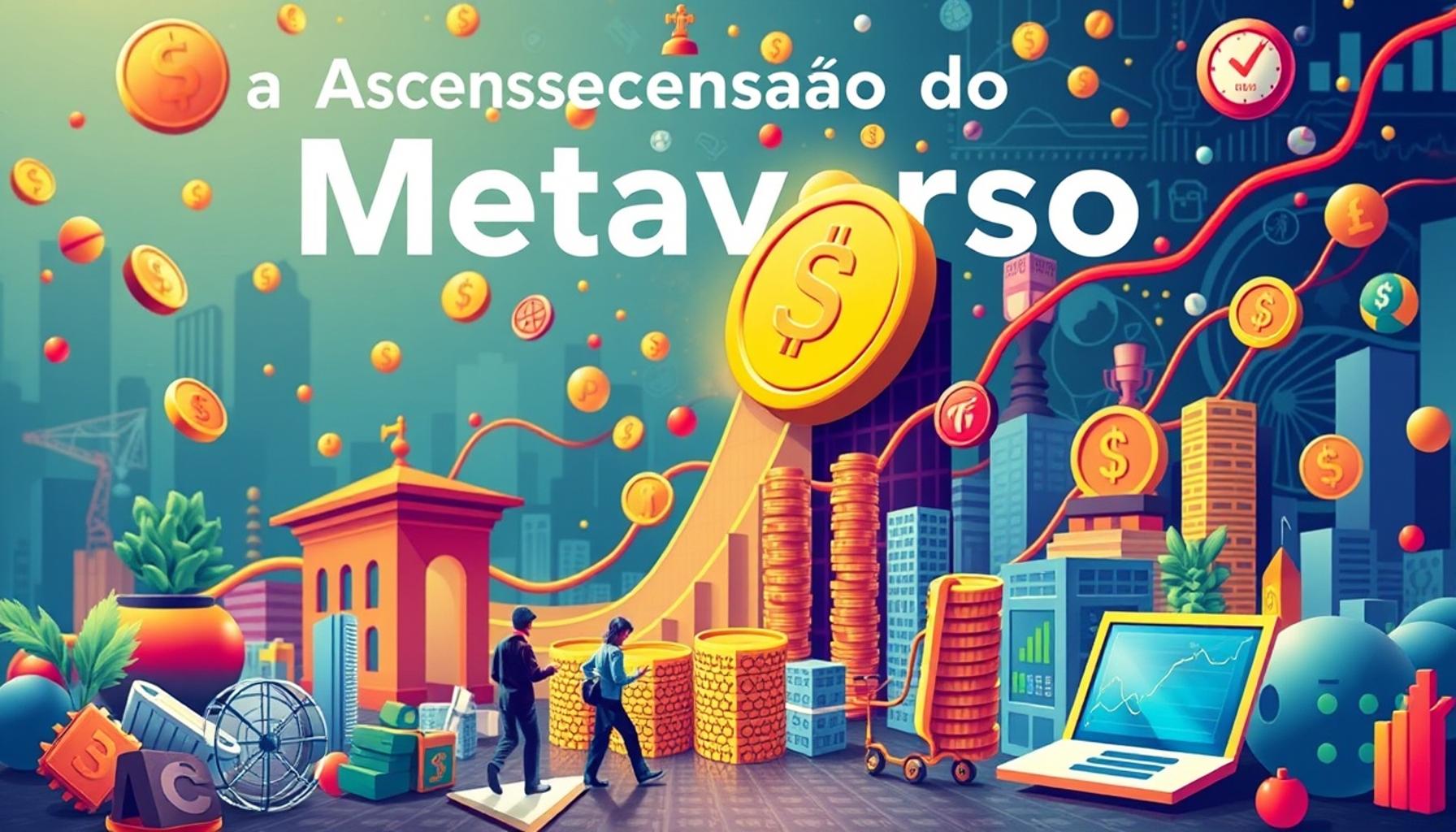
Exploring New Realities
The Metaverse represents a digital space where our physical and virtual lives converge. It offers unique opportunities for social interaction and commerce, allowing users to engage in ways that were previously unimaginable. As technology evolves, our capacity to connect, create, and transact in these immersive environments expands significantly.
Understanding the Metaverse
At its core, the Metaverse provides:
- Shared Virtual Spaces: These are environments where individuals can gather and interact regardless of their physical location. For example, a group of friends from California, New York, and Texas can meet in a virtual café, share conversation, and enjoy a virtual ambience, simulating real-life socializing.
- Interactive Experiences: The Metaverse hosts engaging activities like virtual concerts, where popular musicians can perform live in a digital arena, attracting fans from all over the globe. Additionally, it provides opportunities for educational purposes, such as virtual classrooms where students can conduct experiments in a digital lab or explore historical events through immersive storytelling.
- Economic Systems: The Metaverse creates new markets for buying, selling, and trading digital goods and services. Users can purchase virtual real estate, customize their avatars with digital fashion, or even buy virtual pets and accessories. Economies within these virtual spaces have led to the rise of services like real estate brokerages that specialize in selling virtual land.
The burgeoning interest comes from major tech giants, including Facebook (now Meta), which are heavily investing in these technologies. This commitment signifies a shift in how we communicate and conduct business. For example, enterprises are exploring virtual storefronts where customers can walk through personal avatars and interact with products in a virtual environment, enhancing the shopping experience.
Why It Matters
The implications of the Metaverse are vast and far-reaching:
- Enhanced User Experiences: By leveraging immersive technologies such as virtual reality (VR), users can experience activities like never before. Imagine attending a basketball game from the front row, all while sitting in your living room!
- A Unique Platform for Social Connections: Beyond traditional social media channels like Facebook or Instagram, the Metaverse enables deeper social connections through shared experiences and virtual meetups, fostering a sense of community among users.
- Innovative Models for Entrepreneurship and Monetization: Entrepreneurs have the chance to develop new business models within the Metaverse. For instance, artists can sell their digital artworks as non-fungible tokens (NFTs) and musicians can earn revenue through virtual concerts.
As we delve deeper into this topic, understanding these changes is vital, especially concerning their impact on our daily lives and the broader economy. The Metaverse is not just a futuristic fantasy; it is actively shaping our world today.
DON’T MISS OUT: Click here to discover how
Transforming Social Landscapes
The concept of the Metaverse is reshaping the way we perceive social interactions and commerce. This digital realm is not merely an extension of the internet; it is an expansive new environment where users can connect, collaborate, and engage in economic activities in profoundly immersive ways. By leveraging cutting-edge technology, including augmented reality (AR) and virtual reality (VR), the Metaverse creates a sense of presence that traditional online platforms cannot replicate.
The Engine of Connectivity
One of the most remarkable aspects of the Metaverse is its ability to foster connections among diverse groups of people:
- Global Engagement: Unlike conventional social media, where conversations are primarily text or image-driven, the Metaverse encourages multi-sensory interactions. Users can host meetups in breathtaking virtual environments or participate in events that transcend geographical boundaries. For instance, a user in Los Angeles could attend a virtual wedding in New York, complete with music, decoration, and even a dance floor, all while interacting with friends and family in real-time.
- Cultural Exchange: The immersive nature of the Metaverse allows for rich cultural interactions. Users can explore digital recreations of significant historical sites or partake in virtual festivals from different cultures. This creates opportunities for learning and appreciation that transcend the limitations of physical travel. Consider attending a vibrant Diwali celebration or a traditional Japanese tea ceremony without leaving your home.
- Identity and Expression: In the Metaverse, users can create avatars that express their uniqueness, allowing for greater personal expression. This digital embodiment enables individuals to showcase styles and identities that may differ from their real-life personas, enriching social dialogues. Imagine joining a virtual book club where members flaunt eclectic avatars representing their favorite literary characters.
These dimensions of the Metaverse unveil a landscape ripe with opportunities for businesses as well. Companies are beginning to understand the power of this platform not just for marketing, but for forging deeper connections with consumers. Uniquely, brands can design virtual showrooms where customers can interact with products in a lifelike manner—feeling textures, visualizing colors, and receiving personalized recommendations based on avatars’ preferences.
The Metaverse as an Economic Catalyst
The economic potentials inherent in the Metaverse are staggering and present new avenues for entrepreneurship and commerce. As we will explore further, various industries are beginning to adopt innovative technologies that echo the principles of the Metaverse:
- Virtual Retail Innovations: Businesses can create immersive shopping experiences, enabling consumers to browse and purchase items as if they were in real stores. Major brands have already begun to build virtual storefronts that allow patrons to engage with offerings in a visually compelling environment, vastly enhancing the shopping experience.
- Digital Goods and Services: The demand for digital assets continues to surge, with users eager to purchase virtual clothing, art pieces, and exclusive experiences. In turn, artists and creators are finding lucrative avenues to monetize their work in ways once viewed as a novelty.
- Employment Opportunities: As the Metaverse continues to evolve, it brings with it an array of new job prospects. Positions in virtual event planning, digital real estate management, and online community engagement are just a few examples of professions that are emerging in this dynamic ecosystem.
Understanding how the Metaverse functions is crucial, as its development signifies a major shift in our approach to socializing and commerce. As users increasingly engage in these new virtual realities, the concrete impacts on our daily lives and economic landscapes become clearer, shaping a future where the digital and physical coexist harmoniously.
DIVE DEEPER: Click here to uncover more
The Evolution of Digital Economies
As the Metaverse expands, we are witnessing a significant transformation within digital economies, where conventional models are being challenged and new frameworks are emerging. This evolution allows businesses and individuals alike to explore innovative ways to monetize their creations and connect with their audiences.
New Business Models
Many companies are reconfiguring their operating models to incorporate the unique advantages presented by the Metaverse. Here are several prominent examples:
- Subscription Services: Just as streaming platforms revolutionized media consumption, the Metaverse is paving the way for subscription-based models. Users might subscribe to virtual worlds or experiences that provide exclusive access to events, content, or even virtual real estate. This approach allows consumers to engage deeply while ensuring a recurring revenue stream for businesses.
- Pay-Per-Use Experiences: Some platforms are introducing pay-per-experience models, where users can access unique virtual experiences for a fee. For instance, attending a virtual concert featuring famous artists or participating in an interactive historical reenactment can be available through one-time payments, making these premium experiences accessible to a wider audience.
- Decentralized Marketplaces: The Metaverse is also fostering the growth of decentralized marketplaces, where users can buy and sell digital assets directly, embracing the principles of ownership and autonomy. Blockchain technology enables transparent transactions, fully leveraging the ownership of virtual properties, digital goods, and NFTs (non-fungible tokens), which have quickly garnered substantial attention.
Advertising and Branding Opportunities
The Metaverse offers an exciting landscape for advertising and branding strategies, enabling brands to reach consumers in engaging and innovative ways. Brands are no longer confined to banner ads or paid promotions on social media; they can now create immersive experiences tailored to their target audiences:
- Interactive Advertising: Instead of traditional ads, brands can craft interactive elements in the Metaverse. Imagine stepping into a virtual car showroom where you can manipulate the vehicle, explore its features, and even take it for a virtual test drive. Such experiences create memorable touchpoints that resonate more with consumers than conventional ads.
- Virtual Sponsorships: With countless events taking place in the Metaverse, brands have the opportunity to sponsor virtual concerts, conferences, or sports competitions. For example, a well-known beverage brand might sponsor a virtual festival, seamlessly integrating their products into the event while fostering connections with a targeted audience.
- Community-Centric Branding: Users in the Metaverse are more likely to support brands that foster community and culture. Companies that participate in community-building efforts or create spaces for users to gather and collaborate can enhance brand loyalty and engagement. Think of brands organizing virtual meetups where avatars can meet, connect, and even work together on projects—this transforms transactional relationships into meaningful interactions.
As we delve further into the Metaverse, it becomes increasingly clear that this digital universe is not just a space for entertainment but a catalyst for reshaping commerce and social engagement. Navigating the myriad of opportunities it offers requires adaptability and an understanding of emerging trends. By embracing this expansive digital landscape, both consumers and businesses stand to gain significantly as they explore new connections and avenues for growth.
DON’T MISS OUT: Click here to discover how to score free clothes on Shein!
Conclusion: Embracing the Metaverse
The rise of the Metaverse marks an exciting evolution in the way we engage with technology, each other, and commerce. As we stand on the cusp of this new digital frontier, it’s evident that the Metaverse is more than just an extension of the virtual world; it is rapidly becoming a vital social platform and a dynamic marketplace. By leveraging innovative business models such as subscription services and decentralized marketplaces, companies are transforming how they connect with consumers, providing immersive experiences that were once relegated to science fiction.
Additionally, brands are discovering fresh advertising opportunities that allow them to engage with their audiences in meaningful ways. The shift from traditional advertising to interactive experiences not only enhances brand visibility but also fosters genuine connections between consumers and companies. As virtual spaces become arenas for collaboration, community-building, and creativity, firms that adapt to these changes can unlock new avenues for growth.
However, as we embrace the potential of the Metaverse, it’s crucial to consider the implications of this transformation. Issues like digital privacy, security, and accessibility warrant attention as we create a more interconnected world. The path forward will require careful navigation to ensure the Metaverse remains a space for positive interactions and equitable opportunities.
In summary, the Metaverse is poised to redefine social interaction and commerce in ways that can enhance our daily lives. By participating in this digital landscape and staying attuned to its evolution, both businesses and consumers can harness its potential, leading to richer experiences, innovative connections, and a thriving digital economy.

Linda Carter
Linda Carter is a writer and expert known for producing clear, engaging, and easy-to-understand content. With solid experience guiding people in achieving their goals, she shares valuable insights and practical guidance. Her mission is to support readers in making informed choices and achieving significant progress.