Visual Communication in the Digital Age: The Rise of Memes and Emojis as New Languages
Understanding Visual Communication in the Digital Age
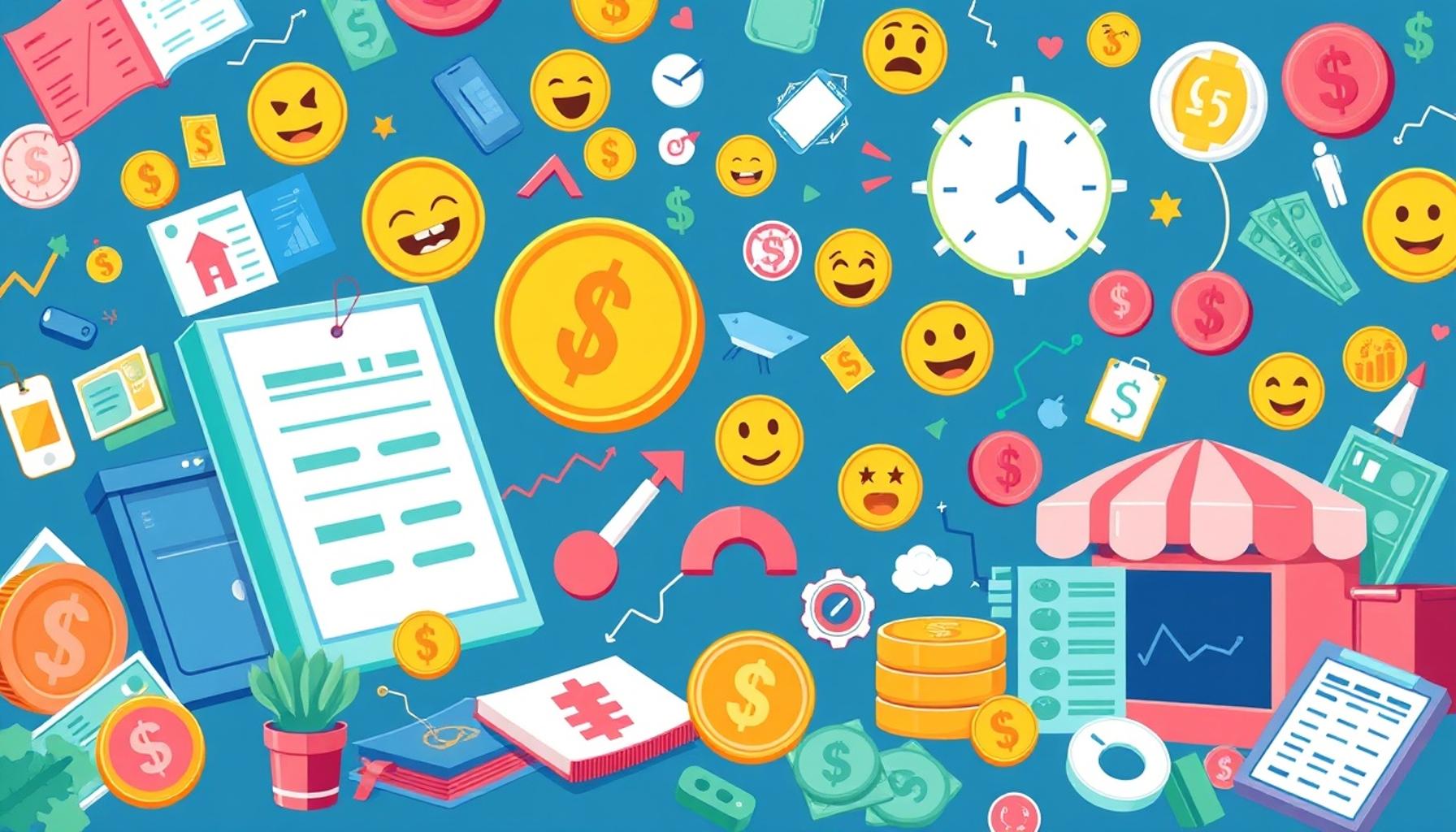
In today’s fast-paced digital world, communication has transformed dramatically. Visual elements like memes and emojis have emerged as powerful tools for conveying ideas quickly and effectively. They not only enhance our messages but also create a sense of community and shared understanding. This evolution in communication reflects the ways in which technology influences our interactions, making them more engaging and expressive.
Consider these essential features of visual communication:
- Speed: Visuals can communicate complex emotions or ideas in seconds. For example, a simple smiley face 🙂 can express happiness, while a crying face 😢 instantly conveys sadness. This ability to summon emotions swiftly is particularly advantageous in fast-moving conversations, such as those taking place on social media platforms like Twitter or Instagram.
- Universality: Emojis and memes transcend language barriers, making them widely relatable. The laughing emoji 😂 or a popular meme format can evoke laughter and acknowledgment across different cultures, regardless of the language spoken. This universality fosters connections among people who might not share a common language, expanding interactions worldwide.
- Creativity: Users can express their thoughts in inventive ways, often reflecting cultural or social contexts. For instance, the “Distracted Boyfriend” meme depicts a relatable scenario that many individuals recognize, creatively illustrating the conflicts of daily life. By recontextualizing images or creating new memes, individuals tap into cultural moments, enriching the discussion with humor and relatability.
For instance, a single emoji can convey feelings that might otherwise take several sentences to explain. Similarly, a meme captures a humorous take on a situation, instantly resonating with a specific audience. With platforms like TikTok and Snapchat favoring visual story formats, these tools have become so ingrained in our communication style that they often replace traditional text-based messages in daily interactions.
As we delve deeper into this topic, we will explore how visual communication shapes our conversations and influences our social dynamics. The rise of these new languages showcases not only innovation in communication but also the evolving nature of human connection in the digital age. By adapting to this modern form of interaction, we can better understand each other in an increasingly globalized and digital society, enriching our interpersonal relationships along the way.
DIVE DEEPER: Click here to uncover more tips
The Evolution of Language Through Images
As our society progresses, the way we communicate continues to evolve. Traditional forms of language—whether spoken or written—are now frequently supplemented or even replaced by visual forms of expression, particularly through memes and emojis. These visual languages have emerged as a fundamental part of how we convey ideas, emotions, and humor in the digital realm.
One of the most captivating aspects of this evolution is how visual communication has redefined our interactions. To illustrate, let’s examine a few key factors that underscore the importance of this trend:
- Emotional Resonance: Visuals enable us to express feelings that might otherwise be lost in translation. For example, a simple thumbs-up emoji 👍 not only signifies approval but also conveys a sense of camaraderie, transforming a mundane text conversation into a more relatable interaction. This emotional layer adds depth to our communication.
- Conciseness: In an era where attention spans are shorter than ever, visuals help streamline communication. A well-crafted meme can capture a whole narrative or sentiment in a single image, allowing users to share an experience or opinion without extensive explanation. This efficiency can be particularly advantageous in fast-paced environments, such as online group chats or social media platforms.
- Social Commentary: Memes often serve as a form of societal reflection, mirroring cultural trends and sentiments. For instance, during significant events like elections or social movements, memes can powerfully encapsulate public opinion and stir conversations. A meme that humorously critiques a political situation can engage audiences in dialogue more effectively than a lengthy opinion piece.
The rise of platforms like Instagram, TikTok, and Snapchat has further contributed to the popularity of visual communication. Users are encouraged to engage with others through images and videos, reinforcing the idea that a visual statement can strike a chord across diverse audiences. For example, a viral dance challenge on TikTok can transcend age and geography, allowing a global community to participate in a shared experience through a simple visual prompt.
This shift towards visual communication is not merely a fad but a reflection of how we adapt to technological advancements and societal changes. With smartphones and social media at our fingertips, conveying emotions and ideas visually has become a preferred method for many. In a way, emojis and memes are building blocks for a new language—one that is dynamic, immediate, and deeply connected to the human experience.
In exploring this phenomenon, it becomes clear that memes and emojis are more than just harmless distractions; they represent a fundamental shift in how we relate to one another and express ourselves. As we further examine their impact, we will uncover the nuanced ways in which these visuals affect our communication styles and the broader implications they have for interpersonal connections in the digital age.
DIVE DEEPER: Click here to discover future trends in online privacy
The Impact of Memes and Emojis on Digital Interaction
The integration of memes and emojis into our daily communication reflects a broader trend in how digital interactions shape relationships and community dynamics. As these visual elements have evolved, they have not only changed how we communicate but also how we perceive one another in the online space. This transformation is evident in several key areas of interaction.
- Cross-Cultural Communication: One of the remarkable advantages of using visual language is its ability to transcend linguistic barriers. Emojis, for instance, are universally recognized symbols that can convey emotions and intentions without the need for a common spoken language. A smiley face 😊 can evoke friendliness, while a crying emoji 😢 communicates sadness, regardless of whether the recipient speaks English, Spanish, or Mandarin. This universality fosters a sense of belonging among individuals from diverse backgrounds, promoting inclusivity in our increasingly globalized world.
- Enhancing Engagement: Visual communication often leads to higher engagement levels online, as users are drawn to content that is visually appealing. Studies have shown that social media posts that include images or memes generate more likes, shares, and comments than text-only updates. For example, a witty meme related to a trending topic is likely to be shared widely, sparking conversations and further interaction among users, thus reinforcing connections. This layer of engagement is crucial for businesses and influencers who aim to capture attention in crowded digital spaces.
- Brand Communication: Organizations have begun utilizing memes and emojis to humanize their brands and connect with younger audiences. Brands like Wendy’s and Netflix often leverage humor in their social media content, employing memes that resonate with current trends. This strategy allows companies to appear relatable and contemporary, enhancing consumer loyalty. When brands participate in meme culture authentically, they not only increase their visibility but also create a community around their products.
Moreover, the rapid spread of visual communication can sometimes lead to a phenomenon known as “meme fatigue,” where the constant barrage of similar content causes users to disengage. Consequently, it becomes necessary for creators to innovate continually to maintain audience interest. The challenge lies in crafting visuals that resonate while also standing out in an oversaturated environment. This trend has pushed many meme creators to explore the depths of creativity, leading to unique formats and styles that keep the content fresh and entertaining.
Another critical aspect to consider is the role of memes and emojis in shaping social norms and behaviors. The usage of certain emojis can shift over time, influenced by societal changes and internet culture. For example, the eggplant emoji 🍆, often associated with innuendos, reflects how symbols can adopt new meanings in different contexts, leading to a richer layer of social commentary in our exchanges. This dynamism illustrates how language, even in its visual form, evolves to reflect the values and sentiments of the day.
Furthermore, the interpretive nature of emojis and memes can sometimes lead to misunderstandings, as the same image might provoke different reactions based on individual perception and context. A meme that is humorous to one group may be offensive to another, highlighting the importance of cultural sensitivity in digital communications. Recognizing these nuances is essential as visual language continues to develop in complex and multi-faceted ways.
As memes and emojis become woven into the fabric of everyday communication, they highlight the need for awareness and adaptability in digital interactions. Understanding this new visual language and its implications for relationships in the digital age will allow individuals to navigate these landscapes more effectively, fostering deeper and more meaningful connections across the digital divide.
DISCOVER MORE: Click here for tips on getting free products
Conclusion: Embracing a New Era of Communication
In conclusion, the rise of memes and emojis in our digital interactions signifies a profound shift in how we communicate across platforms. These visual elements have become more than mere embellishments; they serve as fundamental tools for expression, enabling individuals to share feelings, ideas, and cultural nuances in a rapidly evolving digital landscape. Their capacity to transcend language barriers fosters inclusivity, allowing people from diverse backgrounds to connect and engage more meaningfully.
Moreover, as memes and emojis enhance engagement and alter brand communication, they highlight the importance of creativity and relevance in capturing the audience’s attention. Notably, businesses that authentically embrace these visual languages are likely to forge stronger relationships with consumers, illustrating the dynamic interplay between brands and contemporary culture.
However, as we immerse ourselves in this vibrant visual communication landscape, it is crucial to remain vigilant about the potential for misunderstandings and the cultural sensitivities surrounding certain symbols. Acknowledging the complexity and fluidity of meaning in this new language ensures that our digital interactions continue to promote understanding rather than division.
As we move forward, the challenge lies in adapting to this evolving form of expression while balancing creativity with responsibility. By doing so, we can harness the power of memes and emojis not just as entertainment but as transformative instruments that enrich our interactions and foster unity in an increasingly interconnected world. Embracing this visual language is not merely a trend but a vital step in enhancing our communication in the digital age.

Linda Carter
Linda Carter is a writer and expert known for producing clear, engaging, and easy-to-understand content. With solid experience guiding people in achieving their goals, she shares valuable insights and practical guidance. Her mission is to support readers in making informed choices and achieving significant progress.