Mindful Living and the Creation of Serene Spaces: Tips for a Minimalist Home
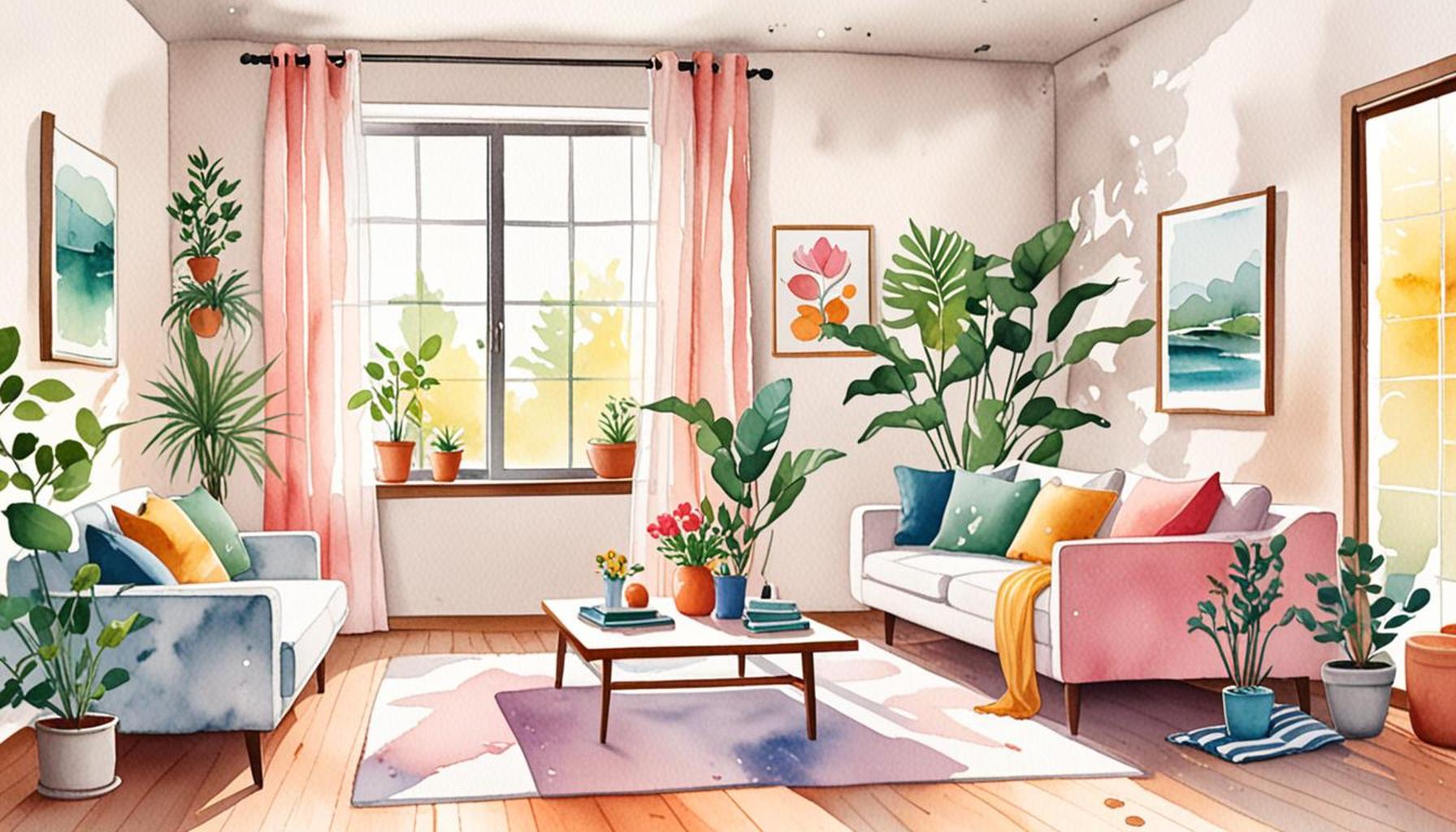
Creating a Calming Atmosphere Through Minimalism
In a fast-paced world where stimuli are incessant, mindful living stands out as a beacon of hope for those seeking solace at home. The essence of crafting serene spaces goes beyond mere decluttering; it encompasses the thoughtful curation of an environment that promotes mental clarity and emotional well-being.
Picture walking into a room where tranquility envelops you, where each item has not just a function but a positive emotional resonance. This vision can become a reality by implementing a few practical strategies:
- Declutter regularly – Engage in routine assessments of your belongings to sift through what you truly value. This practice does not merely reduce physical clutter; it cultivates a mindset that appreciates quality over quantity. In Nigeria, where family treasures often accumulate across generations, it can be especially liberating to part with items that no longer serve a purpose.
- Use natural materials – Fill your home with elements that are grounded in nature, such as wooden furniture, stone decor, and breathable textiles like cotton or linen. These materials connect us with the earth, promoting a sense of calmness. Consider sourcing local artisans who craft handmade pieces from sustainable materials, thus supporting the local economy while enriching your home’s aesthetic.
- Incorporate plants – Introducing greenery into your living space does wonders for air quality and mental health. Not only do plants like pothos, snake plants, or peace lilies purify the air, but they also bring life and vibrancy into otherwise sterile environments. Studies have shown that being around plants can reduce stress and improve focus, making them an excellent addition to both home and work settings.
In the Nigerian context, filled with rich cultural heritage and vibrant color schemes, transitioning to a minimalist lifestyle may initially seem daunting. However, adopting a streamlined approach can lead to a remarkable transformation. For example, instead of cluttered walls adorned with various artworks, consider selecting a few impactful pieces that resonate with your personal journey. This not only celebrates your identity but also creates a focal point that instills peace when you enter the room.
Mindful living invites us to create spaces that serve as sanctuaries amidst life’s whirlwind, fostering environments that nurture both mental and emotional health. By letting go of excess and embracing simplicity, we can cultivate homes that genuinely reflect our values and aspirations. Taking the first step towards a minimalist home is not just a design choice; it is a conscious decision to prioritize well-being in our living environments.
CHECK OUT: Click here to explore more
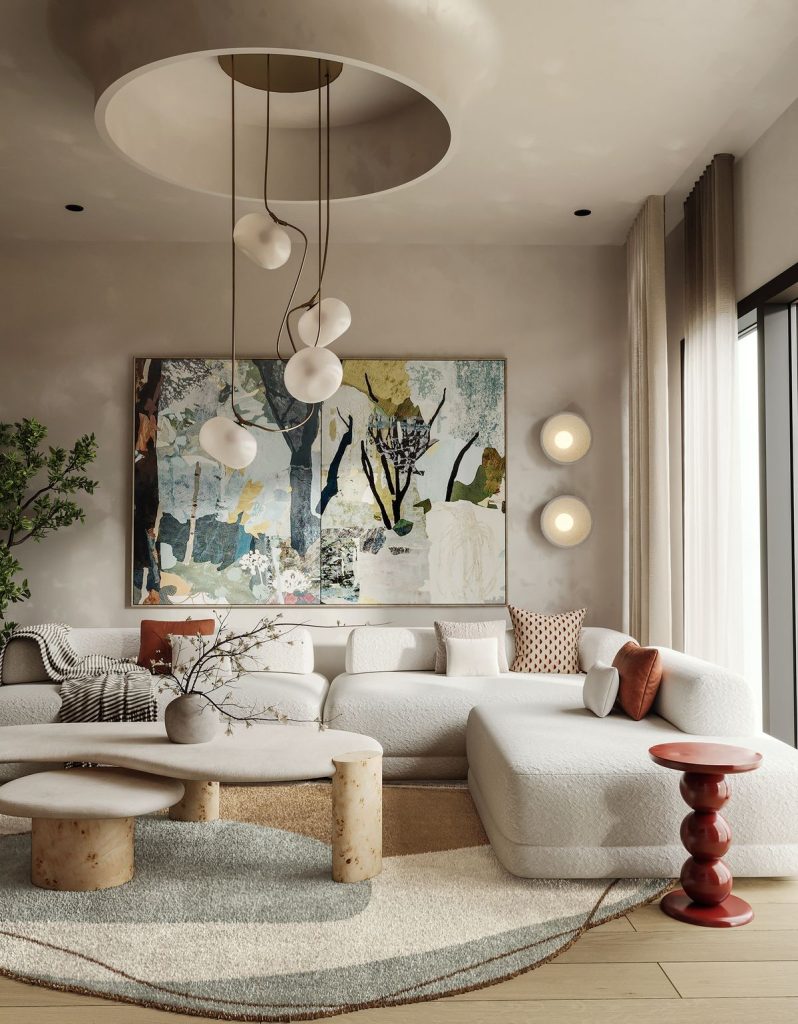
Practical Steps to Embrace Minimalism
As we delve deeper into mindful living, it becomes essential to recognize that the principles of minimalism extend far beyond aesthetics; they also enrich our daily experiences and mental clarity. By embracing a minimalist approach, we can cultivate environments that are soothing, functional, and aligned with our values. Here are some practical steps that will help you transition to a more serene space in your home:
- Prioritize Purposeful Design – Each element in your home should have a distinct purpose or emotional significance. When selecting furniture or decor, opt for items that resonate with your lifestyle. For instance, in a family home in Nigeria, a traditional wooden table might serve as a central gathering spot, evoking warmth and shared experiences, rather than overcrowding the space with multiple pieces that serve the same purpose.
- Create Zones – Designating specific areas for different activities can significantly enhance focus and peace. Whether it’s a quiet corner for meditation, a nook dedicated to reading, or a workspace that promotes productivity, creating distinct zones can help establish boundaries in your living environment. Using room dividers or rugs can visually separate these zones, making the space feel more organized and serene.
- Limit Color Palettes – The colors in a room can influence mood and energy levels. A minimalist home benefits from a cohesive color scheme that promotes calmness. Soft, neutral colors such as whites, beiges, and pastel tones can provide a serene backdrop for vibrant textiles and art pieces. In Nigeria, consider utilizing bold colors selectively with traditional fabric accents, ensuring they enhance rather than overwhelm your serene space.
- Embrace Natural Light – A well-lit space not only enhances mood but also creates an inviting and uplifting atmosphere. Maximize natural light by opting for sheer curtains, removing heavy drapes, or strategically placing mirrors to reflect light. Arrange furniture to allow maximum access to windows, letting the outside world in and fostering a connection with nature.
- Mindful Purchasing – Every item you bring into your home should be the result of thoughtful consideration. Before making a purchase, ask yourself if the item will contribute positively to your environment. The value of local craftsmanship in Nigeria shines through beautiful handmade goods; consider investing in a few high-quality pieces that tell a story rather than filling your home with mass-produced items devoid of significance.
Ultimately, the journey towards mindful living and minimalism is personal and unique for everyone. By making conscious choices and fully engaging with our living spaces, we open the door to a life of serenity and purpose. Each step taken towards a simpler, more curated home reflects a commitment to nurturing both our mental and emotional well-being, inviting tranquility into our everyday lives.
Creating a Serene Environment
In the quest for mindful living, the focus shifts towards honing in on our surroundings to foster tranquility and peace. Designing a minimalist home should not merely be an aesthetic pursuit, but rather a conscious effort to enrich your everyday experience. Here are some actionable tips to create serene spaces in your living environment:
- Decluttering Regularly: Embrace the philosophy of “less is more.” Regularly assess your belongings to eliminate unnecessary items that no longer serve a purpose in your life. This not only creates physical space but also clears mental clutter.
- Incorporating Natural Elements: Bring the outdoors in by adding plants and natural materials. The presence of greenery can enhance oxygen levels while fostering a sense of well-being.
- Mindful Color Palettes: Opt for calming colors such as soft blues, greens, and neutrals that promote a peaceful ambiance. Color can significantly impact one’s mood and stress levels.
- Creating Designated Zones: Designate spaces in your home for specific activities, such as reading or meditation. This not only helps in reducing distractions but also encourages you to engage fully in those activities.
- Prioritizing Quality Over Quantity: Invest in fewer high-quality items, especially furniture and decor. Each piece should resonate with your aesthetic and contribute to the overall sense of calm.
As we delve deeper into the importance of these principles, let us also explore the impact of lighting in achieving a serene minimalist home. The right lighting can create moods and enhance the overall aesthetic, making it an essential element of mindful living.
| Category | Benefits |
|---|---|
| Decluttering | Creates mental clarity and enhances focus. |
| Natural Elements | Improves mood and promotes relaxation. |
| Calming Colors | Affects emotional health positively. |
| Designated Zones | Encourages mindfulness in daily activities. |
| Quality Over Quantity | Invests in items that provide lasting satisfaction. |
By embracing these tenets, you pave the way toward a harmonious home that embodies the essence of solitude, balance, and clarity. Remember, the journey to a minimalist home is an evolving process, inviting continuous exploration and personal reflection.
CHECK OUT: Click here to explore more
Incorporating Nature into Your Home
One of the most effective ways to enhance your home’s serenity is by integrating natural elements. Nature has a calming effect, and incorporating it into your living space can significantly improve your mental state. In Nigeria, homeowners can easily access vibrant plants that not only beautify their surroundings but also purify the air. Consider placing a variety of low-maintenance indoor plants such as pothos or snake plants in strategic locations throughout your home. These botanical choices thrive in various light conditions, making them ideal for a range of environments and enhancing the overall aesthetic of your serene space.
Natural materials, such as wood, stone, and bamboo, also create a connection to the earth that resonates well with the principles of minimalist design. Choosing wooden furniture crafted by local artisans supports not only a minimalist ethos but also promotes sustainable and ethical consumption practices. Look for pieces that feature natural grain patterns and textures which can add character without overwhelming the understated aesthetic crucial to a minimalist home.
The Importance of Decluttering
Decluttering is at the core of creating a minimalist home. It involves not just physical items but also emotional baggage that may weigh heavy on your mind. Start by tackling small areas, like one drawer or a single shelf, to prevent feeling overwhelmed. The “one-in, one-out” rule can be a practical approach; for every new item that enters your home, let go of another. Alternatively, consider the Marie Kondo method, which encourages you to keep only those items that “spark joy.” This method is particularly effective in cultivating a space that feels not only minimal but deeply personal and meaningful.
Additionally, in a bustling city like Lagos, where living spaces tend to be compact, efficient storage solutions become paramount. Use multi-functional furniture, such as ottomans that provide storage or coffee tables with drawers, to keep clutter out of sight. This technique not only aids in organization but also contributes to a tranquil atmosphere, allowing you to focus on the beauty and functionality of your environment.
Curating Meaningful Connections
A minimalist home is not just about the absence of clutter; it’s also about the presence of what truly matters. Curate your space with items that hold sentimental value or represent profound connections. For example, showcasing a family heirloom or art created by a local artist can offer a warm touch that resonates with your identity and experiences. By strategically displaying such pieces, you create conversation starters that invite storytelling and connection within your space.
The arrangement of these pieces can also reflect your personal journey. For instance, a collection of photographs from a recent trip across Nigeria can remind you of the beauty and diversity of your homeland. Such visual anchors can foster a sense of belonging and peace, affirming your intentions of living mindfully in your home.
In conclusion, mindful living and the creation of serene spaces involves more than merely reducing the number of possessions; it is an opportunity to reflect on what adds value and joy to your life. By seamlessly integrating natural elements, embracing effective decluttering practices, and curating meaningful connections, you can foster minimalist environments that promote peace and clarity in a world that often feels chaotic.
RECOMMENDED: Check out this similar article
Conclusion
In the journey towards mindful living, the creation of serene spaces within a minimalist home serves as a crucial foundation for mental well-being and tranquility. As we’ve explored, integrating natural elements into your environment not only beautifies your home but also enhances your overall sense of peace. By embracing efficient decluttering techniques, such as the “one-in, one-out” rule or the Marie Kondo method, you pave the way for a space void of distractions, allowing your mind to focus on what truly matters.
Curating meaningful connections through personal artifacts and art fosters a sense of belonging and deepens the emotional resonance of your living space. Each item you choose to keep should tell a story or celebrate a memory, reflecting your unique identity. This personal touch transforms your home into a sanctuary, reminding you of the beauty surrounding you, especially in a diverse and vibrant country like Nigeria.
As you continue to cultivate your serene space, remember that mindful living is a continuous process. It requires regular reflection and reassessment of what brings joy and value to your life. By prioritizing simplicity, sustainability, and emotional connection in your design choices, you create not just a minimalist home but a nurturing environment that promotes clarity, balance, and happiness. Embrace this opportunity to inspire those around you, sparking conversations about the benefits of adopting a mindful approach in our increasingly fast-paced world.