
The Role of Social Media in Promoting Small Businesses in Rural Communities in the Philippines
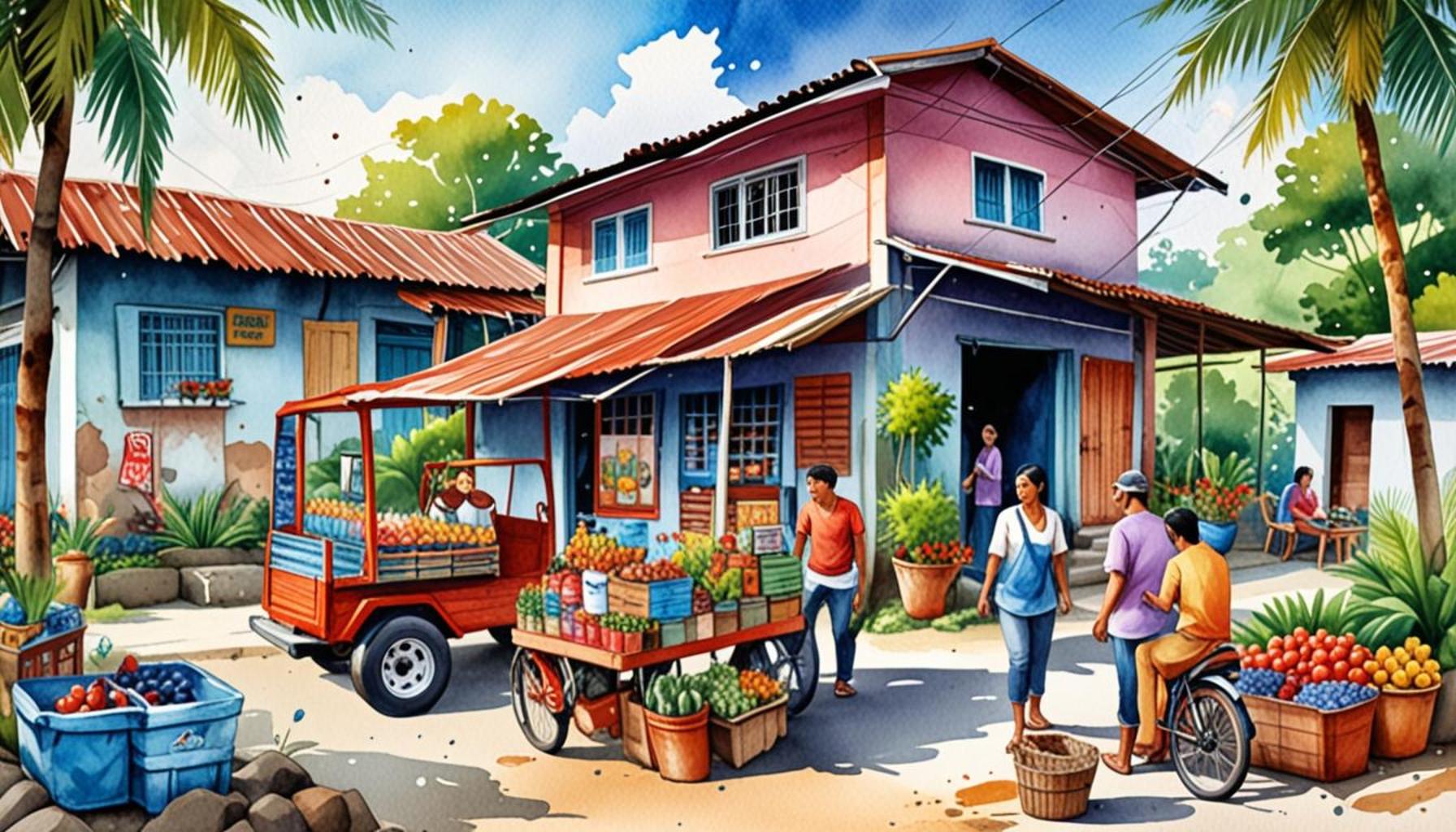
The Impact of Social Media on Rural Businesses
In today’s digital landscape, social media is more than just a platform for social interaction; it has emerged as a game-changer for businesses, particularly in rural communities. The advent of technology has opened new avenues for enterprises previously confined by geographical constraints. In the Philippines, platforms such as Facebook and Instagram are being harnessed by small businesses in various rural regions like Bukidnon and Mindanao, enabling them to reach wider audiences with relative ease.
Benefits of Social Media for Rural Enterprises
Among the myriad advantages that social media provides, some stand out prominently for small business owners:
- Cost-effective marketing: Traditional advertising methods can be prohibitively expensive for small enterprises. However, social media platforms offer free or low-cost advertising options, allowing businesses to promote their products without straining their budgets. For instance, an artisan from Bukidnon can create an eye-catching post showcasing their handmade crafts, leveraging organic reach through likes, shares, and comments.
- Increased visibility: One of the biggest challenges for rural businesses is reaching customers who may be miles away. Social media helps bridge this gap, presenting opportunities for owners to engage with potential clients beyond their immediate neighborhoods. Businesses such as local farmers’ markets can post weekly updates about fresh produce, thereby attracting a broader audience interested in organic and locally-sourced goods.
- Community engagement: Social media platforms enhance direct communication between businesses and their customer base. This interaction fosters loyalty and community spirit, allowing businesses to receive immediate feedback and adapt their offerings accordingly. A bakery in Mindanao, for example, can run polls on their Facebook page to determine which new pastry the community would like to see featured next.
The growing internet penetration in the Philippines, with approximately 76 million social media users as of 2023, signifies a noteworthy trend that small businesses can capitalize on. By showcasing unique products and local crafts, they not only broaden their reach, but they also amplify their voices, thus contributing to local economic growth.
Navigating Challenges
Despite the benefits, many rural business owners encounter challenges when it comes to effectively utilizing social media. A lack of digital literacy, insufficient understanding of online marketing strategies, and varying access to reliable internet connections can hinder their efforts. Workshops and training programs are essential in equipping these entrepreneurs with the skills needed to navigate the digital landscape effectively.
Ultimately, the intersection of social media and rural entrepreneurship presents an exciting opportunity for growth and sustainability. By adapting to these modern techniques, small businesses have the potential to thrive in an interconnected world. Continuing to explore these digital avenues could revolutionize local economies, making them more resilient and dynamic than ever before.
SEE ALSO: Click here to read another article
Leveraging Social Media for Growth
For small businesses operating in rural areas of the Philippines, social media serves as a powerful ally in their growth journey. The ability to connect, engage, and promote via platforms like Facebook, Instagram, and even TikTok can transform local enterprises, allowing them to compete on a wider scale. The digital transition is not just about marketing; it’s about altering the very fabric of how these businesses interact with their consumers and the communities around them.
Building a Brand Identity
Establishing a strong brand identity is critical for small businesses, and social media offers a unique platform to create and nurture this identity. For instance, a small handicraft business in Palawan can use Instagram to share not just images of their products but also the stories behind them. By posting videos or behind-the-scenes content, they can illustrate the craftsmanship that goes into each item, thus fostering a deeper connection with potential customers. This personal touch helps in building brand loyalty, encouraging customers to support local enterprises over larger, faceless corporations.
Expanding Market Reach
Social media platforms allow rural entrepreneurs to engage with customers far beyond their local markets. Here are several key opportunities:
- Global exposure: With an active online presence, a small business in the countryside can catch the attention of customers abroad. For example, a community producing artisanal coconut oil can target health-conscious consumers internationally, facilitating online orders and deliveries.
- Creating niche communities: Businesses can leverage social media to gather like-minded individuals around specific interests, such as organic farming or traditional crafts. This can lead to a loyal customer base as followers seek to support businesses that align with their values.
- Distributing information: Social media provides a channel for timely updates. A local restaurant can share menu changes, special deals, or seasonal offerings. Engaging posts about new dishes can attract food enthusiasts looking for unique dining experiences.
The ramifications of these capabilities go beyond simple sales; they stimulate local economies. Small enterprises, when successful, can generate employment and promote regional products, thus enriching communities. For example, a thriving cooperative of rice farmers can invest back into the community by funding local schools and infrastructure.
As Filipino rural entrepreneurs become more adept in navigating these digital tools, the boundaries of their enterprises are being pushed. Consequently, the marketing strategies they employ become more sophisticated, harnessing social media analytics to tailor offerings to customer preferences. Understanding which posts generate the most engagement can inform future marketing efforts, ultimately leading to improved sales outcomes.
Thus, the pivotal role that social media plays cannot be understated—it is a transformative tool that opens new frontiers for small businesses. In embracing the potential of these platforms, local enterprises in the Philippines can not only survive but thrive, capitalizing on a growing digital economy that fundamentally alters their market dynamics.
SEE ALSO: Click here to read another article
Fostering Community Connections
In addition to expanding market reach, social media plays a crucial role in fostering connections within rural communities, thus enhancing customer loyalty and trust. The personal relationships formed through digital interactions can be the bedrock of a business’s success. By tapping into the power of local stories and shared experiences, small businesses can cultivate a sense of belonging that resonates deeply with their community members.
Engaging with Local Culture
Small businesses in rural areas can use social media to celebrate and promote local culture, heritage, and traditions. For example, a bakery famous for its special recipe delicacies can share stories about how these recipes have been passed down through generations. Highlighting community events, such as local festivals or farm-to-table markets, further emphasizes a brand’s commitment to its roots. When customers see their own culture reflected in a brand’s storytelling, they are more likely to engage and support that enterprise.
Facilitating Customer Feedback
Social media is an invaluable tool for gathering customer feedback, allowing businesses to listen and respond to their audience in real-time. This feedback loop can lead to improvements in product offerings and service quality. For instance, a local craft brewery can use Facebook polls to solicit opinions on potential new flavors or seasonal brews, making customers feel valued and involved in the business’s creative process. According to a study, businesses that actively engage with customer feedback can see an increase in customer satisfaction by up to 70%, illustrating the impact of responsive communication.
Utilizing Influencer Marketing
In the evolving landscape of social media, influencer marketing has emerged as a vital strategy for small businesses in rural Philippines. Local influencers or community figures, such as food bloggers or travel enthusiasts, who have built trust with their followers can help promote a business’s offerings. When a well-respected figure endorses a local artisan’s handmade pottery through social media, it creates instant visibility and credibility. This form of marketing often yields higher engagement rates, as recommendations from trusted sources can influence purchasing decisions significantly.
Educational Content and Workshops
Another way small businesses are utilizing social media is by offering educational content and workshops. For instance, a rural farm can use platforms like Instagram Live or Facebook Events to host virtual classes on sustainable farming practices, thereby positioning themselves as thought leaders in their industry. Not only does this provide value to the community, but it also promotes the farm’s products, encouraging sales. When people see the expertise and commitment behind a product, they are more likely to support it. Educational initiatives can lead to increased interest in local agricultural products, further intertwining businesses with their communities.
Collaboration and Networking
Social media also facilitates collaboration among small businesses. Local artisans, eateries, and other entrepreneurs can create partnerships, cross-promote their brands, and even collaborate on joint events or products. For example, a local café could partner with a nearby bakery to create a special menu item featuring the bakery’s goods, promoted jointly on their social media platforms. Such collaborations not only leverage each other’s audiences but can also create a stronger presence in the community narrative. As businesses cultivate relationships, they can create an ecosystem of support that invigorates the local economy.
With its ability to foster connections and community involvement, social media is indeed reshaping the landscape for small businesses in rural Philippines. By embracing these approaches, these enterprises can thrive, establishing a foothold in both local and extended markets.
CHECK OUT: Click here to explore more
Conclusion
In an age where digital connectivity is increasingly vital, social media has emerged as a transformative tool for small businesses in rural communities across the Philippines. By fostering authentic community connections, engaging local culture, and facilitating meaningful customer interactions, social media platforms have become essential in reshaping the business landscape. Small enterprises not only benefit from the expanded market reach but also build a loyal customer base that appreciates their commitment to community values and heritage.
The incorporation of innovative marketing strategies, such as influencer partnerships and educational content, highlights the adaptability of these businesses in leveraging social media for growth. By embracing these strategies, local entrepreneurs can effectively increase visibility and appeal, creating a narrative that captivates both residents and visitors alike.
Moreover, as small businesses in rural areas continue to collaborate and support each other via social media networks, they develop a resilient ecosystem that boosts local economies. The potential for increased customer satisfaction, loyalty, and active participation will only grow as businesses refine their approaches and adapt to the evolving digital landscape.
For entrepreneurs looking to harness the power of social media, the journey holds immense opportunities ripe for exploration. Continued investment in these digital avenues not only promises improved financial sustainability but invites a deeper connection with the heart of their communities. As these small businesses flourish, they pave the way for rural development, showcasing the unique charm and culture of the Philippines.
