Simplified Spaces and the Practice of Mindfulness: Connecting with the Present

Understanding the Power of Mindfulness in Minimalistic Environments
In contemporary life saturated with busyness and noise, the philosophy of mindfulness emerges as a beacon of contentment and self-awareness. It invites individuals to retreat into simplified spaces, which serve as calming sanctuaries away from the incessant clamor of daily commitments. Engaging in mindfulness fosters a powerful bond with the present moment, guiding individuals toward a state of tranquility that not only soothes the mind but also enhances overall well-being.
To embrace this practice, several key elements define simplified spaces:
- Decluttered environments are essential as they eliminate distractions. Removing extraneous items allows the mind to relax and focus, creating clarity necessary for effective thought and creativity.
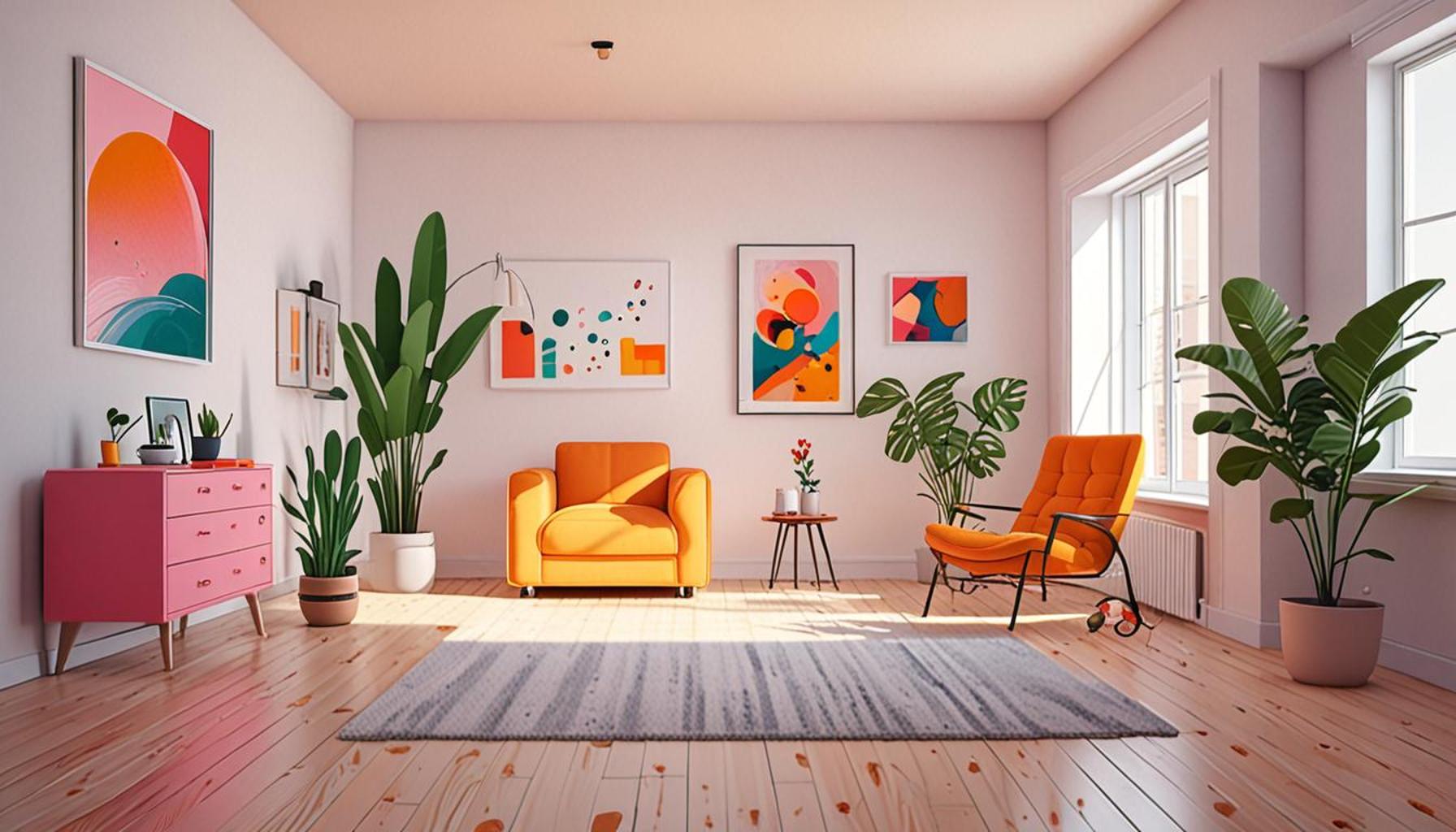
- Natural light plays a transformative role. In Nigeria, where sunlight is abundant, integrating windows or glass doors to invite this light can uplift moods, invigorate spaces, and imbue them with positive energy. Studies have shown that exposure to natural light can significantly improve both sleep quality and mental health.
- Thoughtfully chosen decor, such as art or plants that evoke feelings of calm and inspiration, can encourage a peaceful atmosphere. In a Nigerian context, incorporating locally crafted items or vibrant artworks can deepen cultural connections and promote a sense of authenticity.
Urban Nigerian landscapes are often crammed with noise and rapid-paced lifestyles, leading to increased stress levels. Here, mindfulness becomes particularly critical. Techniques such as meditation, which can be practiced in as little as five to ten minutes daily, offer substantial relief. Deep breathing exercises help in grounding individuals, while taking moments to appreciate the beauty of nature—perhaps through a stroll in a local park—can revive the spirit amid daily chaos.
As we immerse ourselves in the exploration of mindfulness through simplified spaces, we uncover pathways to personal growth and holistic health. This journey invites us to examine our surroundings, encouraging us to declutter not just our physical environments but our minds as well. Embracing simplicity and presence can lead to transformative changes in our lives, inspiring deeper connections with ourselves and those around us.
Mindfulness is not just a practice; it’s a lifestyle choice that nurtures resilience and inner peace in an increasingly distracting world. By adopting these principles, you may find not only serenity but an invigorated passion for life that could inspire you to share the benefits of mindfulness with your community.
ADDITIONAL INSIGHTS: Expand your understanding here
The Intersection of Clarity and Calm: Creating Mindful Environments
As the pursuit of mindfulness gains traction, individuals are discovering the profound impact simplified spaces have on their mental health and overall life satisfaction. These spaces are not merely aesthetic choices; they are carefully curated environments that promote a state of mindfulness—a practice centered around being fully present and engaged in the moment. In Nigeria’s bustling cities, where distraction reigns, intentional creation of such spaces is more critical than ever.
To harness the full potential of simplified spaces, several core principles can be employed:
- Emphasizing minimalism allows individuals to focus on what truly matters. By stripping away excess belongings, people create environments reflective of their inner peace, reducing overwhelming stimuli that can disrupt mental clarity.
- Incorporating natural elements connects inhabitants with their surroundings, promoting a sense of belonging. In Nigeria, this can mean integrating indigenous materials or greenery, such as the popular palm fronds or local plants, which not only enhance aesthetics but also bring a piece of nature indoors.
- Creating designated zones for mindfulness practices, such as meditation or quiet reading, provides a dedicated area for tranquility. This may include a corner of a room adorned with soft cushions, candles, and personal relics that inspire reflection and relaxation.
Research has shown that such simplified environments significantly reduce stress levels and enhance focus. A study conducted among urban dwellers in Nigeria indicated that individuals living in decluttered spaces reported a remarkable increase in productivity and emotional well-being. The ability to see and navigate through an uncluttered area fosters a sense of control, which is particularly beneficial in high-pressure settings.
Furthermore, the relationship between mindfulness and the natural world cannot be overstated. Engaging with nature, even in small doses, invigorates the spirit. Whether it is taking a moment to appreciate the vibrant colors of flowers or basking in the warmth of the sun, these interactions offer opportunities to breathe deeply and reset one’s mindset. Therein lies the beauty of mindfulness—it transforms mundane experiences into profound ones.
Moreover, the act of creating simplified spaces resonates with cultural practices in Nigeria. For instance, the appreciation for simplicity found in traditional architectural styles can inform contemporary designs focused on mindfulness. Utilizing locally sourced materials not only supports artisans but also maintains a connection to heritage, enriching the mindfulness experience.
By embracing the essence of mindfulness through simplified spaces, individuals can cultivate an environment that nurtures both mental and emotional health. This holistic approach to living promotes a deeper understanding of oneself and the world around, igniting a journey towards self-discovery and renewed appreciation of every moment.
| Category | Description |
|---|---|
| Minimalism | Embracing simplicity in living spaces to enhance mental clarity. |
| Mindful Focus | Concentration on the present moment to reduce anxiety and elevate well-being. |
| Natural Elements | Incorporating plants and natural light to promote tranquility and connection with nature. |
| Space Optimization | Efficient use of space to create an environment conducive to restful practices. |
With the rise of urban living and hectic lifestyles, the need for simplified spaces is becoming increasingly evident. Minimalism not only transforms physical environments but also liberates the mind, allowing individuals to focus better on present tasks. By reducing clutter, one can foster a greater sense of peace and cognitive clarity. Moreover, practicing mindfulness within these simplified environments enhances one’s ability to hone in on the present moment, which has been linked to lower levels of stress and increased emotional resilience. Mindful practices encourage a deeper awareness of one’s surroundings and promote feelings of calmness. Integrating natural elements such as indoor plants and ample sunlight can further enhance the calming effect of a space, deeply rooting us in our environments and elevating our mood. Ultimately, space optimization is key to ensuring that every area serves a purpose, transforming our living and working environments into sanctuaries that support mindfulness and relaxation. As the journey toward connection with the present unfolds, a commitment to these principles can lead to profound shifts in one’s overall well-being.
ADDITIONAL INSIGHTS: Expand your understanding here
Mindful Design: Enhancing Everyday Experiences through Simplified Spaces
The integration of mindfulness into our daily lives extends beyond personal practice; it encompasses the design of our environments. By employing the principles of simplified spaces, individuals can create sanctuaries that foster peace and help situate them firmly in the present moment. An accessible first step is to prioritize functionality over aesthetics when designing these environments. In Nigeria, where space can often be at a premium, understanding how to maximize the utility of living spaces while minimizing clutter is essential.
To achieve this, consider multi-functional furniture, which is increasingly popular among urban dwellers. For example, a simple ottoman can serve as both seating and storage, allowing individuals to stow away unnecessary items while keeping their space looking tidy. This is particularly useful in small homes in crowded cities like Lagos or Abuja, where expanding square footage may not be an option. The psychological benefits of such arrangements cannot be overlooked; a well-organized space encourages a clear mindset, making it easier to partake in daily mindfulness practices.
Artisanal touches also play a pivotal role in creating mindful environments. Using handcrafted items—be it pottery, textiles, or artwork—reflects personal taste and can invoke memories or emotions, serving as connecting points to the present. In contrast to mass-produced goods that often lack character, these unique pieces contribute to a serene atmosphere that can help ground individuals in their mindfulness practice.
Moreover, lighting is another key element that should not be overlooked when designing simplified spaces. Natural light is particularly beneficial, as it influences mood and can boost overall well-being. In regions like Nigeria, where the sun shines brightly for much of the year, harnessing this natural resource by having large windows or strategically placed mirrors can enhance light exposure, giving rooms a sense of openness while promoting feelings of calmness. For those who may live in darker environments, soft lighting from lamps or candles rather than harsh overhead lighting can create inviting spaces for meditation or reflection.
In addition to these physical elements, incorporating sounds can further enhance the experience of mindfulness in simplified spaces. Soft music or the sounds of nature can facilitate relaxation and encourage a meditative state. Many individuals find solace in traditional Nigerian music, which, when played softly in the background, provides both cultural connection and a soothing auditory experience.
Furthermore, the philosophy of less is more resonates widely with the African heritage of embracing community and connection over materialism. By fostering an appreciation for shared experiences rather than the pursuit of excessive possessions, individuals can cultivate a mindset of gratitude and presence. This shift not only impacts personal well-being but can also influence relationships with family and friends, creating deeper bonds and a greater sense of belonging.
The journey toward cultivating simplified spaces that promote mindfulness is as much about personal exploration as it is about external environment. By reflecting on what adds value to their lives and what detracts from their peace, individuals can develop spaces that are not only aesthetically pleasing but also serve as powerful tools for cultivating a continuous connection with the present moment.
SEE ALSO: Click here to read another article
Embracing the Potential of Simplified Spaces for Mindfulness
In conclusion, the transformative power of simplified spaces in enhancing the practice of mindfulness cannot be overstated. As we navigate the challenges of modern life—particularly in vibrant cultures like Nigeria—it becomes essential to create environments that nurture our connection to the present moment. The journey towards mindfulness involves more than personal reflection; it encompasses our physical surroundings, which can either hinder or enhance our ability to live fully in the now.
By adopting principles of thoughtful design, such as functionality, personalization with artisanal touches, and optimal lighting, individuals can craft spaces that exude tranquility and clarity. These environments act as sanctuaries, reflecting our values and fostering a sense of peace, ultimately allowing us to engage more fully with ourselves and with others. The incorporation of sound—particularly from local cultural sources—adds another layer of connection, marrying our mindfulness practices with our rich heritage.
As we embrace the philosophy of less is more, we not only declutter our physical spaces but also our mental landscapes. This shift has the potential to cultivate deeper relationships, reinforce community ties, and lead to a more meaningful existence. The cultivation of simplified spaces is, therefore, a vital step towards both personal well-being and collective harmony—an invitation to step into serenity and authenticity amid the noise of everyday life.
Ultimately, the embrace of mindfulness through simplified spaces invites each of us to explore not just how we live in our environments, but how these environments influence our experience of the world. By being intentional in our spaces, we can nurture a present-centered awareness that can change lives.