The Connection Between Minimalism and the Art of Living with Less: Redefining Spaces and Priorities in Our Lives

Understanding Minimalism
The concept of minimalism transcends mere aesthetic appeal; it encompasses a philosophy that encourages individuals to strip away the non-essential to focus on what truly matters. In a country like Nigeria, where the rapid pace of urbanization often leads to overwhelming consumer culture, the adoption of a minimalist lifestyle can serve as an invigorating antidote. The need to combat mental and physical clutter has never been more pressing as individuals seek clarity amidst the chaos.
Redefining Spaces
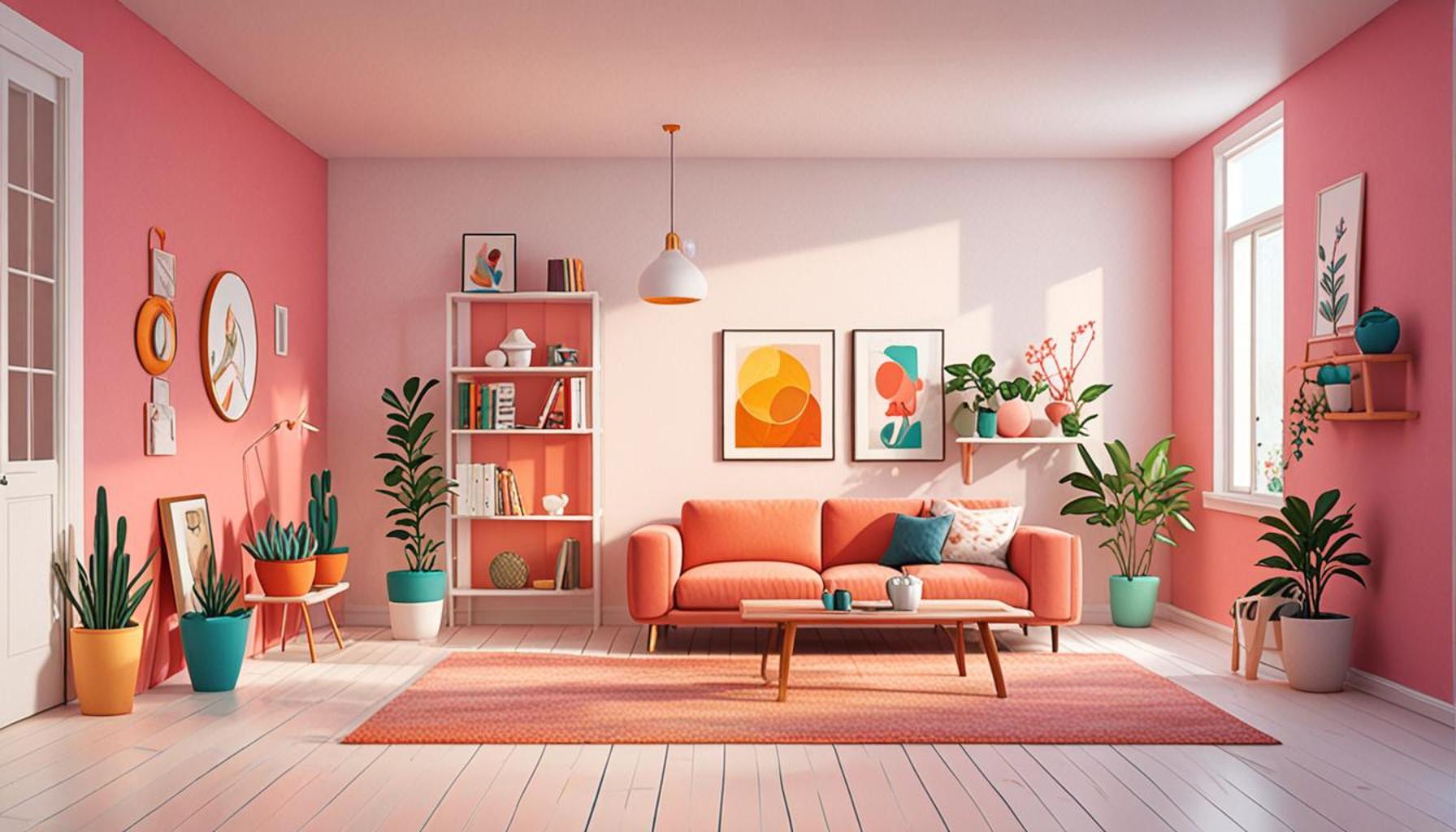
Redefining spaces is a fundamental tenet of minimalism. Envisioning a home that embodies serenity and functionality can drastically improve one’s mental clarity. In Nigerian cities where housing is often limited, individuals are learning to maximize their small living spaces. Techniques such as using multifunctional furniture—like a sofa that converts into a bed, or storage ottomans—can create a streamlined living area. These strategic changes not only reduce clutter but also enhance the sense of freedom within one’s home. A well-organized space can contribute greatly to improved productivity and focus, pivotal in today’s fast-paced world.
Shifting Priorities
Minimalism encourages a shift in priorities, urging individuals to favor experiences over material possessions. This shift can manifest in various facets of life, from opting for memorable trips to festivals that celebrate the rich cultural heritage of Nigeria, such as the Osun-Osogbo festival, rather than acquiring the latest gadgets. As people prioritize meaningful interactions, they begin to foster deeper connections with family and friends. This shift not only improves interpersonal relationships but also enhances overall happiness, as studies suggest that experiences tend to generate more lasting joy than material goods.
Environmental Awareness
Engaging with minimalism also promotes environmental awareness, a crucial factor in a world grappling with environmental degradation. In Nigeria, where issues like waste management and pollution are pressing concerns, living with less can mean using fewer resources and producing less waste. This ties neatly into the growing eco-conscious movements across Nigerian cities, where initiatives aimed at promoting sustainable living and reducing plastic use are gaining traction. By adopting a minimalist lifestyle, individuals can contribute positively to these initiatives, encouraging a cleaner environment for future generations.
The Intersection of Minimalism and Living with Less
The intersection of minimalism and the art of living with less is where the real transformation occurs. As we explore this relationship, it becomes clear how deeply minimalism can influence our decisions, from the clothes we choose to wear to the types of engagements we pursue. By embracing minimalism, we open ourselves to a world where our possessions no longer define us, but rather, our choices and experiences do.
Are you ready to challenge the norms dictated by consumerism? By integrating minimalism into everyday life, you can not only elevate your personal space but also cultivate a richer life experience that aligns with your values. Join us as we journey through the transformative changes this lifestyle can bring, ultimately leading to a more intentional and fulfilling existence in today’s multifaceted world.
YOU MAY ALSO LIKE: Read read another article
Embracing Minimalism: A Journey Towards Living with Less
The journey into minimalism often begins with a recognition that excess can weigh heavily on our lives, leading to feelings of stress and discontent. In Nigeria, where the vibrancy of life often clashes with the chaos of urban living, embracing minimalism offers a pathway to clarity. Individuals are increasingly discovering that by shedding unnecessary belongings, they can create more intentional environments. This practice is not merely about living with fewer items but redefining what is necessary for a fulfilling life.
Transformative Benefits
Research has shown that adopting a minimalist lifestyle can yield transformative benefits, both psychologically and physically. Some of these advantages include:
- Enhanced Focus: With fewer distractions in their environments, individuals can concentrate better on tasks, leading to improved productivity.
- Reduced Stress Levels: A decluttered space often leads to a decluttered mind, contributing to lower stress and anxiety.
- Financial Freedom: Minimalism encourages individuals to focus on needs rather than wants, which can lead to better financial decisions and savings.
The effects of minimalism resonate deeply in the lives of Nigerians, particularly among the youth who aspire to balance their cultural richness with modern consumer pressures. As cities like Lagos and Abuja grow, so too does the accessibility of resources that promote a simpler way of living. The rise in shared living spaces and communal areas reflects a shift in how people view their personal and shared resources, fostering a sense of community while minimizing individual ownership.
Rethinking Materialism
In many Nigerian households, material possessions have become synonymous with success; however, minimalism challenges this notion. Individuals who adopt this mindset often opt for quality over quantity, favoring items that truly enhance their quality of life. For instance, investing in a few high-quality pieces of clothing rather than filling wardrobes with fast fashion can represent a significant shift in behavior. As the societal focus shifts from accumulating goods to cherishing experiences, people begin to understand that true wealth lies not in possessions but in meaningful moments.
The art of living with less emphasizes the significance of prioritizing experiences—such as spending time with loved ones or engaging in enriching activities—over the fleeting satisfaction that comes from acquiring new items. In this ever-evolving landscape, Nigerian communities are increasingly placing importance on cultural traditions, family ties, and personal aspirations rather than the relentless pursuit of possession accumulation.
As we delve deeper into the intricacies of minimalism and examine how it intertwines with our everyday lives, it becomes evidently clear that the power of living with less extends beyond simplicity. It is about grounding ourselves in the essence of what we truly value, ultimately leading to more fulfilled and enriched lives. The forthcoming paragraphs will further explore the practical applications of minimalism, revealing how we can each redefine our spaces and priorities amidst the demands of modern life.
| Category | Description |
|---|---|
| Space Definition | Minimalism encourages intentionality, defining only essential spaces that enhance quality of life. |
| Prioritization of Needs | Focusing on fundamental needs leads to improved mental clarity and reduced stress. |
| Emotional Well-being | Living with less fosters a deeper connection to one’s self and surroundings, promoting peace. |
| Simplicity in Choices | Less clutter results in easier decision-making and fosters a sense of freedom. |
Taking a closer look at the essence of minimalism reveals its profound impact on our lives. By concentrating on space definition, individuals can transform their environments, creating zones that truly matter. Each corner of a home can be repurposed to serve a distinct purpose, allowing for greater efficiency and functionality.At the heart of minimalism lies the powerful principle of prioritization. By evaluating personal needs and eliminating distractions, individuals often discover a newfound clarity that enhances focus and emotional resilience. Such awareness nurtures a lifestyle that not only champions simplicity but also emphasizes the importance of mental well-being, turning attention back to personal growth.Moreover, simplicity extends beyond physical belongings; it redefines relationships and choices. As we navigate through life with a clear lens, decisions become less burdensome, often leading to a profound sense of freedom. This journey toward living with less is not merely an aesthetic choice but rather a powerful philosophy that invites individuals to question what truly matters, opening doors to create spaces filled with significance and purpose.
YOU MAY ALSO LIKE: Read read another article
Creating Intentional Spaces
As the adoption of minimalism grows, the concept of creating intentional spaces has gained traction, especially within the context of Nigerian culture. Redefining our surroundings not only enhances the aesthetics of our homes but also invites serenity and mindfulness into our daily routines. In cities like Port Harcourt and Ibadan, where bustling marketplaces and vibrant street life provide a constant dose of stimuli, finding peace becomes a necessity rather than a luxury.
Intentional living starts with a deliberate assessment of our environments. For instance, transforming a cluttered living room into a serene sanctuary can be achieved by re-evaluating furniture, decor, and even color palettes. Instead of allowing various decorative items to compete for attention, choosing a few carefully selected pieces that resonate with personal experiences can foster a sense of peace.
Maximizing Small Spaces
Many Nigerian homes, particularly in urban areas, face the challenge of limited space. This creates an opportunity for creative expression through minimalism. Utilizing multifunctional furniture — like a bed with built-in storage or a dining table that doubles as a workspace — not only preserves physical space but also promotes a less cluttered lifestyle. This emphasis on functionality resonates with the Nigerian ethos of ingenuity, turning small spaces into efficient, livable areas.
Moreover, the idea of community sharing is gaining traction within Nigerian neighborhoods. By embracing shared spaces such as communal gardens or libraries, individuals can collectively minimize their personal possessions while enriching their local environments. This creates a dynamic where individuals support one another in prioritizing needs over wants, allowing for an appreciation of collective resources rather than individual ownership.
Prioritizing Well-Being Over Consumption
At the core of minimalism is the art of prioritizing well-being over consumption. Nigerians are increasingly recognizing the psychological toll that consumer culture can impose, particularly in an age dominated by social media, where appearances can feel like everything. Studies indicate that experiences enhance happiness more than material goods, a lesson that resonates deeply in a society rich with traditions and familial cross-connections.
By focusing less on accumulating belongings and more on building relationships, many Nigerians have adopted practices such as spending weekends with family, participating in communal events, and engaging in local cultural festivals. These actions not only foster a sense of belonging but also reaffirm the importance of community and personal connections, essential elements of a fulfilled life.
Additionally, wellness activities like yoga, meditation, and outdoor sports have seen a rise in popularity, encouraging individuals to invest time in their mental and physical health rather than in acquiring new possessions. With reputable wellness centers opening in urban areas, many are taking the initiative to engage in these practices, thereby reinforcing the connection between minimalism and holistic living.
Finally, reflecting on how prioritizing well-being can lead to a more meaningful existence prompts individuals to reevaluate their values. The shift towards minimalism ignites conversations on sustainability, encouraging eco-conscious behavior, such as reducing waste and appreciating the importance of preserving our environment for future generations. This evolution presents an opportunity for Nigerians to redefine their social fabric by embracing a lifestyle that values quality and connection over quantity.
RECOMMENDED: Check out this similar article
Conclusion
In a world that often equates self-worth with material accumulation, minimalism offers a refreshing perspective that emphasizes living intentionally and with purpose. As Nigerians navigate the complexities of modern life—especially within vibrant urban centers—the art of living with less is becoming a beacon of clarity amid the chaos. By redesigning our spaces and re-evaluating what truly matters, individuals can reclaim their environments from clutter and distractions, fostering a sense of peace that enhances overall well-being.
The movement towards minimalism is not merely about decluttering physical items; it represents a profound shift in priorities. Nigerians are increasingly prioritizing wellness over consumption, recognizing that genuine happiness stems from experiences, relationships, and community ties. This trend celebrates the communal spirit and ingenuity inherent in Nigerian culture, transforming shared living into a source of strength and connection. With experiences like cultural festivals and wellness activities taking center stage, many are embracing the notion that less is indeed more.
Ultimately, adopting a minimalist mindset invites a reexamination of values—encouraging sustainability, mindfulness, and a deeper appreciation for life’s simple joys. As we continue to explore the intertwined relationship between minimalism and the art of living with less, we invite others to consider how their lives can be enriched by redefining their spaces and priorities. The journey toward a more fulfilling life begins with the intentional choices we make today, shaping not only our homes but our futures as well.