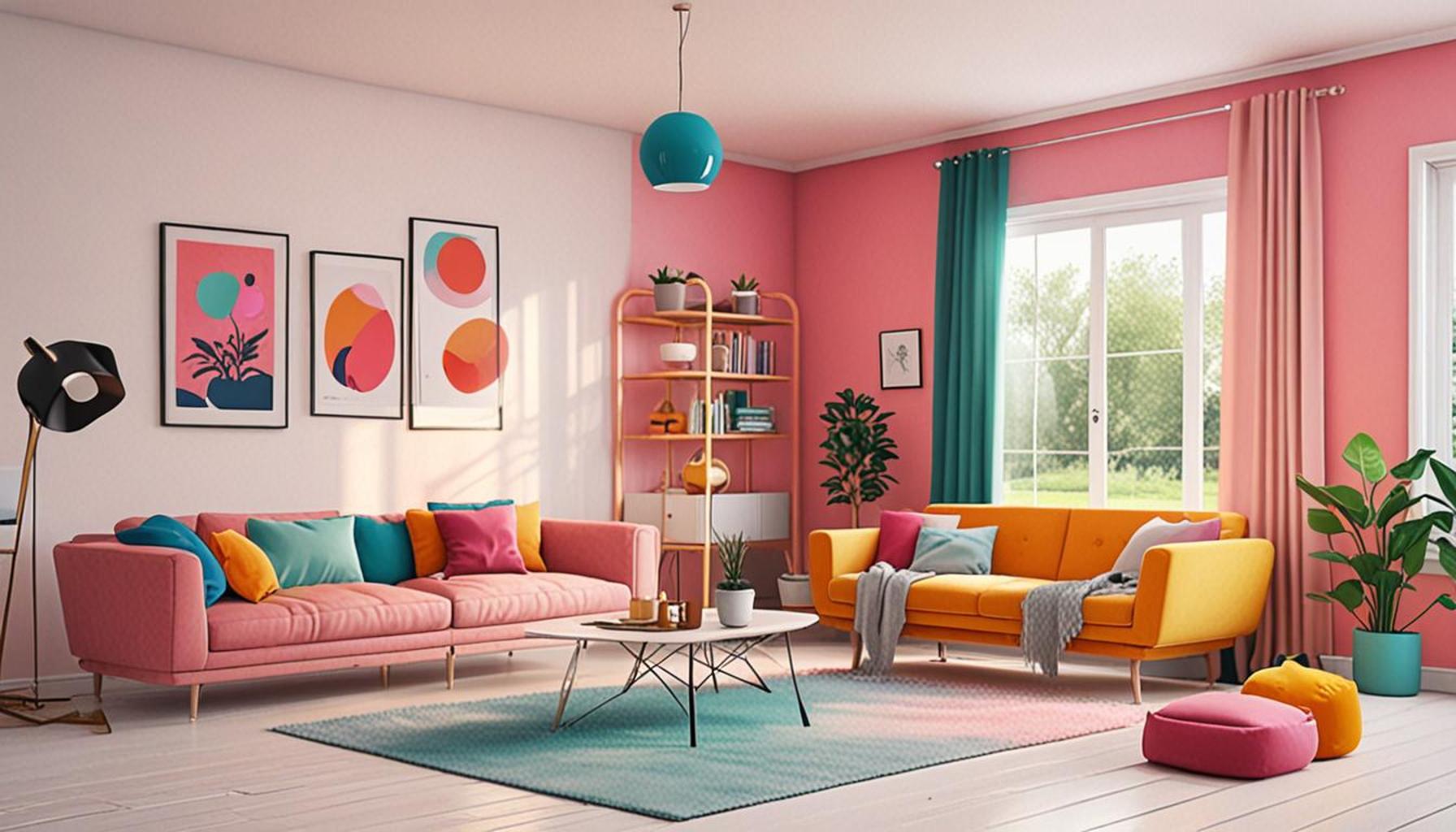
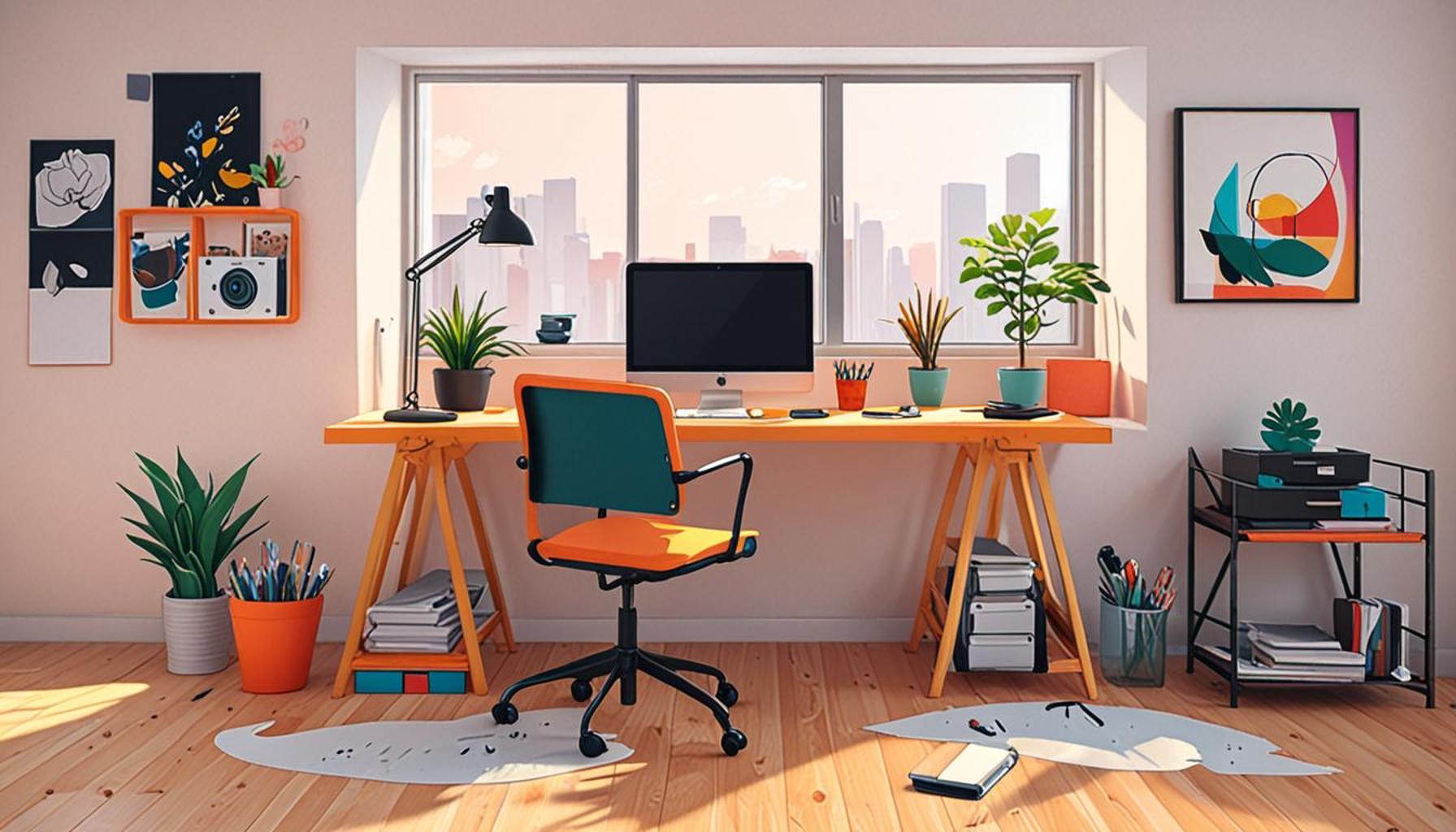
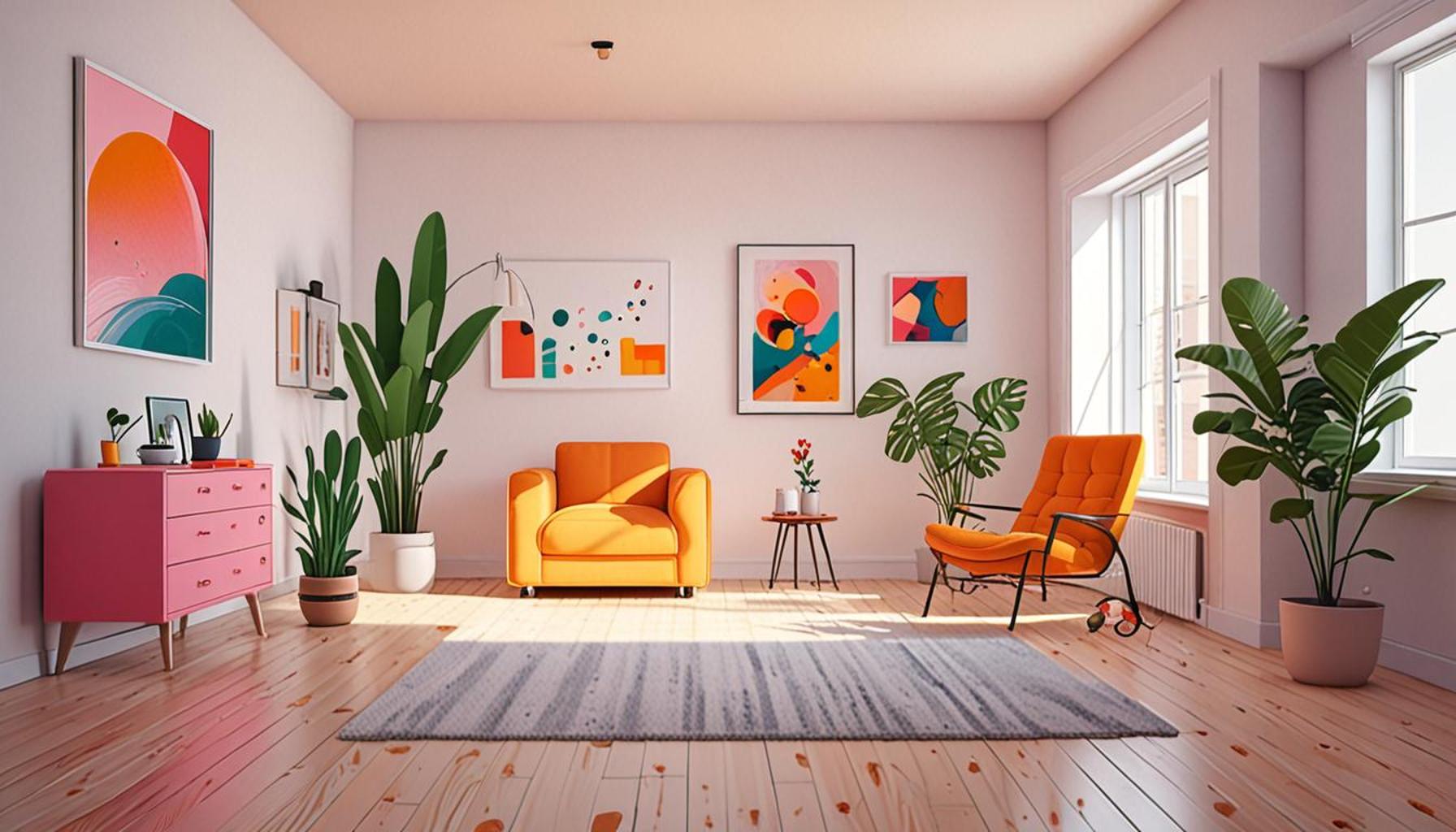
The Influence of Nigerian Culture on Minimalist and Functional Space Design
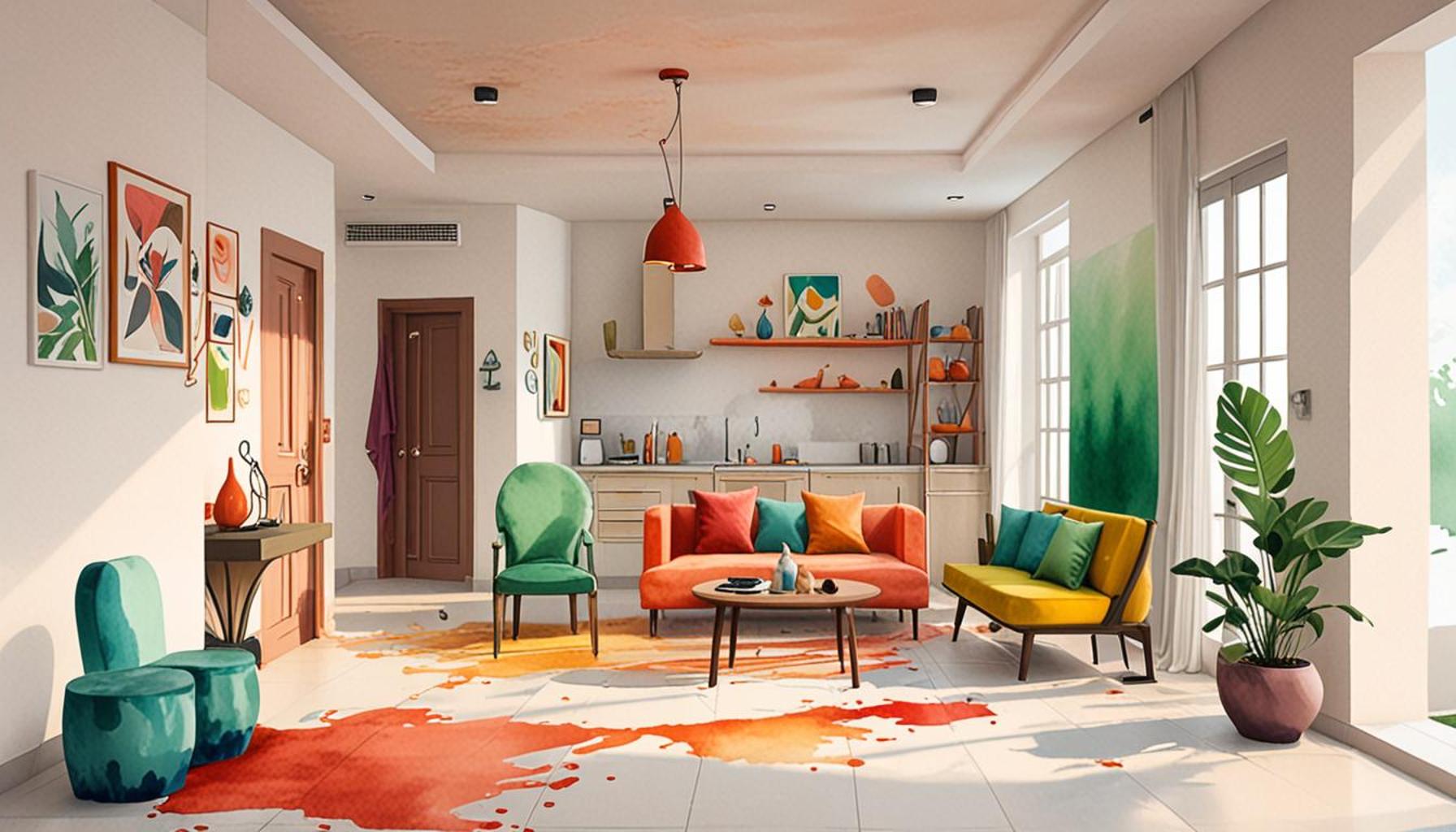
A Seamless Fusion of Tradition and Modernity
Nigerian culture, renowned for its rich tapestry of traditions, rituals, and artistry, plays a pivotal role in shaping contemporary design spaces, particularly in the domains of minimalist and functional space design. The fusion of traditional aesthetics with modern elements offers a unique chance to create living and working environments that are not only practical but also deeply reflective of Nigerian identity.
- Materials: The use of locally sourced resources is a significant aspect of design philosophy in Nigeria. Materials such as clay, often molded into earthenware pots, and durable wood, harvested from native trees, introduce both texture and authenticity to spaces. Textiles, like the highly esteemed Ankara, bring warmth through their vibrant fibers, making them ideal for fixtures and upholstery.
- Colors: The color palette in Nigerian design owes much to the country’s vivid festivals and artistic expressions. The bustling atmosphere of events like Durbar or the serene beauty of traditional rites reflects through bold hues and exciting contrasts. Designers often draw on these inspirations, infusing spaces with yellows, greens, and reds that evoke both energy and vitality.
- Patterns: Imbued with historical significance, traditional patterns derived from Nigerian fabrics, like Adire and Aso Oke, frequently serve as decorative elements. In modern interiors, these patterns might appear in accent walls, cushions, or art pieces, acting as a storytelling medium that honors ancestral legacies.
In minimalist design, the ethos is not about stripping away cultural essence but rather embracing it while amplifying functionality and elegance. Spaces infused with Nigerian cultural elements can successfully embody:
- Open layouts: The layout encourages social interactions and strengthens family bonds, reminiscent of communal living spaces prevalent in traditional Nigerian homes. Such designs facilitate gatherings, ensuring a seamless flow during social events.
- Natural lighting: By maximizing windows and using translucent materials, designers harness natural light to illuminate the beauty of both the interior and the surrounding environment. This approach not only enhances mood but also creates a sense of tranquility.
- Multi-functional furniture: Incorporating furniture that serves multiple purposes addresses the demands of contemporary urban lifestyles. For example, a beautifully crafted wooden bench may function as both seating and storage space, decreasing clutter while maintaining aesthetic appeal.
As we delve into the intricate relationship between Nigerian culture and minimalist design, we uncover how these elements generate a narrative that is both purposeful and aesthetically pleasing. The blend of tradition with functionality speaks volumes about the evolving nature of Nigerian identity, which remains rooted in its rich past while embracing modernity. Understanding this connection enhances our appreciation for design as a manifestation of shared cultural values, traditions, and aspirations.
CHECK OUT: Click here to explore more
Embracing Tradition in Modern Living
As minimalist and functional design continues to gain prominence across the globe, Nigeria stands at a fascinating crossroads where culture and modernity intersect. The intricacies of Nigerian culture, with its layered histories and regional diversities, serve as potent sources of inspiration, leading to spaces that resonate with authenticity while fulfilling modern living needs. To truly appreciate this influence, it is essential to explore how elements of Nigerian heritage are thoughtfully integrated into contemporary design.
The significance of storytelling through design cannot be overstated in Nigerian culture. Each community possesses distinctive narratives, reflected in their architecture and interior spaces. For instance, traditional homes often feature open terraces and communal areas, encouraging interaction and inclusivity. Minimalist designs echo these themes, promoting open layouts that symbolize the values of togetherness and community. By embracing such structures, contemporary designers create environments that facilitate social gatherings, mirroring the essence of traditional Nigerian living.
- Integration of Symbols: Incorporating meaningful symbols from various ethnic groups into space design creates depth. Take Yoruba carved woodwork, which may serve as decorative wall pieces or room dividers, blending artistry with functionality.
- Functional Aesthetics: In the quest for simplicity, functionality does not come at the expense of beauty. Designers utilize traditional artifacts—such as woven baskets or handcrafted pottery—ensuring they serve practical purposes while adding cultural flair to the minimalist ethos.
- Repurposing Heritage: The practice of reusing materials and designs from ancestral structures is gaining traction. Nigerian architects might source reclaimed wood or mud bricks reminiscent of indigenous homes, creating a sustainable bridge between past and present.
A blend of historical context and practical utility enhances the overall atmosphere of a living space. For example, the serene environments found in rural communities provide a model for creating tranquil urban retreats through the application of natural materials and soothing color palettes. Designers draw from Nigeria’s lush landscapes, opting for earthy tones and textures that resonate with the environment and foster a sense of peace within the home.
Moreover, the role of nature in Nigerian culture amplifies its significance in design. Biophilic principles, which advocate for a connection to nature, are effectively employed by incorporating indoor plants and maximizing access to sunlight through large windows. This approach not only elevates the aesthetic appeal of minimal spaces but also enhances residents’ well-being—fostering a sanctuary that nurtures both body and spirit.
In examining the influence of Nigerian culture on minimalist and functional design, it becomes evident that this fusion is more than just a trend; it embodies a lifestyle that respects tradition while accommodating contemporary needs. As designers and homeowners increasingly adopt this approach, they help cultivate spaces that reflect their roots, promoting an enriched narrative layered with cultural significance and practical elegance.
The Role of Nigerian Art and Craft in Minimalist Design
Nigerian culture is a rich tapestry woven through art and craft, which plays a significant role in enhancing minimalist and functional space design. Traditional Nigerian art, characterized by vibrant colors, intricate patterns, and symbolic meanings, melds seamlessly with minimalism. Designers incorporate handwoven textiles, beadwork, and ceramics that not only bear cultural significance but also serve functional purposes in minimalist setups. For instance, woven fabrics can be utilized as wall hangings or throw pillows, subtly introducing cultural elements without overwhelming the space.
Use of Natural Materials
The influence of Nigeria’s diverse natural resources directly translates into the choice of materials in design. Wood, clay, and metal are often favored, promoting sustainability while providing aesthetic appeal. Utilizing locally sourced materials not only supports the economy but also enhances the authenticity of a space. In minimalist designs, where the goal is to declutter, these natural elements add warmth and texture, drawing more attention to the simplicity of the surroundings.
Spatial Arrangement Reflecting Traditional Values
Furthermore, the organization of space in Nigerian households often reflects communal values. Open-plan designs encourage interaction and a sense of community, traits deeply embedded in Nigerian culture. This functional approach contrasts sharply with the rigid layouts often found in Western designs. A minimalist layout allows for flexibility and ease of movement while maintaining a strong cultural identity, making it an appealing choice for modern dwellers.
The Influence of Color and Light
Nigerians have a unique approach to color that can invigorate minimalist spaces. Bright, bold shades used in art and clothing can inspire a color palette that breathes life into a functional design. A thoughtfully applied accent wall or carefully positioned decorative pieces can complement a minimalist theme, ensuring the space is not only functional but also culturally resonant. Natural light further plays a key role, and Nigerian designs often emphasize large windows and open spaces to create a sense of connection to the outside world.
A New Wave of Designers
Emerging designers in Nigeria are creatively merging traditional aesthetics with modern trends in interior design. By employing minimalism to highlight Nigerian heritage, these creators are shaping the global perception of Nigerian design. Their work encourages an appreciation for functionality rooted in cultural significance, inspiring others to adopt similar principles in their spaces.
| Category | Key Features |
|---|---|
| Cultural Aesthetics | Integration of traditional Nigerian art and craft in design. |
| Sustainability | Use of local, natural materials to support eco-friendly design. |
By understanding these influences, designers and homeowners alike can create spaces that honor Nigerian culture while embracing the principles of minimalism and functionality, showcasing the profound impact that heritage can have on contemporary design.
CHECK OUT: Click here to explore more
Cultural Narratives Shaping Spatial Configurations
As minimalist and functional design continually evolves, the seamless integration of Nigerian culture into contemporary living spaces stands as a testament to the country’s vibrant heritage. A closer examination reveals how traditional craftsmanship and cultural narratives play a fundamental role in shaping spatial configurations, thereby enhancing modern interiors while celebrating the rich tapestry of Nigeria’s past.
Nigerian artisans are renowned for their meticulous attention to detail and use of locally sourced materials, resulting in designs that not only honor tradition but also provide functionality. The incorporation of locally sourced textiles, such as Aso Oke or Adire, showcases a vibrant color palette that can easily become visual focal points in minimalist spaces. These textiles, often used as soft furnishings or wall hangings, add layers of texture and warmth while remaining true to their cultural origins. The subtle interplay between tradition and modern aesthetics creates a unique sense of harmony within the living space.
- Spatial Storytelling: Every room in a home serves a purpose that often reflects the stories of the people inhabiting it. Drawing inspiration from traditional storytelling methods, modern designers utilize symbolic arrangements of furniture and decor to prompt conversations and memories, infusing a sense of history and belonging.
- Indigenous Patterns: The use of indigenous patterns from various ethnic groups is increasingly popular in decor. These vibrant motifs, whether seen in wall art or furniture design, offer a visual dialogue about heritage that amplifies the minimalist ethos by celebrating individuality without overwhelming the senses.
- Community-Centric Spaces: A core principle of Nigerian culture is the importance of community and family connections. This principle often reflects in the design of homes that prioritize multifunctional areas, creating spaces that can be adapted for both intimate family gatherings and larger communal events.
Furthermore, local craftsmanship is not solely confined to decor; it extends to the architectural elements of homes as well. Traditional methods, such as mud housing techniques like the cob process, are revaluated and integrated into modern structures, marrying efficiency with cultural significance. Such practices not only reduce the environmental impact of new constructions but also reinforce the narrative of sustainability and respect for natural resources that is integral to Nigerian society.
In the pursuit of functional space design, the astute incorporation of Nigerian art forms also plays a critical role. Sculptures, clay pots, and paintings inspired by local myths and folklore are used as statement pieces that provide character and depth to otherwise minimalist environments. The placement of these artworks invites reflection and appreciation, creating a dialogue between the past and current design aesthetic.
Moreover, the transformation of urban living spaces has sparked a dynamic conversation around the role of minimalism in Nigerian households. Authors and design thinkers are reconsidering how contemporary life can blend with the principles of traditional Nigerian living. For instance, the idea of ‘less is more’ aligns perfectly with the spirit of Yoruba philosophy, which emphasizes moderation and simplicity in lifestyle choices. This fusion not only honors the complexity of Nigerian identity but also positions minimalism as a functional design solution that resonates with people’s needs for space and clarity in bustling urban environments.
ADDITIONAL INSIGHTS: Expand your understanding here
Conclusion
In summary, the influence of Nigerian culture on minimalist and functional space design is a remarkable blend of tradition and modernity that resonates deeply within the context of contemporary living. As showcased through the meticulous craftsmanship of local artisans, the thoughtful incorporation of traditional textiles, and the significance of communal spaces, it becomes evident that these elements do more than enrich design aesthetics—they foster a sense of identity and belonging.
The integration of indigenous patterns and materials into modern settings not only celebrates Nigeria’s diverse heritage but also invites residents to partake in a dialogue between their past and present. As urban lifestyles evolve, this cultural influence is crucial, presenting solutions that are both visually appealing and functionally relevant for a fast-paced society. By embracing concepts such as moderation and simplicity inherent in traditional philosophies, Nigerian designers are redefining what it means to create functional spaces that reflect personal stories and collective histories.
Furthermore, the commitment to sustainability through the revival of traditional building techniques highlights a broader awareness of environmental responsibility, which is increasingly important in today’s architectural conversations. This relationship between Nigerian culture and modern minimalist design not only shapes the aesthetics of living environments but also emphasizes the cultural narratives that shape the way Nigerians view and interact with their spaces.
As the architectural landscape continues to evolve, the ongoing exploration of this fusion opens avenues for further innovation. Ultimately, the growing appreciation for the intersection of culture and design not only enhances interior spaces but also reinforces a collective narrative, inviting individuals to engage with the vibrant essence of Nigeria’s identity through the lens of functional and minimalist design.