Gamification in Education: The Use of Digital Games to Enhance Learning
Transforming Education through Gamification
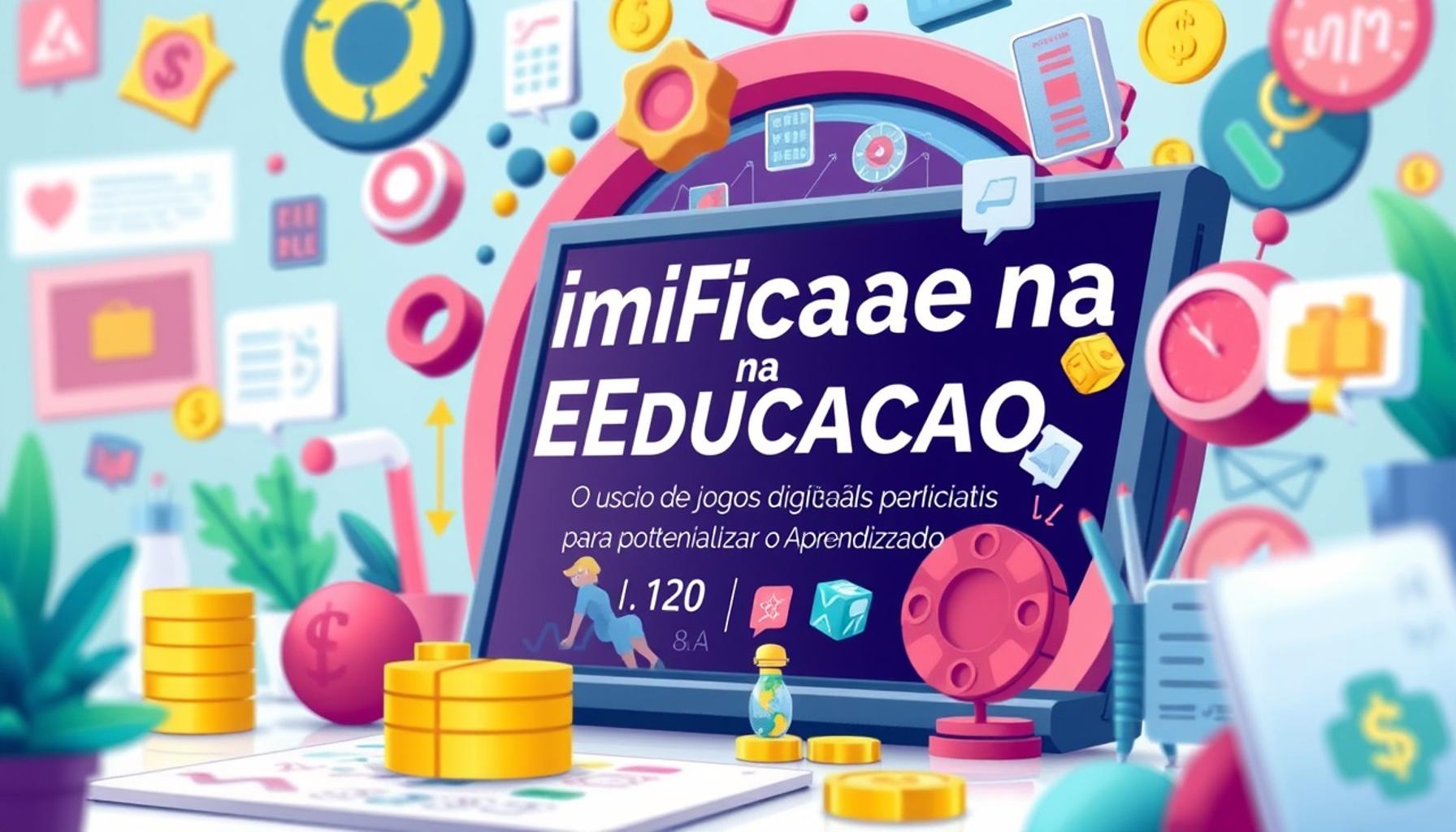
In recent years, digital games have made significant strides in educational environments, revolutionizing traditional teaching methods. The incorporation of gamification—the application of game design principles in non-game contexts—has allowed educators to craft learning experiences that are not only engaging but also effective in helping students grasp intricate concepts.
The main appeal of gamification lies in its ability to create a dynamic classroom atmosphere. Through game-like elements such as points, badges, and leaderboards, teachers can motivate students by rewarding their achievements. This approach yields multiple advantages:
- Increased engagement: Digital games captivate students’ attention, turning mundane lessons into exciting challenges. For example, instead of traditional lectures, teachers can assign a game-based activity where students navigate through a digital world to solve math problems, making learning a playful adventure.
- Immediate feedback: In a gamified environment, students receive instant responses to their input, which allows them to identify mistakes on the spot. This feature is particularly beneficial in subjects such as math or science, where quick adjustments can lead to better understanding and retention of information.
- Mastery learning: With gamification, students progress through tasks at their own pace, ensuring that they fully comprehend each concept before advancing. This tailored learning path can significantly enhance confidence and reduce the anxiety often associated with traditional testing.
To illustrate the effectiveness of gamification, consider popular platforms like Kahoot! and Quizizz. These tools enable teachers to design interactive quizzes that students can answer on their devices in real-time. As a result, the classroom atmosphere transforms into a lively competition, where teamwork and collaboration heighten the learning experience. For instance, a history teacher might use Kahoot! to create a quiz on significant events, turning the review session into an engaging game that encourages participation from all students.
Additionally, digital games such as Minecraft: Education Edition take educational experiences a step further. This innovative platform immerses students in a virtual world where they can build structures, solve problems, and collaborate on projects. Imagine students learning about ecosystems by constructing their own within the game, applying concepts from science class in a practical, hands-on manner. Such immersive experiences help students connect theoretical knowledge to real-world applications, making learning more relevant and impactful.
In conclusion, integrating gamification into education offers exciting opportunities to enhance student learning and engagement. By leveraging digital games, educators can create a more interactive and effective classroom environment. As we delve deeper into the practical applications of gamified learning, it is essential to recognize the potential benefits it holds for both students and teachers alike.
DISCOVER MORE: Click here to learn about today’s cybersecurity challenges
Understanding the Mechanics of Gamification
To fully appreciate the impact of gamification in education, it is essential to understand the mechanics that make it effective. Gamification leverages several psychological principles that resonate well with students, enhancing their motivation and enjoyment in the learning process. Below are key elements that contribute to the success of gamified learning environments:
- Goal Orientation: Setting clear goals and objectives is a critical component of gamification. When students know what they are working toward, whether it’s completing a level, earning a badge, or achieving a high score, they are more likely to stay focused and motivated. For instance, a teacher might establish weekly goals for reading, enabling students to track their progress and celebrate their accomplishments.
- Challenge and Achievement: Gamification introduces elements of challenge that encourage students to stretch their abilities. By providing tiered tasks that increase in difficulty, educators can ensure that students are continually challenged while also experiencing a sense of achievement upon completion. A math teacher could implement a series of increasingly difficult problem sets that mirror video game levels, making the learning process feel like a rewarding journey.
- Social Interaction: Digital games often have a social component, allowing students to collaborate, compete, and share their accomplishments with peers. This aspect not only fosters teamwork but also helps build a sense of community within the classroom. Platforms like Classcraft enable students to work together on quests and earn rewards collectively, reinforcing the importance of cooperation and communication.
Furthermore, gamification often integrates storytelling, which can enhance students’ emotional investment in their learning. By framing lessons within engaging narratives, teachers can capture students’ imaginations and inspire them to explore new ideas. For example, a science teacher could design an adventure game where students embody astronauts on a mission to discover new planets, exploring concepts of space travel and environmental science along the way.
As educators adopt these gamification strategies, it is crucial to consider the role of technology in facilitating these experiences. With the advancement of educational technology, gamified learning can be customized to meet diverse learning styles and needs. Various digital tools can provide personalized feedback, enabling teachers to identify areas where individual students may require additional support. This adaptability further enhances the learning experience, making it more inclusive and effective for all students.
In summary, gamification in education encompasses a range of strategies that harness game mechanics to engage students actively. By emphasizing goal orientation, challenge, social interaction, and storytelling, teachers can create an environment that not only makes learning enjoyable but also promotes deeper understanding. The next step is to explore specific case studies and examples of how these principles have been successfully implemented across different educational contexts.
DISCOVER MORE: Click here to dive deeper
The Benefits of Gamification in Learning
Gamification in education not only transforms the learning environment but also offers a myriad of benefits that enhance students’ educational experiences. These advantages can stimulate engagement, boost retention, and encourage positive attitudes toward learning, among other outcomes. Exploring these benefits can help educators understand how to effectively implement gamification strategies in their classrooms.
- Increased Engagement: One of the most significant benefits of gamification is the heightened engagement it fosters among students. When learning is intertwined with game-like elements such as points, badges, and leaderboards, students are more likely to actively participate. For instance, an English teacher could create a spelling challenge where students earn points for correctly spelling words and can compete against each other in a friendly manner. The competitive element enhances their motivation and keeps them focused on their tasks.
- Improved Retention: According to research, gamification can significantly improve knowledge retention. Interactive elements that require students to apply what they have learned can help solidify information in their memories. For example, using trivia games in a history class allows students to recall important dates and events in a fun format, making them more likely to remember the material long-term.
- Immediate Feedback: Digital games often provide immediate feedback, allowing students to understand their performance in real time. This instant gratification can help learners identify their strengths and areas for improvement, making it easier to adjust their strategies accordingly. A science teacher utilizing a program like Kahoot can quickly gauge students’ understanding of complex concepts and address misconceptions right away.
Moreover, gamification can promote a growth mindset among students. By incorporating elements that encourage persistence, such as retries on challenges or the ability to improve scores over time, educators can help students understand that learning is a process. An example might be a coding class where students iterate on their projects, tweaking and adjusting their code based on feedback, ultimately leading to improved coding skills and greater confidence in their abilities.
Another significant advantage of gamification in education is its ability to provide differentiated learning experiences. Students have varying learning styles and paces, and gamification allows for tailored approaches that can meet individual needs. For instance, a math game can have different levels of difficulty based on the learner’s familiarity with the subject, ensuring each student is adequately challenged. This adaptability promotes inclusivity, as all students can engage with the material on their own terms.
It’s also worth noting the potential of gamification to bridge academic content with essential life skills. Through game mechanics, students can develop critical thinking, time management, and problem-solving skills. A project-based learning environment where students engage in simulations or role-playing scenarios can allow them to practice decision-making and teamwork in a low-stakes setting, preparing them for real-world challenges. For example, a business studies class might simulate launching a startup, requiring students to collaborate, strategize, and reflect on their choices.
Incorporating gamification in education holds promise not only for enhancing academic performance but also for developing well-rounded individuals equipped with important skills. By leveraging engagement, retention, immediate feedback, and differentiated learning, educators can create enriching experiences that resonate with today’s learners. As we delve further into case studies and success stories, we can discover how various educational institutions have effectively integrated gamified approaches, allowing us to learn from their innovative practices.
DISCOVER MORE: Click here to find out how
Conclusion
In summary, gamification in education represents a powerful tool that redefines traditional learning paradigms. By seamlessly integrating game mechanics into the educational process, educators can foster an environment where students feel more engaged and motivated. The benefits we’ve explored—such as increased engagement, improved knowledge retention, immediate feedback, and differentiated learning—illustrate just how transformative this approach can be for diverse learners.
Moreover, gamification not only contributes to academic success but also equips students with essential life skills such as critical thinking, teamwork, and resilience. Practical implementations, like using interactive trivia games in a history class or collaborative projects in business studies, provide students with hands-on experiences that make learning relevant and enjoyable. As educators consider incorporating these innovative strategies, it is important to remember that the aim is to create a supportive and dynamic learning framework that adapts to the needs of individual students.
While challenges may arise in implementation, the potential rewards of gamification are substantial. Educators are encouraged to embrace this approach, learning from successes and refining their methods to cultivate an enriching learning environment. As we continue to observe and research the advancements in gamification, it is clear that such strategies will play a pivotal role in shaping the future of education, ensuring students are not only prepared academically but are also equipped to thrive in a rapidly changing world.

Linda Carter
Linda Carter is a writer and expert known for producing clear, engaging, and easy-to-understand content. With solid experience guiding people in achieving their goals, she shares valuable insights and practical guidance. Her mission is to support readers in making informed choices and achieving significant progress.