The Future of Work: How Automation and Artificial Intelligence Are Transforming the Job Market
The Changing Job Market Landscape
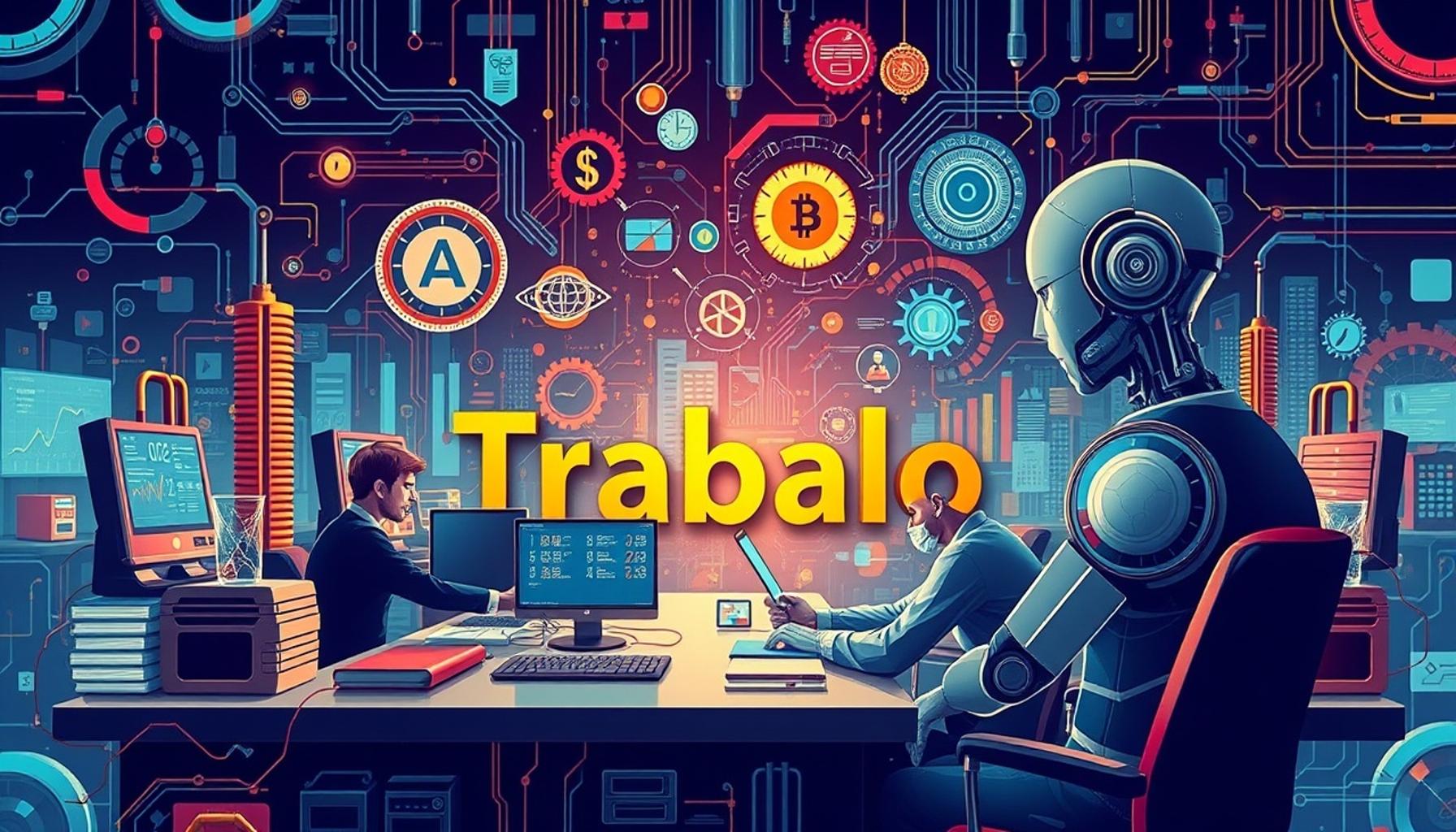
The influence of automation and artificial intelligence (AI) on the job market is profound and multifaceted. As industries adapt to these technologies, the very fabric of employment is shifting dramatically. This transformation presents both challenges and opportunities for the current and future workforce.
One of the most pressing concerns in this evolving landscape is the job displacement experienced across various sectors. For example, roles within manufacturing, which have traditionally formed the backbone of many American economies, are becoming increasingly automated through robotics. A factory worker may find their tasks of assembling products or performing quality checks being taken over by machines equipped with AI capabilities. Similarly, in customer service, chatbots and virtual assistants are now capable of handling inquiries and issues that once required a human touch, leading to a decline in entry-level positions in this field.
However, alongside these challenges, the rise of automation and AI creates new opportunities. Emerging fields like AI development, data analysis, and robotics engineering are witnessing an uptick in demand for skilled professionals. For instance, companies are actively seeking data analysts who can interpret complex datasets to inform strategic decisions, a task that has become increasingly valuable as businesses aim to leverage data to gain competitive advantages. The technology sector is also calling for programmers and developers who can design and improve AI systems—positions that promise rewarding careers for individuals prepared with the right skills.
Moreover, the changing job market necessitates a significant shift in skills required by workers. The emphasis on technical proficiencies and digital literacy is more prominent than ever. Basic computer skills, once considered adequate, have been supplanted by the need for advanced knowledge in areas such as coding, machine learning, and software development. For example, professionals in healthcare may now need to familiarize themselves with telemedicine platforms or AI-driven diagnostic tools to remain effective and relevant in their roles.
Understanding these changes is crucial for individuals and businesses as they adapt to an ever-evolving job environment. Continuous education and workforce development will help professionals maintain their employability. Employers too must invest in training programs to equip their current workforce with the necessary skills to thrive amid these transformations.
In summary, as automation and AI continue to redefine the job landscape in the United States, professionals must remain vigilant and proactive in acquiring new skills and exploring emerging roles. An informed approach to these changes will enable both individuals and organizations to not only survive but thrive in the future job market.
DIVE DEEPER: Click here to uncover more
Automation and AI: A Double-Edged Sword
The impact of automation and artificial intelligence on the job market can be viewed as a double-edged sword. While these technologies are streamlining operations, increasing productivity, and reducing labor costs, they also pose significant risks to job stability and worker displacement. Understanding the depth of this transformation necessitates a closer examination of the sectors most affected and the skills that are becoming paramount.
Industries such as transportation and retail exemplify the dramatic changes underway. For instance, self-driving vehicles are on the horizon, which could ultimately alter not just how goods are delivered but also the number of driving jobs available. Companies like Uber and Waymo are investing heavily in autonomous vehicle technology, and their success could result in thousands of truck and taxi drivers finding themselves out of work. Additionally, in retail, automated checkout systems and online shopping innovations are reducing the need for cashiers and floor staff, as consumers become accustomed to a more streamlined shopping experience.
Despite these disruptions, several industries are experiencing a surge in demand for skilled labor, contributing to the resilience of the job market overall. Here are some sectors where opportunities are blossoming:
- Healthcare: As AI tools grow in sophistication, the healthcare sector is employing these innovations to enhance diagnostics, patient monitoring, and personalized medicine. Careers in telehealth technology and patient data management are expanding rapidly.
- Information Technology: Roles focusing on cybersecurity, AI training, and machine learning engineering are increasingly necessary as organizations seek to protect their digital assets and leverage technology fully.
- Renewable Energy: With the shift towards sustainable practices, jobs in solar and wind energy sectors are growing. This field will demand skilled technicians who understand both the mechanics and the innovations in renewable technologies.
The rise of new technologies undoubtedly emphasizes the need for a well-educated workforce that is adaptable and prepared to evolve alongside these changes. To remain competitive, individuals must invest in ongoing skills development. The emergence of online learning platforms, such as Coursera or Udemy, provides accessible resources for workers looking to upgrade their skills in data analysis, digital marketing, or AI programming.
In light of these developments, it is increasingly clear that both workers and employers share a responsibility in navigating the future of work. Workers need to take proactive steps in pursuing education and training, while employers should consider implementing reskilling and upskilling initiatives for their existing workforce. Only through collaboration can we hope to forge a future that harnesses the advantages of automation and AI while mitigating the challenges they present.
DISCOVER MORE: Click here to dive deeper
Redefining Work: The Emergence of Hybrid Roles
The ongoing evolution of work due to automation and artificial intelligence is not only about job displacement but also about the redefinition of roles. A growing number of positions are blending traditional skill sets with technological expertise, leading to the creation of hybrid roles that provide exciting new opportunities for job seekers. These positions require a blend of industry knowledge and technological proficiency, ultimately making workers more versatile and valuable.
For example, in the financial services industry, the role of the financial analyst has evolved significantly. Thanks to AI-driven tools that can process massive volumes of data quickly, analysts are now expected not only to interpret data but also to understand and leverage AI insights for strategic decision-making. The ability to work alongside advanced algorithms allows analysts to focus on higher-level strategic thinking rather than repetitive tasks, thus enhancing their contributions to the organization.
Similarly, in the area of marketing, professionals are increasingly becoming data-driven marketers. With AI tools capable of analyzing consumer behavior and predicting trends, marketers now must possess a strong foundation in data analytics alongside their creative skills. This hybrid role empowers marketers to effectively tailor campaigns based on real-time insights, ultimately driving better results for their companies.
Education and training are crucial for individuals aiming to thrive in this new landscape. Traditional educational pathways are being supplemented by practical programs that emphasize coding, data analysis, and critical thinking. For instance, coding boot camps have emerged as an effective way for individuals to gain technical skills within a short timeframe, allowing them to pivot into tech-related roles regardless of their previous experience.
Organizations are also recognizing the importance of cross-training their employees to foster versatility. By encouraging workers to develop skills beyond their current roles, companies can create a more resilient workforce that’s prepared to adapt to technological changes. This investment in human capital not only benefits employees who gain new competencies but also strengthens the organization’s overall agility in a rapidly shifting market.
Furthermore, the rise of remote work due to technological advancements has broadened job opportunities across the United States. Employees are no longer limited to seeking work within their geographical region, allowing companies to tap into a diverse talent pool nationwide. Remote work arrangements are especially popular in the fields of tech, customer service, and digital marketing. Workers in rural areas, who may have previously faced limited job options, can now seek employment opportunities with companies based in metropolitan hubs.
The evolving job landscape also places a greater emphasis on soft skills, such as communication, collaboration, and problem-solving. As automated systems handle repetitive tasks, human interaction and emotional intelligence become increasingly valuable. Employers are prioritizing candidates who can navigate complex interpersonal dynamics and contribute to team cohesion in a hybrid work environment.
In summary, the transformation ushered in by automation and AI offers a unique opportunity to rethink work roles and responsibilities. By blending technology with traditional skills, fostering adaptability in the workforce, and investing in the development of soft skills, both individuals and organizations can thrive in the face of inevitable change. The future of work is not simply about replacement but about evolution and growth, where innovation continuously shapes the job market landscape.
DISCOVER MORE: Click here for details
Looking Ahead: Embracing Change in the Job Market
As we stand on the brink of a new era, it is clear that the future of work will be profoundly shaped by automation and artificial intelligence. These technologies are not solely responsible for replacing traditional roles; rather, they are transforming the entire landscape of employment. By redefining roles, creating hybrid positions, and emphasizing the importance of adaptable skill sets, we are witnessing a significant shift towards a more versatile workforce capable of navigating this technological frontier.
Furthermore, as remote work continues to grow in popularity, the job market is becoming increasingly accessible. Individuals, regardless of their geographical location, can now explore numerous opportunities that were previously beyond their reach. This democratization of job access highlights the importance of continuous learning and skill enhancement, which are vital for staying relevant in an ever-evolving work environment.
In addition to technical skills, soft skills such as communication, teamwork, and problem-solving are taking on greater significance. As its role expands, automation and AI will require human employees to focus on what machines cannot replicate: creativity, empathy, and interpersonal connections. This shift opens a vast potential for enhancing workplace culture and employee satisfaction.
Ultimately, while the challenges posed by automation and AI may seem daunting, they also present exciting opportunities for growth and innovation. By proactively embracing these changes, investing in education and training, and fostering a culture of adaptability, we can shape a future where humans and technology work in harmony. Together, we can transform the job market into a dynamic and inclusive environment that benefits all.

Linda Carter
Linda Carter is a writer and expert known for producing clear, engaging, and easy-to-understand content. With solid experience guiding people in achieving their goals, she shares valuable insights and practical guidance. Her mission is to support readers in making informed choices and achieving significant progress.