The Influence of Virtual Reality in Education: Transforming Learning in Immersive Environments
Transforming Educational Experiences
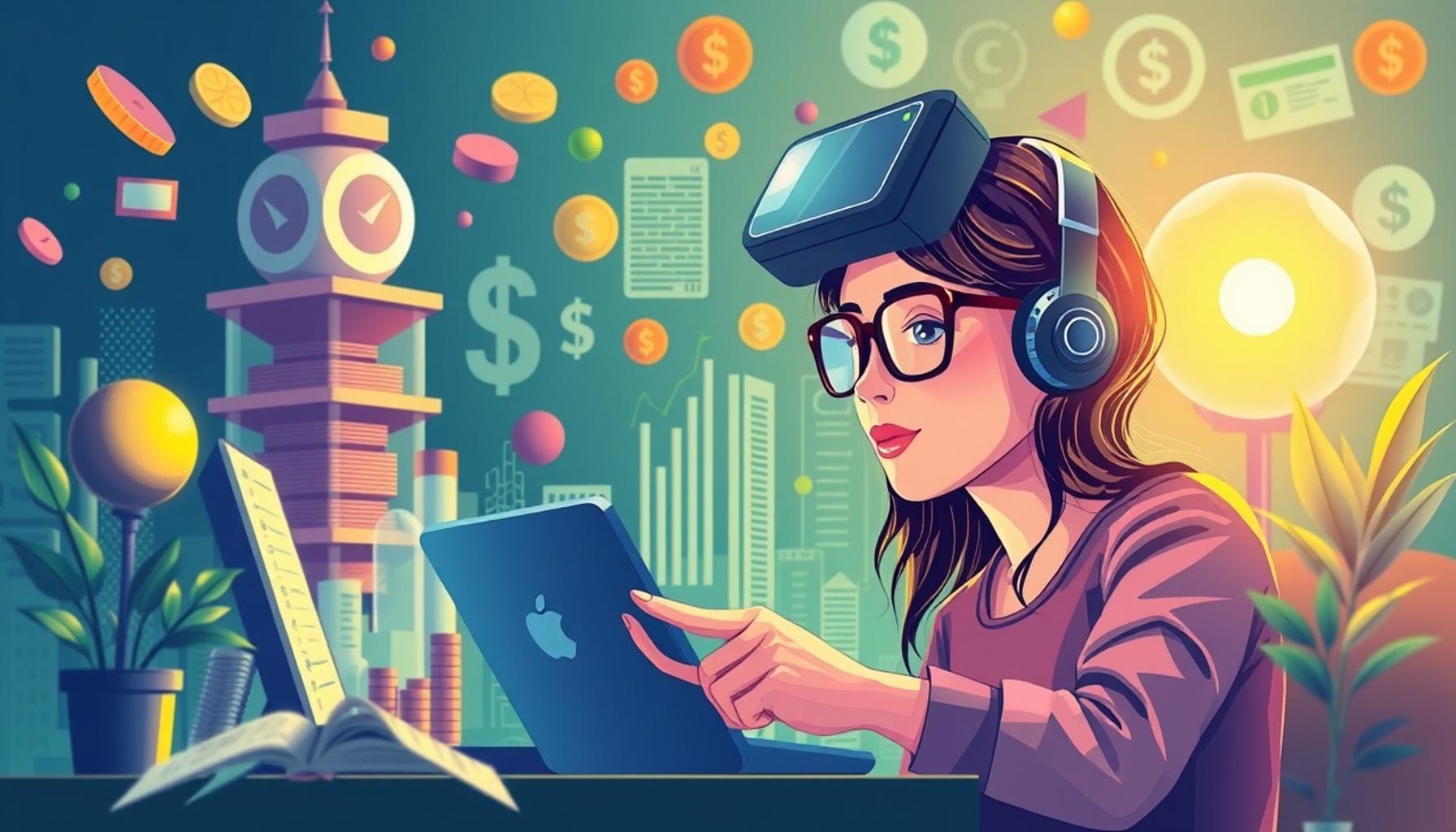
Virtual reality (VR) is reshaping the traditional education landscape by providing a dynamic and immersive experience that allows students to interact with content in ways that were once unimaginable. The ability to engage with complex concepts visually and kinesthetically enhances cognitive retention and understanding. Furthermore, this innovative approach offers unique opportunities to cater to diverse learning styles, ensuring that every student can find pathways that resonate with their individual needs.
One of the key benefits of incorporating VR technology into the classroom is enhanced engagement. With VR, students can enter a digital world where they can explore new concepts directly. For instance, in a biology class, students can embark on a virtual journey through the human body, observing the interaction of cells and organs in real time. This level of interactivity makes learning not just informative but also thrilling, motivating students to delve deeper into their studies.
Another significant advantage is the opportunity for real-life simulations. Consider a physics class where students use VR to practice experiments that may be too dangerous, expensive, or logistically complicated in real life. For example, they could conduct a simulated chemical reaction without risk of injury or accidents, equipping them with hands-on experience and the ability to understand theoretical concepts without the constraints of traditional lab settings.
Inclusive learning also becomes a reality through VR technology. Students with disabilities can benefit tremendously when lessons incorporate virtual experiences that accommodate their unique requirements. For instance, a student with mobility challenges might experience a virtual field trip to a museum, interacting with exhibits they might not be able to visit physically. This not only fosters an inclusive environment but also enriches the educational experience for all learners.
Many schools and universities across the United States are actively embracing these advantages. Institutions are implementing VR in various subjects, such as integrating it into science lessons to simulate complex experiments or employing it in history classes to virtually reenact landmark events, like the signing of the Declaration of Independence. These applications not only deepen understanding but also stimulate curiosity, making students feel like active participants in learning, rather than passive recipients of information.
As we continue to explore this evolving technology, it is clear that VR is not just a passing trend in education. It is a crucial tool that will play a pivotal role in shaping the future of learning, offering pathways that make education engaging, accessible, and truly transformative. The future holds exciting possibilities as VR becomes an integral part of educational methodologies, promising a generation of learners who are better prepared to thrive in a rapidly changing world.
DISCOVER MORE: Click here to learn about the future of work
Engagement and Interaction in Learning
At the heart of virtual reality’s impact on education is its ability to foster engagement and interaction. Traditional classrooms often struggle to capture the attention of students, particularly in subjects that are perceived as challenging or boring. However, VR changes the narrative by creating immersive environments where students are not just observers, but active participants in their learning journeys. This interactivity is crucial for modern learners, who benefit from a hands-on approach that appeals to their innate curiosity.
Consider a typical history lesson taught through VR. Instead of merely reading a textbook description of ancient civilizations, students can be transported to a virtual model of the Colosseum in Rome or the pyramids of Egypt. They can walk through these historical landmarks, examine artifacts, and even witness significant events unfold in real time. Such experiences enhance retention and comprehension, as students create vivid mental images that stick with them far longer than words on a page.
Moreover, the potential of VR extends beyond individual experiences. Group activities within virtual worlds can promote collaboration among students. For example, during a VR science fair project, students can collaborate in a simulated lab, conducting experiments together and sharing results in real-time. The shared experience not only encourages teamwork but also enables peer learning, where students can learn from each other while navigating complex concepts. With virtual tools fostering communication and collaboration, learners are better equipped to understand and appreciate diverse perspectives.
The versatility of VR also makes it an ideal enhancer of problem-solving skills. Educators can design scenarios that challenge students to think critically and creatively. For instance, in a math class, students might tackle real-world challenges by working to create a sustainable city in a virtual environment. They would need to balance budgets, allocate resources, and analyze data – all skills that are crucial in today’s job market.
Schools across the United States have already begun to implement VR solutions to amplify learning in significant ways. Here are some practical applications:
- Virtual Field Trips: Classrooms can explore the Great Barrier Reef or the surface of Mars, granting access to environments that would be otherwise unreachable.
- Language Learning: Students can engage in conversational practice by entering virtual scenarios where they converse with native speakers in a relatable context.
- Physical Education: VR can simulate sports practices or training, allowing students to experience diverse physical activities in a safe environment.
As educators begin to harness the power of VR, they pave the way for a more dynamic and inclusive educational experience. The technology is not simply about entertainment; it provides meaningful opportunities for deeper understanding and skill development that traditional methods often lack. As we delve into the transformative potential of virtual reality, it is evident that we are only scratching the surface of what is possible in the educational realm.
DISCOVER MORE: Click here to dive deeper
Enhancing Accessibility and Differentiated Learning
One of the most profound influences of virtual reality (VR) in education is its potential to enhance accessibility and promote differentiated learning strategies. In conventional classroom settings, teachers often face challenges in addressing the varying learning styles and needs of each student. However, VR provides a unique platform that can tailor educational experiences to individual learners, ensuring that no student is left behind.
For students with disabilities, VR can create customized environments that cater to their unique needs. Consider a student with autism who may struggle with social interactions; a VR program can simulate social scenarios, providing a safe space for practice and growth. This immersive tool can help improve communication skills, social awareness, and comfort in challenging situations, ultimately leading to a more confident learner. Research indicates that the use of VR technology has shown promising results in enhancing social skills and recognizing facial expressions, thus fostering personal development.
Additionally, VR can effectively assist students who might struggle with mobility issues. For instance, a student who relies on a wheelchair might miss out on physical education activities that involve extensive movement. Through VR, that student can participate in simulations of various sports or adventure activities—such as rock climbing or surfing—while remaining in a supportive environment. Such experiences not only allow for physical engagement but also encourage emotional well-being through participation and teamwork.
Personalized Learning Paths
Virtual reality also plays a vital role in creating personalized learning paths. By offering interactive and engaging content, students can learn at their own pace. For instance, a student struggling with a particular concept in science may find it challenging to follow along with traditional lesson plans. VR can provide alternative pathways for understanding complex theories through experiments, enabling learners to revisit concepts until they achieve mastery. This tailored approach boosts confidence and promotes a sense of ownership over one’s educational journey.
Teachers can create customized modules within VR platforms that align with students’ interests, bridging the gap between curriculum requirements and individual passions. For example, if a student has a keen interest in marine biology, a VR program could include interactive lessons about ecosystems, allowing the student to explore coral reefs while learning about biodiversity. This level of engagement fosters a sense of relevance in education, motivating students to take charge of their own learning.
Global Classroom Collaborations
Another remarkable aspect of VR is its ability to facilitate global collaborations, transforming classrooms into worldwide learning hubs. Students can connect with peers from across the globe, embarking on joint projects or discussions. For example, imagine a group of American students teaming up with their counterparts in Japan to explore environmental issues through a shared VR platform. This not only nurtures cultural understanding but also boosts critical thinking as learners compare different perspectives and solutions to common challenges.
Such international collaboration enhances the global citizenship competencies of the learners, preparing them for active participation in an interconnected world. They learn the importance of teamwork and communication, transcending geographical barriers to gain insights from diverse experiences and viewpoints.
As the educational landscape continues to evolve, the integration of VR technology presents endless possibilities. By focusing on **enhancing accessibility**, providing **personalized learning paths**, and promoting **global collaborations**, we are witnessing a shift in how students engage with knowledge, skills, and the world around them.
EXPLORE MORE: Click here to learn how AI is reshaping data privacy
Conclusion
In summary, the incorporation of virtual reality (VR) in education is revolutionizing the way we approach teaching and learning. By offering immersive experiences that cater to diverse learning needs, VR not only enhances educational accessibility but also supports differentiated learning approaches that empower each student. The ability to create tailored environments ensures that learners of all abilities can engage meaningfully with content, practice vital skills, and feel included in the learning process.
Moreover, VR facilitates the creation of personalized learning paths, granting students the autonomy to explore subjects at their own pace and according to their interests. This customizability bridges the gap between standardized curriculum and individual passions, making educational content more relevant and engaging. The transformation extends beyond individualization to global collaborations, fostering connections among students worldwide and enriching their educational experiences through the sharing of diverse perspectives.
As we look to the future, embracing VR as an integral part of education means preparing students for a more connected and interactive world. The potential of this technology goes far beyond traditional methodologies, encouraging innovative thinking and collaboration. As educators, it is our responsibility to harness the full potential of virtual reality to create an enriching learning environment that nurtures confident, capable, and globally-minded individuals. The journey of transforming education through VR has just begun, and the opportunities it presents are boundless.

Linda Carter
Linda Carter is a writer and expert known for producing clear, engaging, and easy-to-understand content. With solid experience guiding people in achieving their goals, she shares valuable insights and practical guidance. Her mission is to support readers in making informed choices and achieving significant progress.