The Rise of NFTs and Their Impact on Intellectual Property in Digital Culture
Understanding Non-Fungible Tokens (NFTs)
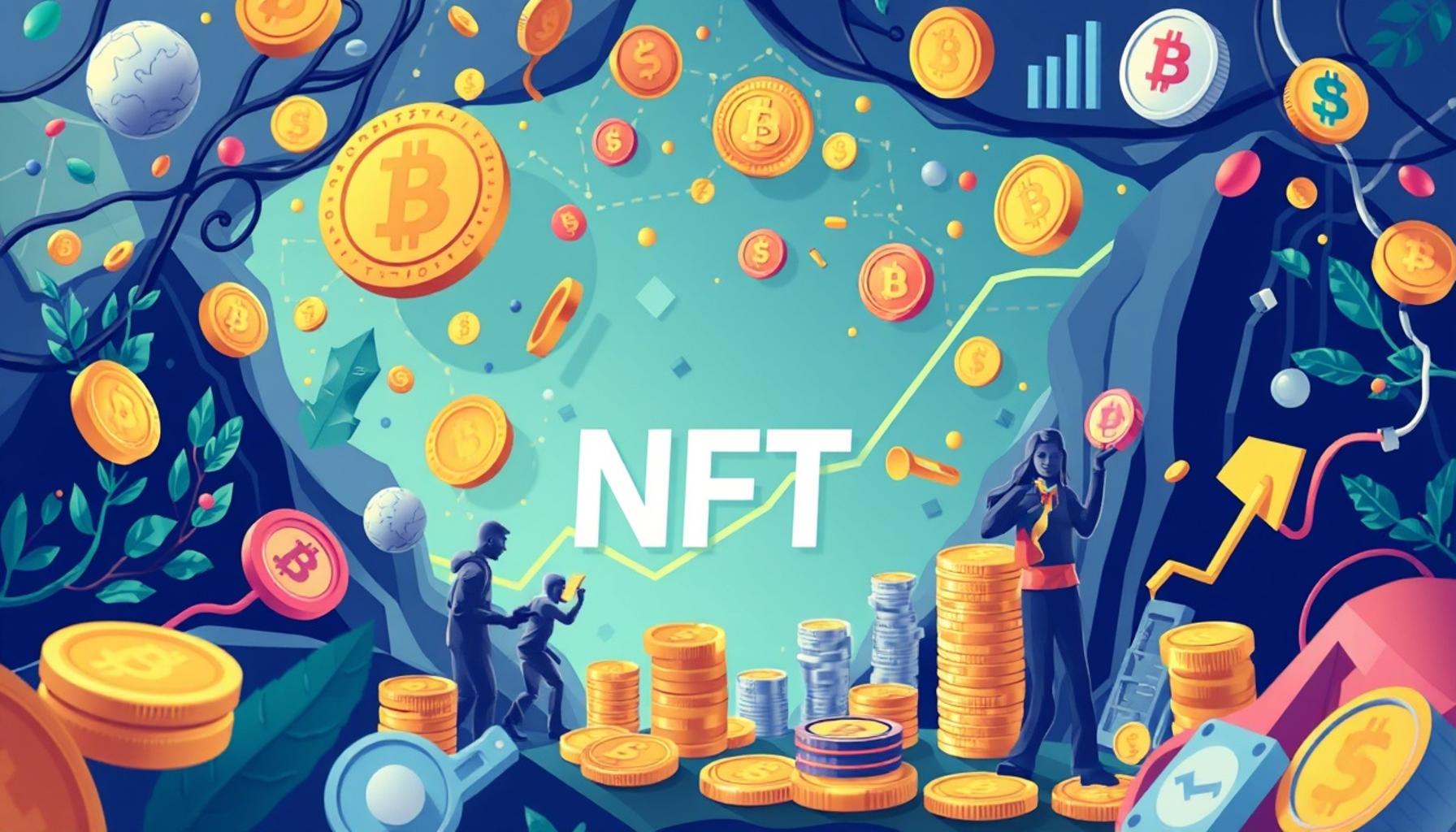
In recent years, the digital landscape has undergone a significant transformation largely fueled by the advent of Non-Fungible Tokens (NFTs). These unique digital assets have revolutionized how we create, own, and trade art, music, and various other forms of content. With their growing popularity, it becomes increasingly important to grasp a few foundational concepts about NFTs and their implications.
Key Concepts of NFTs
The first key concept surrounding NFTs is their uniqueness. Unlike cryptocurrencies like Bitcoin or Ethereum, which can be exchanged on a one-to-one basis, each NFT is one-of-a-kind, representing ownership of a specific item, digital artwork, or collectible. For example, an NFT representing a digital painting may have unique properties or metadata that sets it apart from other digital works, making it a distinct asset.
Secondly, NFTs are built on blockchain technology, the same technology underpinning cryptocurrencies. Blockchain offers a decentralized and secure way to store ownership records, ensuring that each transaction can be traced back to its origin. This transparency mitigates the risk of fraud and empowers buyers by providing verifiable proof of authenticity.
Finally, NFTs enable digital ownership in a manner that differs from traditional sales. Creators can retain rights over their work, allowing them to monetize it effectively. For instance, an artist can sell an NFT representing their work while still keeping the copyright, enabling them to earn royalties from future sales of the NFT, creating a sustainable income stream.
The Implications of NFTs
The rise of NFTs poses profound implications for intellectual property (IP) in digital culture. One significant benefit is the creation of new revenue streams for artists and creators. By connecting directly with audiences, artists can sell their work without intermediaries, and with smart contracts, they can receive a percentage of every future transaction on the secondary market.
However, this innovative landscape does not come without its challenges. Copyright challenges are prevalent as creators must navigate existing IP laws in the context of digital ownership. For example, if someone buys an NFT, they may assume they own the image entirely, but this could lead to misunderstandings regarding rights associated with the digital asset.
Additionally, the growth of the NFT market has been staggering, with some pieces selling for millions of dollars. The market growth seen in recent years reflects an increasing acceptance of NFTs within mainstream culture, as high-profile artists and celebrities—such as Beeple and Grimes—have generated significant sales through their NFT projects.
This article will delve deeper into how NFTs are reshaping the concepts of ownership and copyright in our increasingly digital world. We aim to explore the possibilities and challenges presented by this burgeoning field, offering valuable insights for artists, collectors, and content creators alike.
DISCOVER MORE: Click here to learn about the future of education
Navigating the NFT Landscape: Opportunities and Challenges
As Non-Fungible Tokens (NFTs) gain traction, they are introducing not only exciting opportunities for creators but also important challenges for the understanding of intellectual property (IP) rights. To fully grasp their implications, it is essential to examine both the benefits and the potential pitfalls that NFTs present to artists, collectors, and the creative industries.
Opportunities Created by NFTs
One of the most enticing aspects of NFTs is the way they revolutionize the relationship between artists and their audience. Traditionally, creators often relied on galleries, record labels, or publishing houses to reach consumers, which could lead to limited profits and a loss of control over their work. NFTs disrupt this model by empowering artists to:
- Directly sell their creations: Artists can mint their work as NFTs and sell them directly to consumers, cultivating a personal connection.
- Retain royalties: Through smart contracts, creators can receive automatic royalties from secondary market sales, ensuring they benefit every time their work is sold in the future.
- Access a global market: The internet facilitates the sale of NFTs across borders, allowing artists from any location to reach a worldwide audience.
These opportunities drive a growing interest among creators, who see NFTs as a way to redefine their careers. Moreover, successful NFT launches often garner attention in mainstream media, drawing in prospective buyers who want to invest in cultural moments. For instance, when digital artist Beeple sold an NFT for $69 million at a Christie’s auction, it not only validated the NFT space but also underscored the potential of digital art as an investment.
Challenges in Intellectual Property Rights
Despite the appealing features of NFTs, the rise of this technology raises important intellectual property challenges. Key issues include:
- Misunderstandings of ownership: Buyers may assume that purchasing an NFT grants them comprehensive rights to the associated digital asset. However, without clarity on copyright terms, this can lead to disputes over usage rights and reproductions.
- Possible infringement violations: As creators mint content that includes samples or derivative work, there is a risk of inadvertently infringing on existing copyrights, resulting in legal complications.
- Regulatory ambiguities: The current legal framework for digital assets and intellectual property is still evolving. This can create uncertainty for both creators and collectors regarding how their rights will be protected or enforced.
As the NFT market expands, addressing these challenges will be essential for fostering a healthy ecosystem where artists can thrive without putting their work at risk. This means that both creators and buyers must develop a better understanding of the legalities surrounding NFTs and engage in open conversations about ownership and rights.
In the following sections, we will explore these dynamics further, offering insights into how the digital culture surrounding NFTs can evolve responsibly while celebrating creativity and innovation.
EXPLORE MORE: Click here to discover the impact of social media
The Intersection of NFTs and Community Engagement
As NFTs reshape the landscape of digital art and ownership, they are also fostering new forms of community engagement that shift the traditional paradigms of how creators and audiences interact. This evolving relationship has the potential to create a richer, more immersive cultural experience for fans and collectors alike.
Building Community through Collectibles
The success of NFTs is not solely dependent on individual transactions; it also hinges on the cultivation of communities. For example, artists and brands are now using NFTs as a means to foster connection and loyalty among their supporters. A prime example of this is the rise of fan tokens within NFT frameworks. These tokens can give holders unique voting rights, exclusive content, or special access to events, enhancing the experience of ownership.
This community-oriented approach empowers fans, making them integral participants in the creative process. By allowing fans to fuel a project through their investment, it creates a sense of ownership and belonging, which can enhance the overall value of an NFT. When fans feel connected to a creator’s journey, they are more likely to support future endeavors, leading to a more vibrant and sustainable ecosystem.
The Role of Smart Contracts in IP Management
Another key aspect of NFTs is the role of smart contracts in intellectual property management. These self-executing contracts are embedded within the blockchain, and they automatically enforce the conditions set by the creator. For instance, an artist can specify the terms for resale royalties directly in the contract when minting their NFT. This not only streamlines the sales process but also ensures that creators receive fair compensation for their work in the long run.
Smart contracts can define various ownership rights beyond just resale, allowing creators to set limitations on how their work is used. For example, an artist could stipulate that their NFT cannot be used for commercial purposes without additional licensing fees, providing a layer of protection for their intellectual property while still enabling creativity and collaboration.
The Risk of Market Saturation and Devaluation
While the NFT market holds significant opportunities for artists and collectors, there are also inherent risks, such as market saturation and potential devaluation of digital assets. As more creators enter the NFT space, a flood of offerings may lead to diminishing value, making it challenging for individual pieces to stand out. This highlights the necessity for artists to establish their unique brand and vision to differentiate themselves in a competitive marketplace.
Moreover, as the technology behind NFTs continues to evolve, there are concerns about the environmental impact of cryptocurrency mining associated with many NFT platforms. Artists who are environmentally conscious may seek eco-friendly alternatives, prompting platforms to innovate and adopt sustainable practices.
In summary, while NFTs offer promising new avenues for engagement and revenue generation, both creators and collectors must navigate the complexities of community involvement and intellectual property rights. Understanding the implications of these digital assets can help build a responsible framework where creativity can flourish alongside innovation and community connection.
DISCOVER MORE: Click here for insights on digital education and privacy awareness
Conclusion
The rise of NFTs represents a transformative moment in digital culture, impacting not only how art and creativity are valued but also how intellectual property is managed. As we have explored, NFTs foster enhanced community engagement, enabling fans to become active participants in a creator’s journey. This shift is exemplified by the emergence of fan tokens and the unique experiences they offer, creating a sense of ownership and loyalty that strengthens the bond between artists and their supporters.
Add to this the innovative role of smart contracts, which streamline transactions and safeguard creators’ rights, and it’s clear that NFTs are providing tools for more effective intellectual property management. By allowing creators to set terms and conditions for resale and usage, NFTs hold the potential to redefine traditional concepts of ownership and compensation in the digital age.
However, as the marketplace grows increasingly crowded, it is vital for artists to carve out their unique identities to prevent market saturation and potential devaluation of their work. Moreover, the environmental concerns associated with cryptocurrency must be addressed, encouraging the development of sustainable practices within the NFT ecosystem.
Ultimately, the journey of NFTs is just beginning, and it offers both opportunities and challenges. As creators, collectors, and platforms continue to navigate this evolving landscape, understanding the balance between innovation, community engagement, and intellectual property rights will be crucial. Embracing this new paradigm can lead to a more dynamic, equitable, and environmentally responsible future for digital culture.

Linda Carter
Linda Carter is a writer and expert known for producing clear, engaging, and easy-to-understand content. With solid experience guiding people in achieving their goals, she shares valuable insights and practical guidance. Her mission is to support readers in making informed choices and achieving significant progress.